
Common Persimmon
Also known as: Common Persimmon, American Persimmon, Possumwood, Date Plum
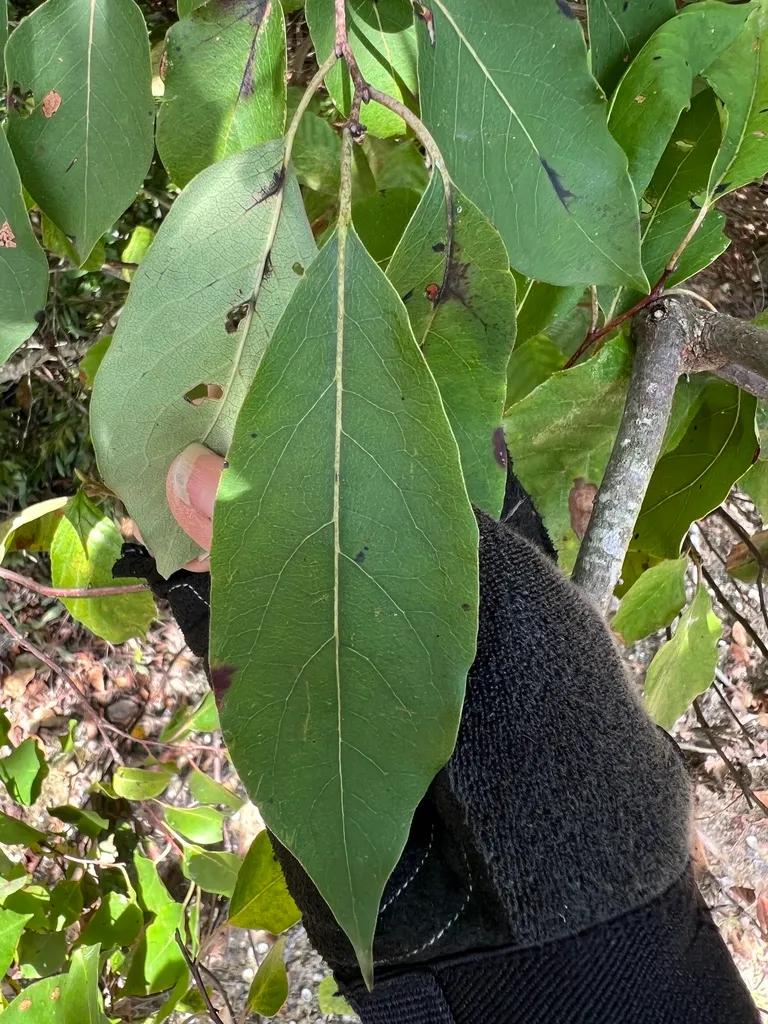
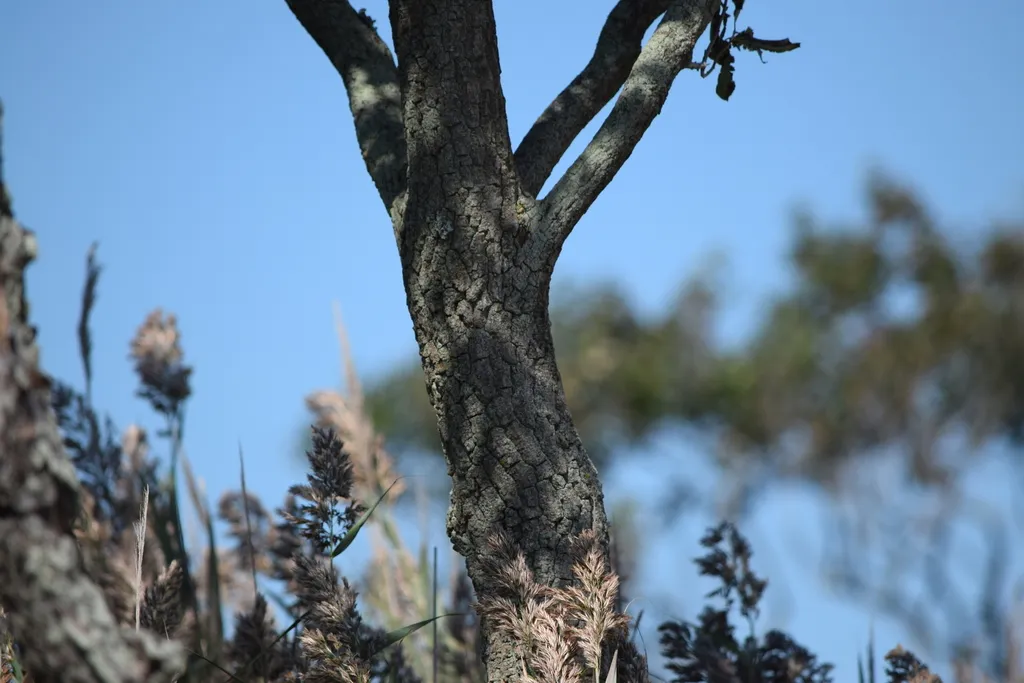
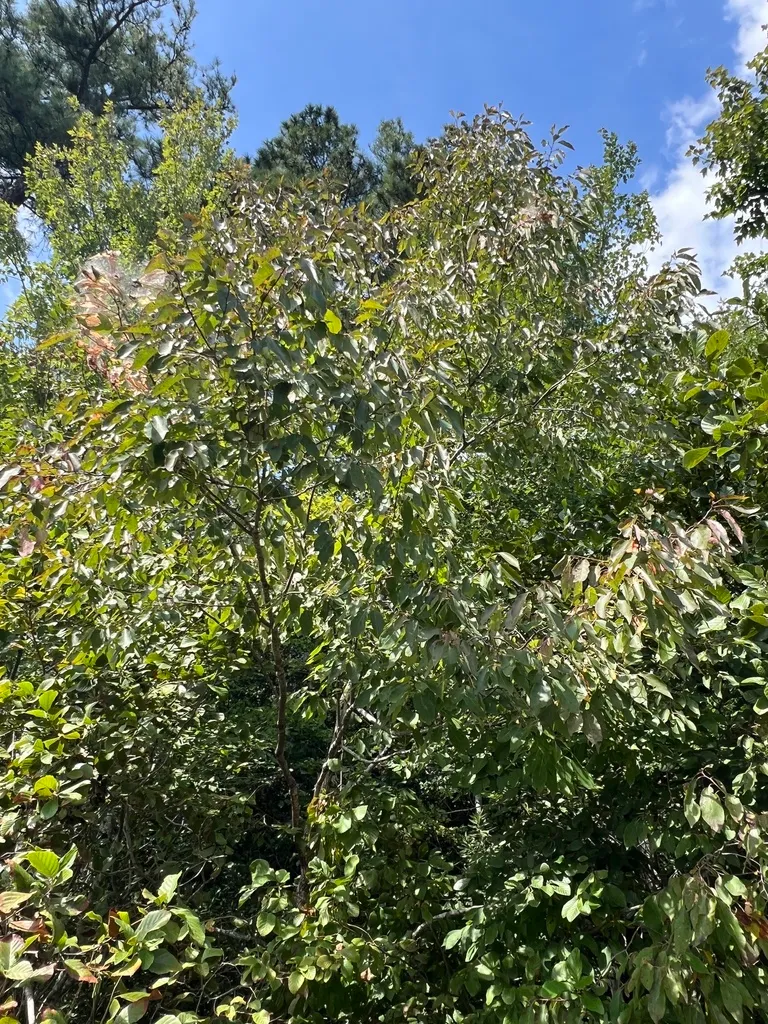
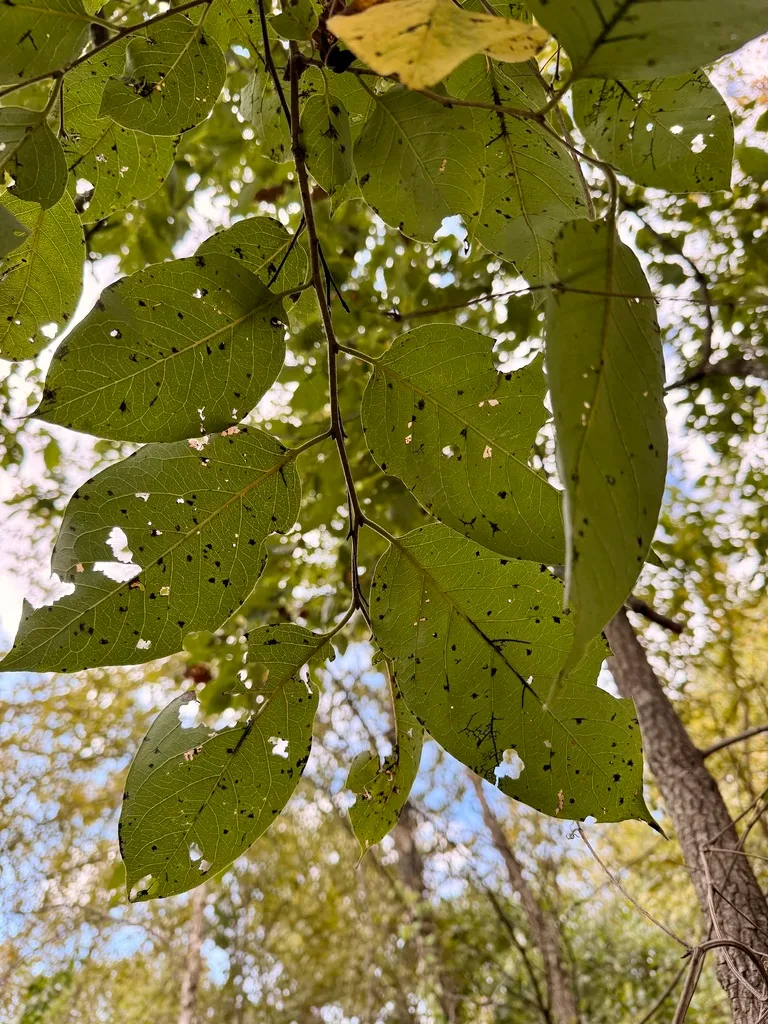
Diospyros virginiana is a medium-sized deciduous tree, typically reaching 10–20 m in height. It has oblong to ovate leaves that turn striking shades of yellow, orange, or red in autumn. The flowers are inconspicuous, bell-shaped, and greenish-white, appearing in late spring. The edible fruits are orange to purplish, round, and about 2–5 cm in diameter, ripening in late autumn and often persisting after leaf fall. Its bark is dark and deeply fissured, adding winter interest.
Scientific classification
- Species
- Common Persimmon (Diospyros virginiana)
- Genus
- Diospyros
- Family
- Ebenaceae
- Order
- Ericales
- Class
- Magnoliopsida
- Phylum
- Magnoliophyta
- Non-toxic. The fruit is edible, but unripe fruits contain tannins that can be astringent and cause mouth irritation.
- Toxicity
- Tree · Fruit Edible
- Plant type
- 10 - 20 metres
- Height
- 8 - 12 metres
- Spread
- Deciduous
- Foliage
- Upright · Spreading
- Habit
- Spring · Summer · Autumn
- Season of interest
- Full sun
- Sunlight
- Information to be completed
- Ideal temperature









Common Persimmon pictures
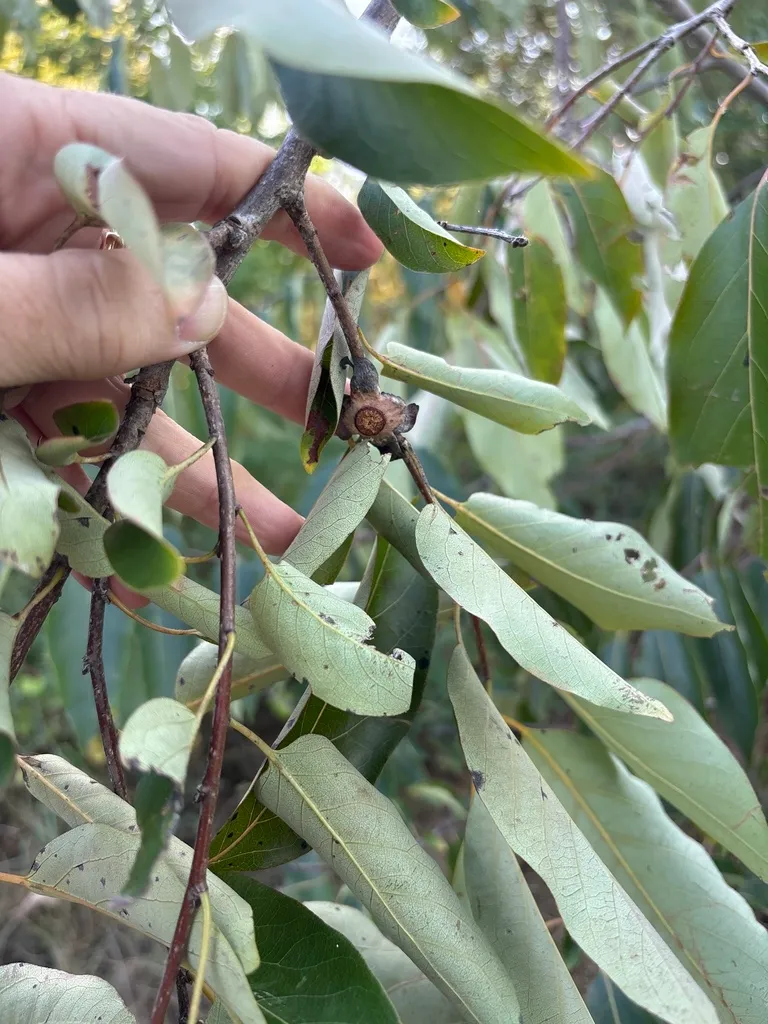
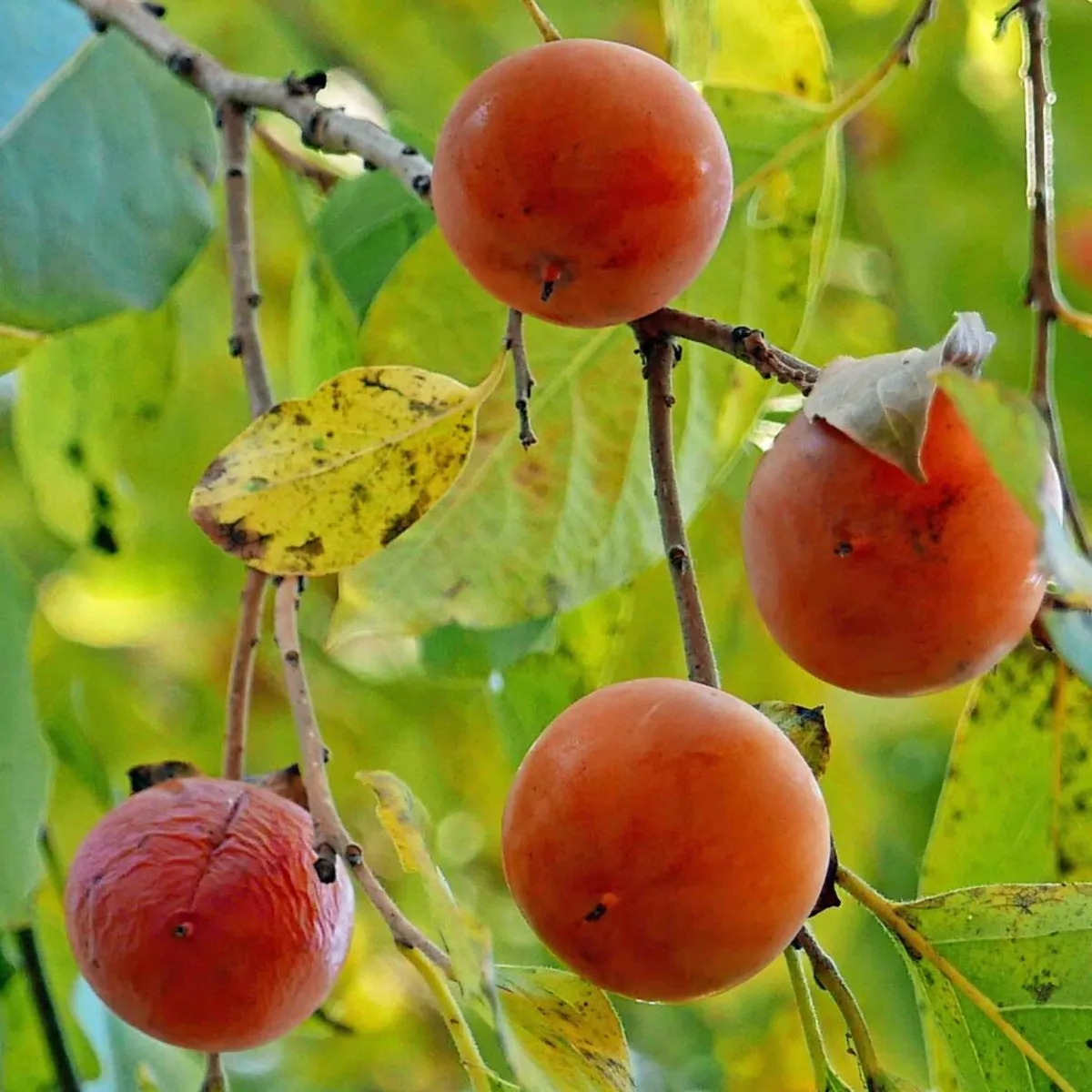
Distribution of Common Persimmon
Distribution map
- Native
- Introduced
- Cultivated
Source:WCVP v16 · Royal Botanic Gardens, Kew · CC BY 3.0 · Boundaries:WGSRPD / TDWG
Toxicity
Non-toxic. The fruit is edible, but unripe fruits contain tannins that can be astringent and cause mouth irritation.
Common Persimmon care guide
- Water regularly during first year, then drought-tolerant
- Watering
- Full sun
- Sunlight

Watering
Water regularly during first year, then drought-tolerant
Fertilizing
 Fertilizing
Fertilize in early spring with a balanced formula
Pruning
 Pruning
Prune in late winter or early spring when the tree is dormant. Remove crossing, weak, or damaged branches to maintain an open crown and improve fruit production.
Propagation
 Propagation
Propagate by seed (stratify for 60–90 days at 4°C) or by grafting onto seedling rootstocks in late winter. Cuttings are difficult to root; softwood cuttings under mist may have limited success. For consistent fruit quality, grafted cultivars are recommended.
Growing
 Growing
Plant in full sun with well-drained soil; it tolerates various soil types including clay and sand. Water regularly during establishment, but once mature it is very drought-tolerant. Apply a balanced fertilizer in early spring. It is hardy to about -25°C, though late frosts may damage flowers. Mulch around the base to retain moisture and suppress weeds. Avoid planting in low-lying frost pockets.
Common pests and diseases
Diseases
Generally resistant to major diseases, but may be affected by leaf spot (Cercospora, Phyllosticta), powdery mildew, and crown gall in poorly drained soils.
Pests
Susceptible to scale insects, aphids, and persimmon psyllid. Deer may browse young shoots.
Explore the plant health library →




