
Ti plant
Also known as: Ti plant, Good luck plant, Hawaiian ti, Palm lily
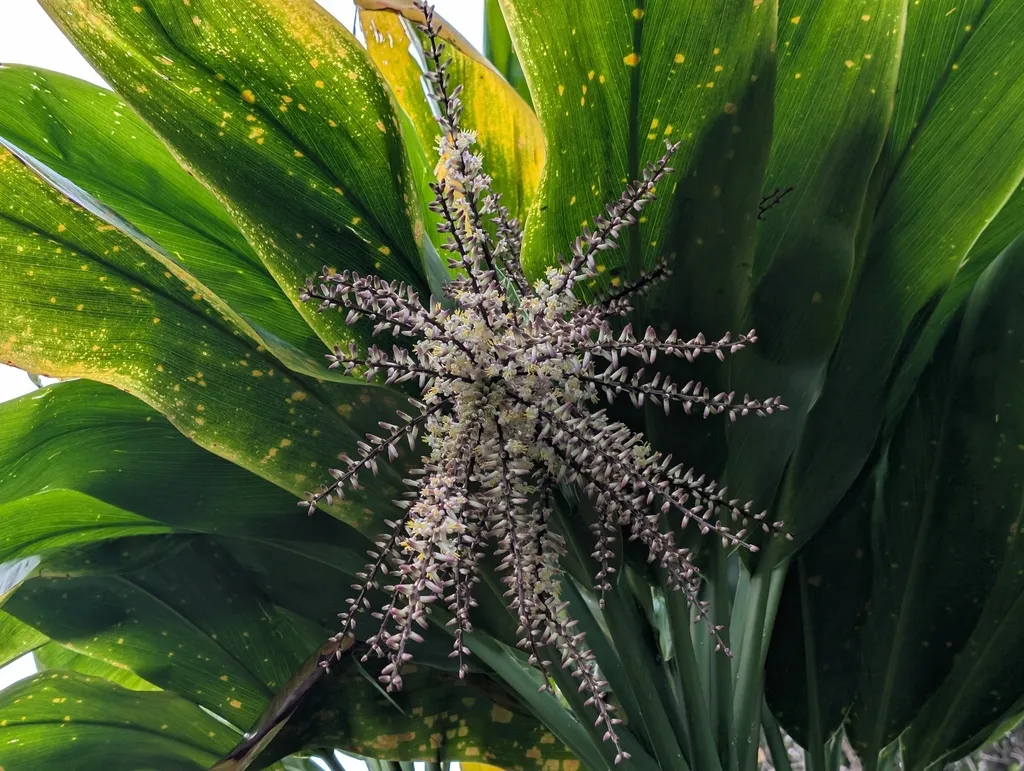
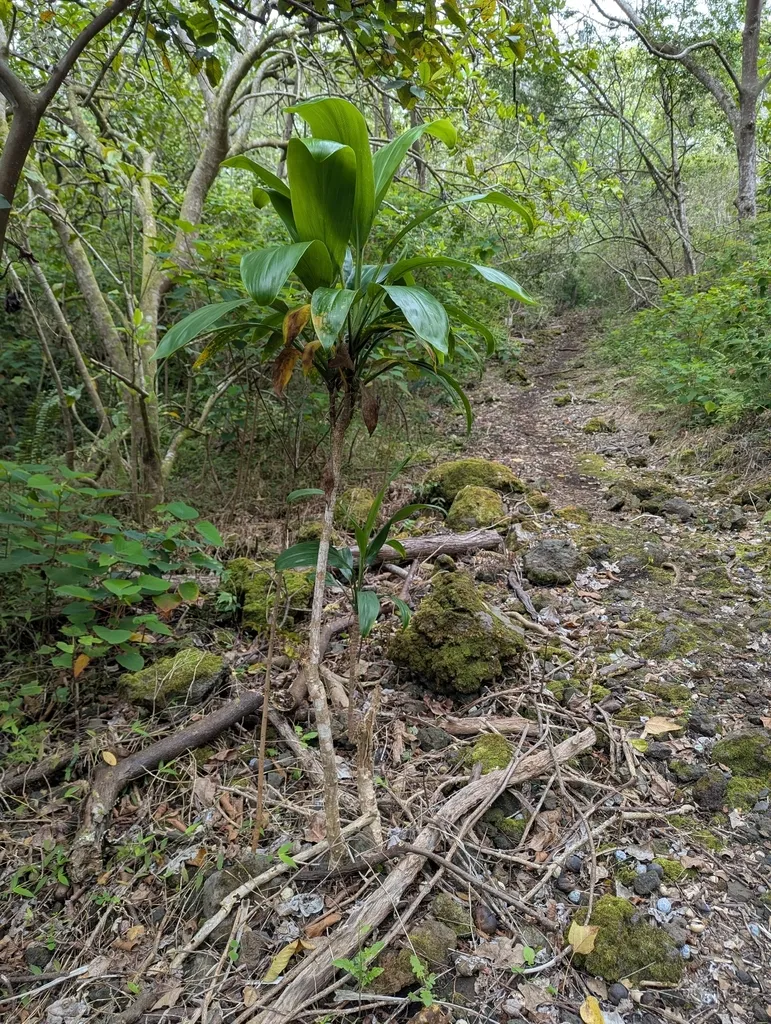
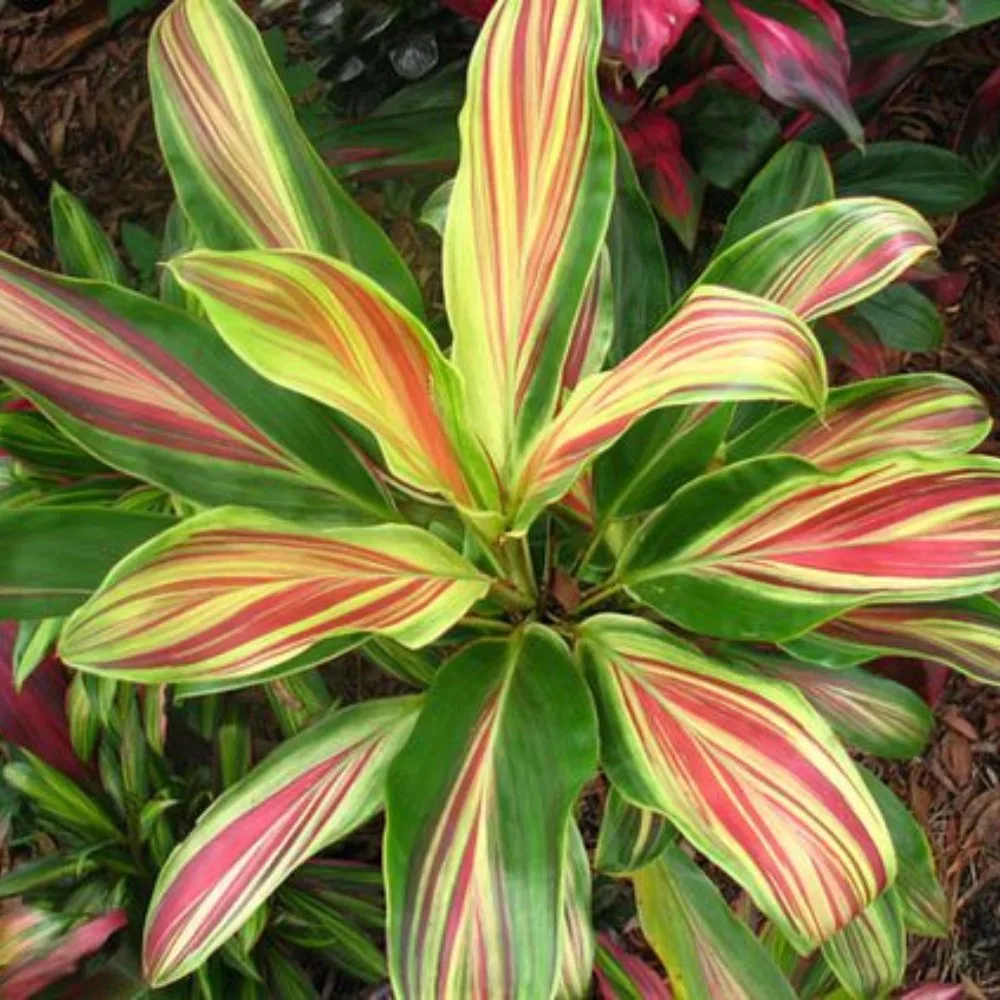
Cordyline fruticosa is an evergreen shrub reaching up to 2-3 meters in height. It has erect stems with a tuft of sword-shaped or lanceolate leaves at the top, each 30-60 cm long. The foliage exhibits a wide range of colors, including deep green, purple-red, and pink variegation, making it highly ornamental. In spring and summer, small pale purple flowers appear on panicles. It is popular as a foliage houseplant or for tropical landscaping.
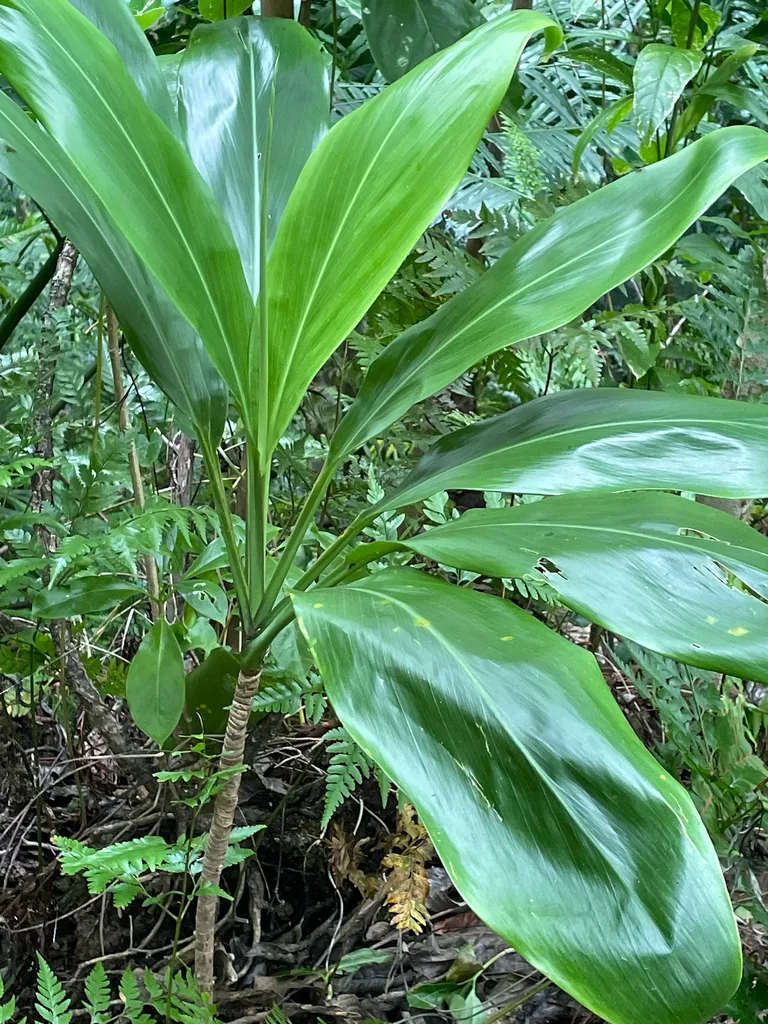
Scientific classification
- Species
- Ti plant (Cordyline fruticosa)
- Genus
- Cordyline
- Family
- Asparagaceae
- Order
- Asparagales
- Class
- Liliopsida
- Phylum
- Tracheophyta
- Cordyline fruticosa is considered non-toxic to humans and pets, though ingestion may cause mild stomach upset.
- Toxicity
- Foliage · Shrubs · Houseplants
- Plant type
- 1.5 - 3 metres
- Height
- 0.6 - 1.2 metres
- Spread
- Evergreen
- Foliage
- Upright
- Habit
- Spring · Summer · Autumn
- Season of interest
- Bright indirect light · Partial shade
- Sunlight
- 18 – 27 °C
- Ideal temperature









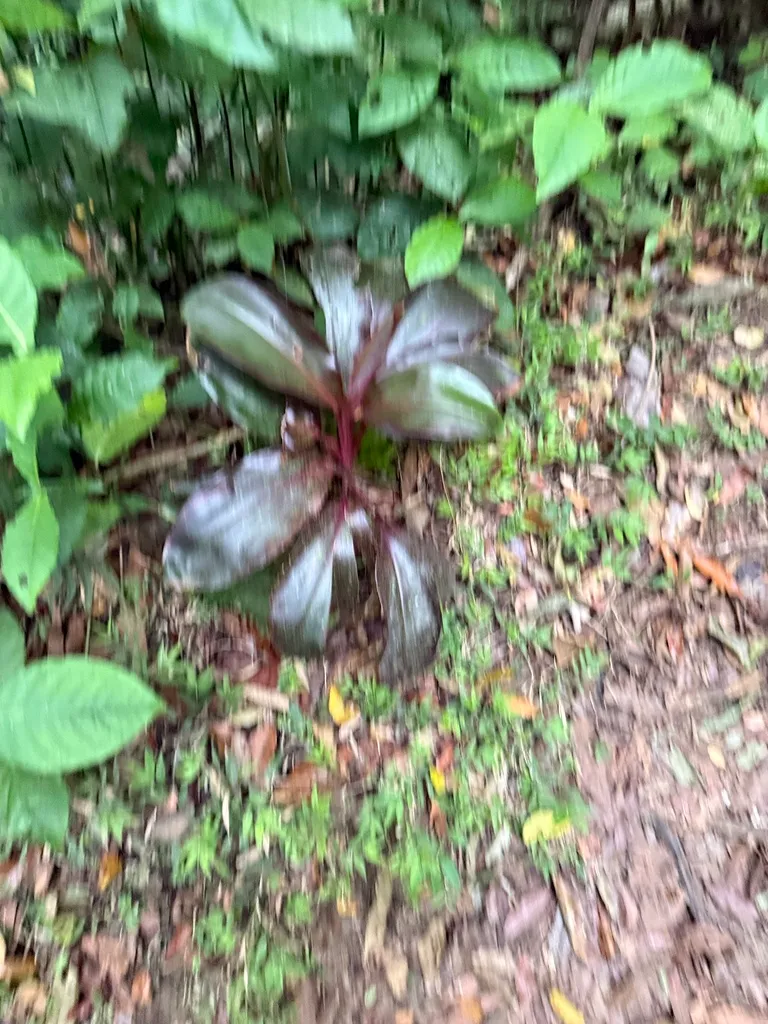
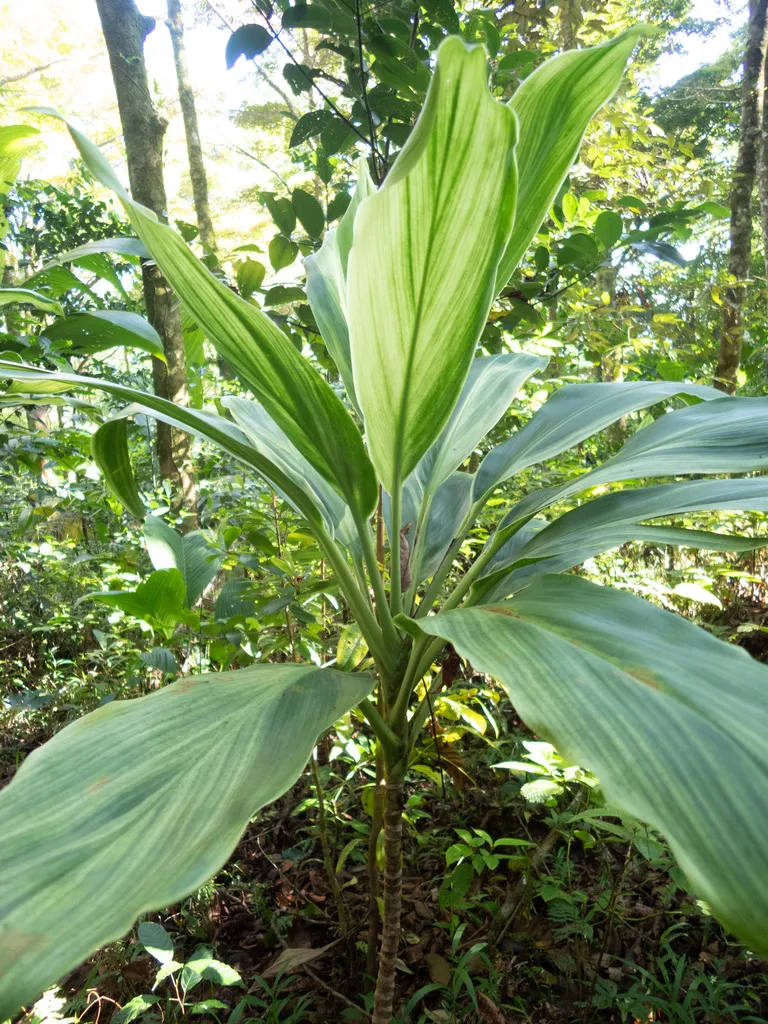
Ti plant pictures
Distribution of Ti plant
Distribution map
Southeast Asia and Pacific Islands (Hawaii, New Guinea, etc.)
Toxicity
Cordyline fruticosa is considered non-toxic to humans and pets, though ingestion may cause mild stomach upset.
Ti plant care guide
- Keep soil evenly moist during growth, reduce in winter
- Watering
- Bright indirect light · Partial shade
- Sunlight
- 18 – 27 °C
- Ideal temperature

Watering
Keep soil evenly moist during growth, reduce in winter
Fertilizing
 Fertilizing
Monthly during growing season
Pruning
 Pruning
Prune lightly in spring to remove old or damaged leaves and maintain shape. Cut back leggy stems to encourage bushiness.
Propagation
 Propagation
Propagate by stem cuttings or division in spring. Take 10-15 cm stem sections with at least two nodes, remove lower leaves, and insert into moist sand or perlite. Keep at 20-25°C with high humidity. Roots develop in 4-6 weeks. Division of basal suckers is also effective.
Growing
 Growing
Cordyline fruticosa prefers a warm, humid environment with bright indirect light or partial shade. Use well-drained, fertile sandy loam soil. Keep the soil consistently moist during the growing season but avoid waterlogging. Reduce watering in winter to allow slight drying. Fertilize monthly with a balanced liquid fertilizer during active growth. Overwinter at temperatures above 5°C; in colder regions, bring indoors or into a greenhouse.
Common pests and diseases
Diseases
Susceptible to root rot if overwatered; may also suffer from leaf spot diseases in humid conditions.
Pests
Can be affected by spider mites, mealybugs, and scale insects, especially in dry indoor conditions.
Explore the plant health library →




