



Planting and Growing Lemon

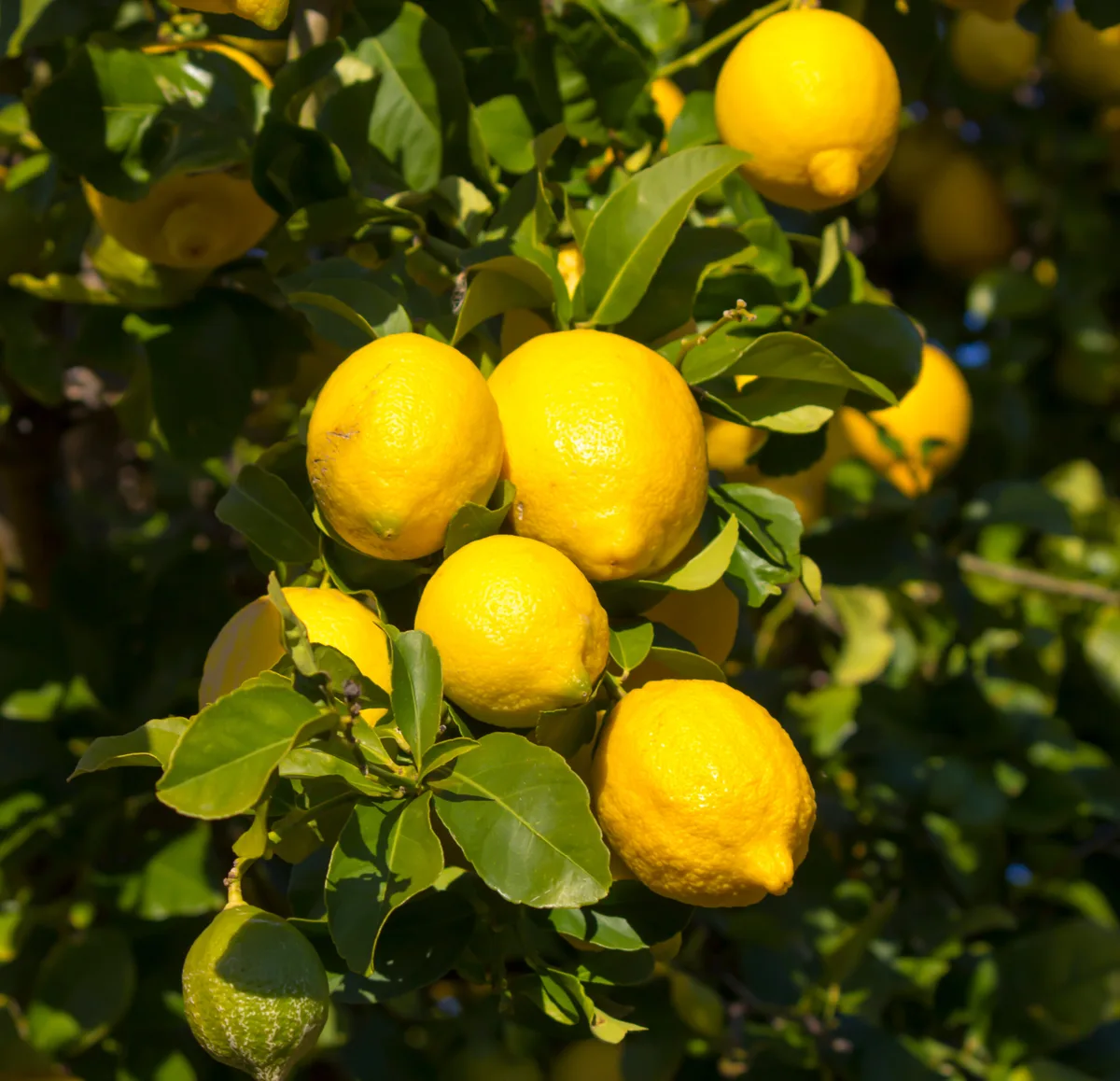
| Care difficulty | 3 / 5 |
|---|---|
| Watering schedule | Keep soil moist but not waterlogged; allow surface to dry slightly between waterings. |
| Sunlight requirements | Full sun |
| Ideal temperature | 15 – 25 °C |
| Soil type | Loam · Sand |
| Soil pH | Acid · Neutral |
| Soil moisture | Moist but well drained |
| Fertilizing | Every 2 weeks during growing season (spring to early autumn). |
| Toxicity | Non-toxic to humans and pets, though the essential oils in the peel may cause mild skin irritation in sensitive individuals. |
How to Water Lemon?
Thriving in its native subtropical climates, lemon has adapted to a moderate watering regimen, preferring consistent moisture without being waterlogged. It exhibits a preference for relatively balanced soil humidity and is moderately drought-tolerant. In cultivation, it's best to provide lemon with watering once every 1-2 weeks, ensuring the soil dries slightly between intervals. Typically grown outdoors due to its need for full sun exposure, lemon benefits greatly from the warm temperatures and well-draining soil that mimic its natural habitat, which contribute to its vigorous growth and abundant fruiting.
Learn more →What Are the Sunlight Requirements for Lemon?
Lemon thrives in conditions of full sun exposure, necessitating at least 6 to 8 hours of direct sunlight per day for optimal growth and fruit production. While lemon can tolerate partial sun, yielding as low as 4 hours of direct light, this may affect its robustness, leading to reduced growth rates and diminished yield. Adaptive traits, such as glossy leaves with high reflectance, help lemon maximize light absorption and minimize heat stress. Ideally, lemon should be planted in outdoor locations with unrestrained access to sunlight, avoiding shaded areas that could compromise its development and health.
Learn more →What Is the Ideal Temperature Range for Lemon?

Lemon demonstrates moderate tolerance to temperature variations, withstanding cold down to 0℃ (32℉) and heat up to 43℃ (110℉). This resilience affects its care requirements, necessitating protective measures during frosts and very hot weather. Symptoms of exposure to extreme cold include leaf drop and branch die-back, while overheating can cause leaf scorch and fruit damage. If lemon experiences overcooling, covering the plant or using frost cloths can help; for overheating, providing shade and ensuring adequate watering are crucial.
Learn more →What Soil Is Best for Lemon?
Lemon tree likes loose, fertile, well-drained, and slightly acidic soil. The best soil pH value range is 5.5-7.0. There is no standard formula for making soil that helps lemon grow; just keep the soil loose, air-permeable, and sufficiently nutritious to do the job. If your soil texture is heavy, you can improve it by mixing in organic manure, river sands, and leaf mold.
- Soil type
- Loam · Sand
- Soil pH
- Acid · Neutral
What Are the Moisture Requirements for Lemon?
Moist but well drained
Learn more →How to Fertilize Lemon?

For optimal growth, lemon benefits from fertilization geared towards fruit-bearing plants. Utilize a high phosphorus fertilizer during the flowering phase to enhance fruit production, shifting to balanced N-P-K formulations that sustain overall health and vigor throughout the growing season. Fertilize lemon every 4-6 weeks during active growth, applying the recommended quantity on the product label. Periods of dormancy, typically in winter, require reduced fertilization. Be mindful of over-fertilization, which can harm lemon, especially when applying nitrogen-heavy mixes. Practical tips include watering before fertilizer application to prevent root burn and ensuring even distribution to avoid nutrient pockets. Adhere strictly to label instructions, adjusting for lemon's size and soil fertility, to maintain robust growth and plentiful lemon yield.
Learn more →How to Prune Lemon?

Lemon is characterized by its vibrant yellow fruit and fragrant blossoms. Prune in early spring to remove dead or diseased branches, and to shape the canopy for better air circulation and light penetration. Trim back any shoots growing below the graft union. This timing aligns with the plant's growth cycle, promoting robust health and increased fruit production. Regular pruning also helps manage size and boosts overall vitality.
Learn more →How to Propagate Lemon?

This citrus fruit-bearing tree thrives in well-draining, fertile soil and requires ample sunlight. For propagation via cutting, select a healthy, disease-free branch. A rooting hormone can enhance root development, and maintaining high humidity and stable temperatures supports successful rooting. After roots establish, transition the young lemon to a larger pot or outdoor space, ensuring they receive consistent care and protection from extreme conditions.
Learn more →How to Transplant Lemon?
To ensure a thriving lemon plant, transplanting is best done during mid-spring to late spring or mid-fall to late fall, providing optimal conditions for root growth. Choose a sunny location with well-draining soil, and consider using slow-release fertilizer for a seamless transition.
Learn more →How to Care for Lemon in Winter?

Lemon natively thrive in warm, subtropical climates and struggle to endure frosty winters. Naturally adapted for mild conditions, lemon enter dormancy in colder temperatures. Over-winter care includes housing the plant indoors or in a greenhouse to avoid extreme cold. Gardeners should provide ample sunlight, seek to mimic the plant's natural environment, and protect it against pests and diseases that exploit winter vulnerabilities.
Learn more →How to Plant Lemon?
Indoors-potted: Ensure lemon has room to grow; a large pot encourages lush foliage and better fruit production indoors. Outdoors-potted: Outdoor potted lemon thrive with seasonal movement, shifting from sunny spots in spring/summer to protected areas in cooler months. Outdoors-in the ground: Planting lemon in-ground requires well-draining soil to prevent root rot, crucial for its longevity and citrus yield.
Learn more →How to Repot Lemon?
Repot lemon when it outgrows its container, typically every 2-3 years, to maintain vigorous growth. Spring is ideal, allowing roots to settle before active summer growth. Choose a pot 2 inches larger in diameter with drainage holes. After repotting, water thoroughly and place in a sunny spot, avoiding overwatering. Friendly note: lemon thrives with consistent care post-repotting!
Learn more →Common Pests & Diseases

Diseases
Susceptible to root rot and collar rot in waterlogged soil, and to citrus canker and greening disease in some regions.
Pests
Common pests include aphids, scale insects, mealybugs, and spider mites, especially under cover or in dry conditions.
Explore the plant health library →Troubleshooting
Yellowing Leaves and Leaf Drop (Especially Indoors)
Citrus limon (lemon tree) is a sunny evergreen fruit tree that frequently yellows or drops leaves when kept in soggy soil, moved indoors to dim dry rooms in winter, or deprived of nitrogen or micronutrients.
| What you notice | Possible explanation | What to check next |
|---|---|---|
| Older leaves turn uniformly yellow and drop while potting mix stays wet or heavy | Overwatering, poor drainage, or cold wet roots | Check drainage holes, empty standing water, and allow the top 1 to 2 inches of soil to dry before watering. |
| Green leaves drop suddenly after bringing a patio tree indoors for winter | Light shock, dry heated air, or cool drafts near windows | Place in the brightest south-facing window available (or add a grow light) and keep away from heating vents. |
| Young leaves turn yellow between dark green veins (interveinal chlorosis) | Iron, magnesium, or zinc deficiency, often worsened by overly alkaline soil or hard water | Check soil pH (citrus prefers slightly acidic pH around 6.0 to 6.5) and review citrus fertilizer nutrients. |
| Leaves develop fine stippling, webbing, or sticky honeydew with scale bumps | Spider mites, scale insects, aphids, or whiteflies | Inspect leaf undersides and twigs closely before treating. |
- Plant potted lemon trees in a fast-draining, slightly acidic citrus or bark-amended potting mix in a container with open drainage holes.
- Water thoroughly when the top 1 to 2 inches of mix feel dry, and never let the pot stand in water.
- Provide at least 6 hours of direct sun outdoors in warm weather, or the brightest sunny window indoors during winter.
- Feed during active spring and summer growth with a complete citrus fertilizer containing trace minerals (iron, magnesium, zinc), and reduce feeding in winter.
Citrus limon fruit is edible, though essential oils in the peel and leaves are irritating to cats and dogs.
Flowers Dropping Without Setting Fruit
Lemon trees naturally shed many excess blossoms, but total fruit drop usually points to pollination limits indoors, water swings, or young tree age.
| What you notice | Possible explanation | What to check next |
|---|---|---|
| Fragrant flowers open indoors and drop without forming small green fruits | Lack of insect pollination or dry indoor air | Gently transfer pollen between flowers using a small soft paintbrush. |
| Tiny pea-sized fruits turn yellow and fall off shortly after petal drop | Natural self-thinning, sudden soil drying/overwatering, or temperature spikes | Keep soil moisture steady and maintain bright sun and good airflow. |
- Hand-pollinate indoor blossoms gently with a dry soft brush when flowers are freshly open.
- Maintain consistent soil moisture during flowering and early fruit set without waterlogging.
- Avoid heavy pruning or repotting while the tree is actively blooming and setting fruit.
Young container lemon trees often drop most blossoms for their first couple of years until the root system and canopy mature.
The Toxicity of Lemon
Non-toxic to humans and pets, though the essential oils in the peel may cause mild skin irritation in sensitive individuals.