



Planting and Growing Daylily

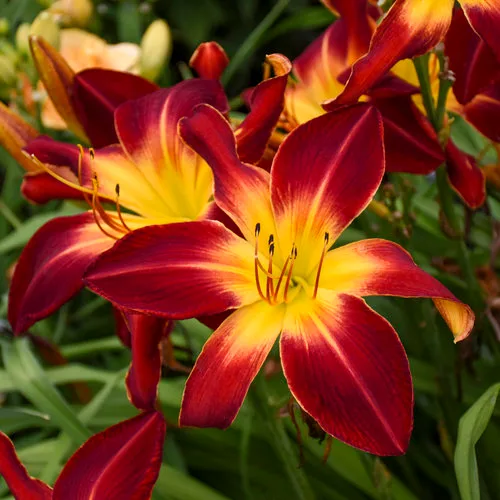
| Care difficulty | 1 / 5 |
|---|---|
| Watering schedule | Keep soil moist during active growth, especially in summer |
| Sunlight requirements | Full sun |
| Ideal temperature | 15 – 25 °C |
| Soil type | Loam |
| Soil pH | Acid · Neutral |
| Soil moisture | Moist but well drained |
| Fertilizing | Apply a balanced fertilizer in early spring and again after flowering |
| Toxicity | Toxic to cats if ingested (can cause kidney failure). Mildly toxic to humans if raw flowers or roots are consumed in large quantities. Cooked flowers (daylily buds) are edible and safe. |
How to Water Daylily?
Keep soil moist during active growth, especially in summer
Learn more →What Are the Sunlight Requirements for Daylily?
Full sun
Learn more →What Is the Ideal Temperature Range for Daylily?

15 – 25 °C
Learn more →What Soil Is Best for Daylily?
- Soil type
- Loam
- Soil pH
- Acid · Neutral
What Are the Moisture Requirements for Daylily?
Moist but well drained
Learn more →How to Fertilize Daylily?

Apply a balanced fertilizer in early spring and again after flowering
Learn more →How to Prune Daylily?

Remove spent flower stalks after flowering to encourage rebloom and maintain a neat shape. Cut back old foliage in late autumn or early spring.
Learn more →How to Propagate Daylily?

Divide established clumps in early spring (March-April) or autumn (September-October). Lift the clump, separate into sections each with several fans of leaves and roots, and replant at the same depth. Water well after division. Seeds can be sown in spring but offspring may not come true.
Learn more →How to Plant Daylily?
Grow in fertile, well-drained soil in full sun for best flowering, though it tolerates light shade. Water regularly during dry spells to keep the soil moist but not waterlogged. Apply a balanced slow-release fertilizer in early spring and again after the main flowering period. Deadhead spent blooms and remove flower stalks after flowering to maintain a tidy appearance. Mulch in autumn to protect the crown in colder regions. Divide clumps every 3-5 years in early spring or autumn to maintain vigor.
Learn more →Common Pests & Diseases

Diseases
Generally disease-resistant, but may suffer from rust, leaf spot, and crown rot in poorly drained soil. Good air circulation and proper watering help prevent issues.
Pests
Susceptible to aphids, spider mites, thrips, and slugs. Regular inspection and organic controls such as neem oil are effective.
Explore the plant health library →Troubleshooting
Leggy Stems, Sparse Flowering, or Root Rot
Daylily (Hemerocallis hybrid) performs best in well-drained soil with appropriate sunlight and regular deadheading; soggy soil rots roots, while low light or skipped pinching causes leggy growth.
| What you notice | Possible explanation | What to check next |
|---|---|---|
| Stems stretch tall and floppy with sparse blooms | Insufficient direct sunlight, lack of early-season pinching/deadheading, or excess high-nitrogen fertilizer | Assess daily sun hours and check whether spent flowers are left to set seed |
| Lower leaves turn yellow and plant wilts while soil stays wet and heavy | Root or stem rot from overwatering or poor drainage (Generally disease-resistant, but may suffer from rust, leaf spot, and crown rot in poorly drained soil. Good air circulation and proper watering help prevent issues.) | Check soil drainage and ensure containers have open drainage holes |
- Grow in fertile, well-drained soil in full sun, spacing plants for good airflow.
- Water consistently without waterlogging: Keep soil moist during active growth, especially in summer.
- Maintain compact flowering growth: Remove spent flower stalks after flowering to encourage rebloom and maintain a neat shape. Cut back old foliage in late autumn or early spring..
Stop watering waterlogged containers immediately and improve drainage before fungal root or stem rot spreads.
Powdery Mildew, Rust, or Aphids and Slugs
Crowded foliage, dry root stress, or damp stagnant air can trigger mildew or rust on Daylily (Hemerocallis hybrid), while tender shoots attract pests.
| What you notice | Possible explanation | What to check next |
|---|---|---|
| White powdery coating or rusty/dark spots on leaves in humid or drought-stressed beds | Fungal disease (Generally disease-resistant, but may suffer from rust, leaf spot, and crown rot in poorly drained soil. Good air circulation and proper watering help prevent issues.) | Inspect lower leaves and spent blooms and check plant spacing |
| Distorted shoot tips with aphids, or ragged holes chewed in young leaves | Common pests (Susceptible to aphids, spider mites, thrips, and slugs. Regular inspection and organic controls such as neem oil are effective.) | Check shoot tips, leaf undersides, and damp ground around the crown |
- Water at the base of the plant early in the day rather than overhead, and divide congested clumps in spring or autumn every 2–3 years.
- Remove diseased leaves and faded flowers promptly, and clear plant debris at season's end.
- Manage aphids with a firm water spray or insecticidal soap per label directions, and protect young shoots from slugs.
Protect frost-tender tubers or half-hardy bedding indoors or under glass before autumn frosts.
The Toxicity of Daylily
Toxic to cats if ingested (can cause kidney failure). Mildly toxic to humans if raw flowers or roots are consumed in large quantities. Cooked flowers (daylily buds) are edible and safe.