



Planting and Growing Siberian ginseng

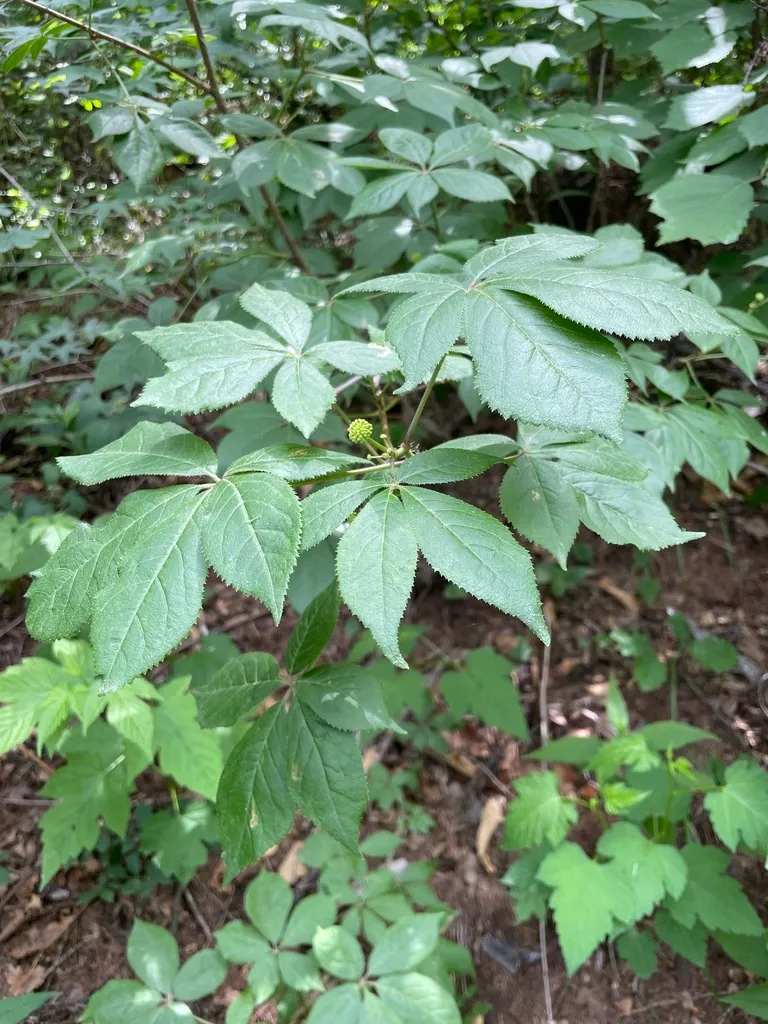
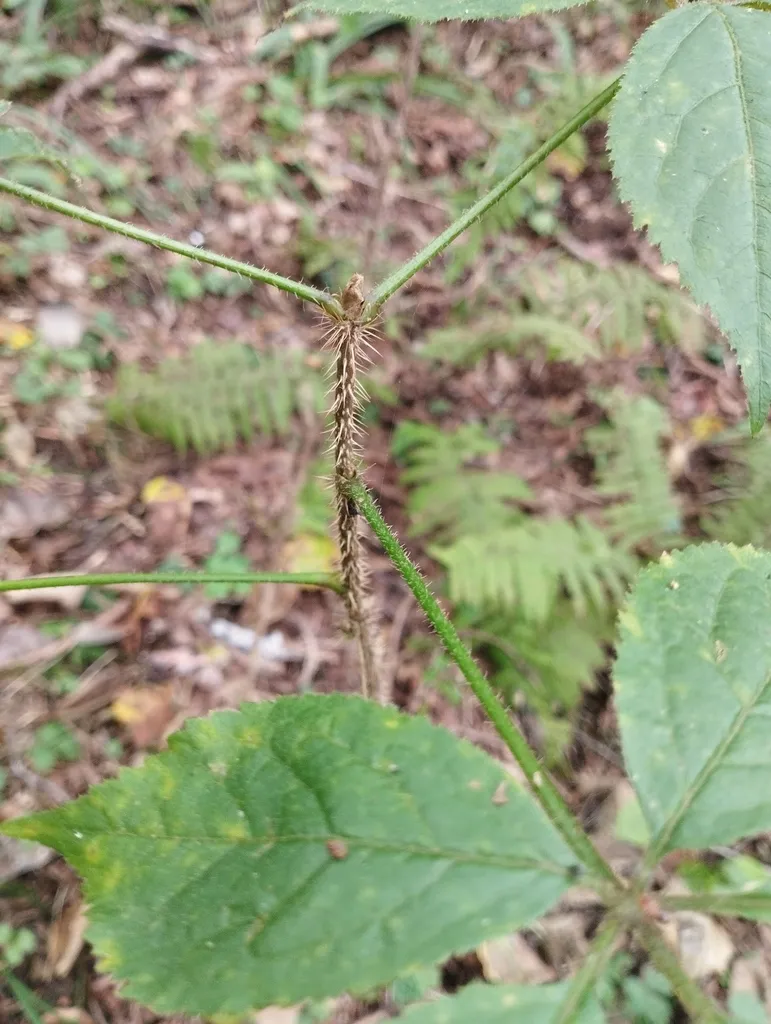
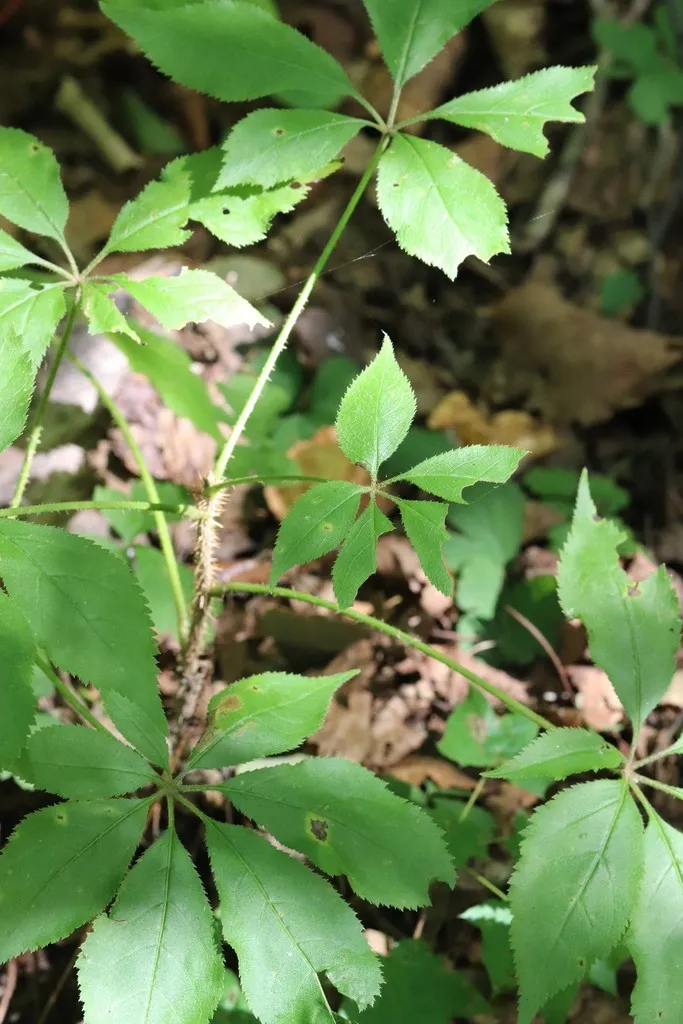
| Care difficulty | 2 / 5 |
|---|---|
| Watering schedule | Keep soil moist |
| Sunlight requirements | Full sun · Partial shade |
| Ideal temperature | 15 – 25 °C |
| Soil type | Loam · Sand |
| Soil pH | Acid · Neutral |
| Soil moisture | Moist but well drained |
| Fertilizing | Every 2–3 weeks during growing season |
| Toxicity | Non-toxic to humans and pets. |
How to Water Siberian ginseng?
Originating from the cold regions of Northeast Asia, siberian ginseng is accustomed to a climate with moderate moisture levels. This species thrives in environments that mimic its native woodland habitat, exhibiting a preference for consistent but not excessive watering. It displays resilience against occasional dry spells, maintaining a balance between drought tolerance and the need for humidity. Watering should be adjusted to once every 2-3 weeks, ensuring soil moisture without waterlogging. Typically grown outdoors due to its hardy nature, siberian ginseng benefits from mulching which helps retain soil moisture during its active growing season.
Learn more →What Are the Sunlight Requirements for Siberian ginseng?
Siberian ginseng thrives in conditions with full sun exposure, where it receives the highest light intensity. The duration of light ideally spans the majority of the day to ensure vigorous growth and optimal health. In cases where full sun is not achievable, siberian ginseng can adapt to partial shade environments. However, reduced light levels can potentially slow its growth, lead to less robust plants, and may affect overall vitality. If grown outdoors, siberian ginseng should be positioned where daylight is ample, avoiding densely shaded areas. No special traits related to indoor growth need to be mentioned, as siberian ginseng is primarily an outdoor species.
Learn more →What Is the Ideal Temperature Range for Siberian ginseng?

Siberian ginseng is remarkably resilient to temperature fluctuations, enduring cold temperatures down to -30℃ (-22℉) and heat up to 35℃ (95℉). This adaptability makes siberian ginseng suitable for a variety of climates but requires careful management during extreme weather. In freezing conditions, siberian ginseng might exhibit wilting or dieback, while excessive heat can cause leaf scorch and dehydration. Protective measures like mulching in winter and shading or regular watering in summer are recommended. Understanding these temperature tolerances helps in providing optimal care and ensuring the plant's health and vigor in diverse environments.
Learn more →What Soil Is Best for Siberian ginseng?
- Soil type
- Loam · Sand
- Soil pH
- Acid · Neutral
What Are the Moisture Requirements for Siberian ginseng?
Moist but well drained
Learn more →How to Fertilize Siberian ginseng?

To support siberian ginseng's health, use balanced nutrition fertilizers for overall growth and high nitrogen fertilizers to stimulate robust foliage. Seasonally, apply in spring through early summer at 4-6 week intervals. Quantify based on product guidelines, typically a teaspoon per plant, ensuring even soil distribution without contact with stems or leaves to prevent burn. Gradually decrease frequency as fall approaches, ceasing in winter to let siberian ginseng rest. Young siberian ginseng plants benefit from consistent feeding; adjust for mature plants focusing on spring rejuvenation. Always water thoroughly post-fertilization for optimal nutrient absorption.
Learn more →How to Prune Siberian ginseng?

Siberian ginseng is a hardy shrub known for its medicinal properties and adaptability. Optimal pruning time is early spring, before new growth emerges. Remove dead or damaged wood, thin out crowded areas, and shape the plant to encourage air circulation and sunlight penetration. Regular pruning promotes vigorous growth and improves overall plant health. Ensure clean, sharp tools are used to avoid introducing diseases.
Learn more →How to Propagate Siberian ginseng?

Siberian ginseng is a hardy shrub known for its resilience and adaptability to various soil conditions. It primarily propagates through cuttings, a practical technique allowing gardeners to clone the desired characteristics of a parent plant. When taking cuttings, select healthy stem sections and treat the cut ends with rooting hormone for optimal rooting success. Plant the treated cuttings in a moist propagation medium, ensuring high humidity and stable temperatures to encourage root development. Continuous monitoring and proper care will lead to the successful establishment of new plants.
Learn more →How to Transplant Siberian ginseng?
For siberian ginseng, the period of awakening to lush growth, typically early spring through summer, is ideal for transplanting. Choose a shaded location with well-drained soil to encourage robust vitality. Friendly reminder: Ample water post-transplant secures a successful relocation!
Learn more →How to Plant Siberian ginseng?
Grow in deep, fertile, moist but well-drained soil in full sun to partial shade. It is very hardy and tolerates a wide range of soil types, including sandy and loamy soils. Water regularly during the first growing season to establish a deep root system; once established, it is moderately drought-tolerant. Apply a balanced slow-release fertiliser in early spring. Mulch around the base in autumn to protect roots in cold winters. Minimal pruning is needed, but remove dead or crossing stems in late winter or early spring.
Learn more →Common Pests & Diseases

Diseases
Generally disease-resistant, but may occasionally suffer from leaf spot in overly wet conditions. Good air circulation and well-drained soil reduce risk.
Pests
Rarely troubled by pests; aphids may occasionally appear in spring but are seldom damaging.
Explore the plant health library →Troubleshooting
Leaf Scorch, Yellowing Chlorosis, or Root/Crown Decline
Siberian ginseng (Eleutherococcus senticosus) depends on deep, well-drained soil and appropriate sun/moisture balance; waterlogged roots, drought stress, or unsuitable soil pH quickly show in foliage color.
| What you notice | Possible explanation | What to check next |
|---|---|---|
| Leaf margins turn brown and crispy in summer heat, or young foliage wilts despite adequate sunlight | Drought stress, drying winds, or afternoon sun scorch (especially on newly planted trees/shrubs) | Check soil moisture 10–15 cm (4–6 inches) deep and assess afternoon sun and wind exposure |
| Leaves turn pale yellow between dark green veins or whole canopy yellows and thins | Unsuitable soil pH locking up iron/manganese or poor drainage causing root rot | Test soil pH and inspect root-zone drainage after heavy rain or irrigation |
- Plant in well-drained soil suited to its pH needs (Acid, Neutral pH) in full sun or partial shade, mulching the root zone with organic bark or leaf mold kept clear of the trunk.
- Water deeply during dry spells, especially in the first two years after planting: Keep soil moist.
- Protect frost-tender or container-grown woody species before winter freezes.
If sudden branch dieback with dark vascular streaking or mushroom growth at the base occurs (suspected Verticillium wilt or honey fungus), prune out dead wood cleanly and consult local extension diagnostics.
Poor Flowering/Fruiting or Sap-Sucking Pests and Mildew
Insufficient sunlight, improper pruning timing, or dense unpruned canopies can reduce blooms and fruit while encouraging aphids, scale, caterpillars, or powdery mildew.
| What you notice | Possible explanation | What to check next |
|---|---|---|
| Vigorous leafy shoots with few flowers or poor fruit set | Excessive shade, high-nitrogen fertilizer, or pruning off old-wood flower buds at the wrong season | Review daily sun hours, fertilizer ratio, and pruning timing |
| Curled sticky new shoots, white powdery leaf coating, or chewed foliage | Common pests (Rarely troubled by pests; aphids may occasionally appear in spring but are seldom damaging.) or fungal issues (Generally disease-resistant, but may occasionally suffer from leaf spot in overly wet conditions. Good air circulation and well-drained soil reduce risk.) | Inspect shoot tips, leaf undersides, and inner canopy airflow |
- Prune at the appropriate seasonal window: Prune in late winter or early spring before new growth begins. Remove dead, damaged, or crossing stems to maintain shape and encourage vigorous growth..
- Thin crowded interior shoots to improve sunlight penetration and air circulation, and clean up fallen leaves in autumn.
- Blast aphids off sturdy shoots with a firm water spray or use insecticidal soap per label instructions.
Avoid late-summer nitrogen feeding, which forces soft late growth vulnerable to early autumn frost.
The Toxicity of Siberian ginseng
Non-toxic to humans and pets.