
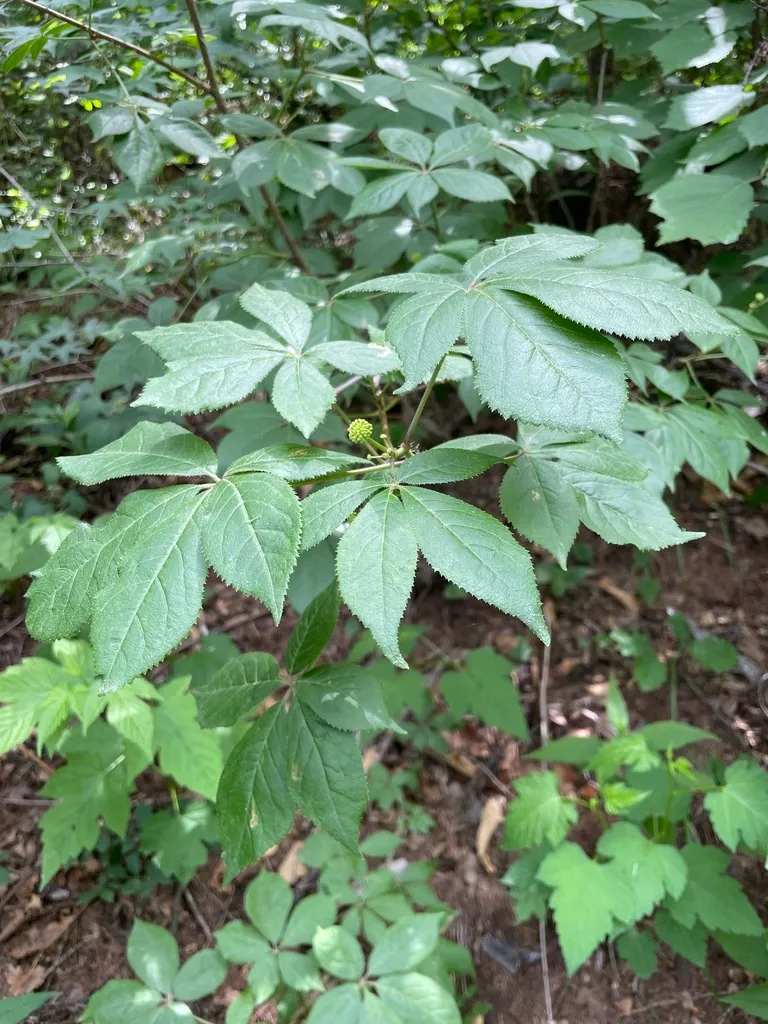



Siberian ginseng

Siberian ginseng · Fertilizing

Siberian ginseng · Eleutherococcus senticosus
Also known as: Siberian ginseng, Eleuthero, Ciwujia

Siberian ginseng is relatively undemanding and can thrive in various conditions, which makes it commonly regarded as easy to care for. Key care needs include well-drained soil and partial to full sun exposure. A special care point for siberian ginseng is its adaptability to cold climates, but it requires less watering during the winter months to avoid root rot. Pruning is not typically necessary but can be done to shape the plant.

Watering: Keep soil moistSunlight: Full sun · Partial shadeNon-toxic to humans and pets.

How to Fertilize Siberian ginseng?

To support siberian ginseng's health, use balanced nutrition fertilizers for overall growth and high nitrogen fertilizers to stimulate robust foliage. Seasonally, apply in spring through early summer at 4-6 week intervals. Quantify based on product guidelines, typically a teaspoon per plant, ensuring even soil distribution without contact with stems or leaves to prevent burn. Gradually decrease frequency as fall approaches, ceasing in winter to let siberian ginseng rest. Young siberian ginseng plants benefit from consistent feeding; adjust for mature plants focusing on spring rejuvenation. Always water thoroughly post-fertilization for optimal nutrient absorption.

PlantCare

Your Ultimate Guide to Plants

Identify, grow and nurture the better way!

PlantCare plant identification and care illustration
PlantCare

Botanist in your pocket

Scan to download PlantCareDownload on the App Store

Scan the QR code with your phone camera to download the app