
Siberian ginseng
Also known as: Siberian ginseng, Eleuthero, Ciwujia
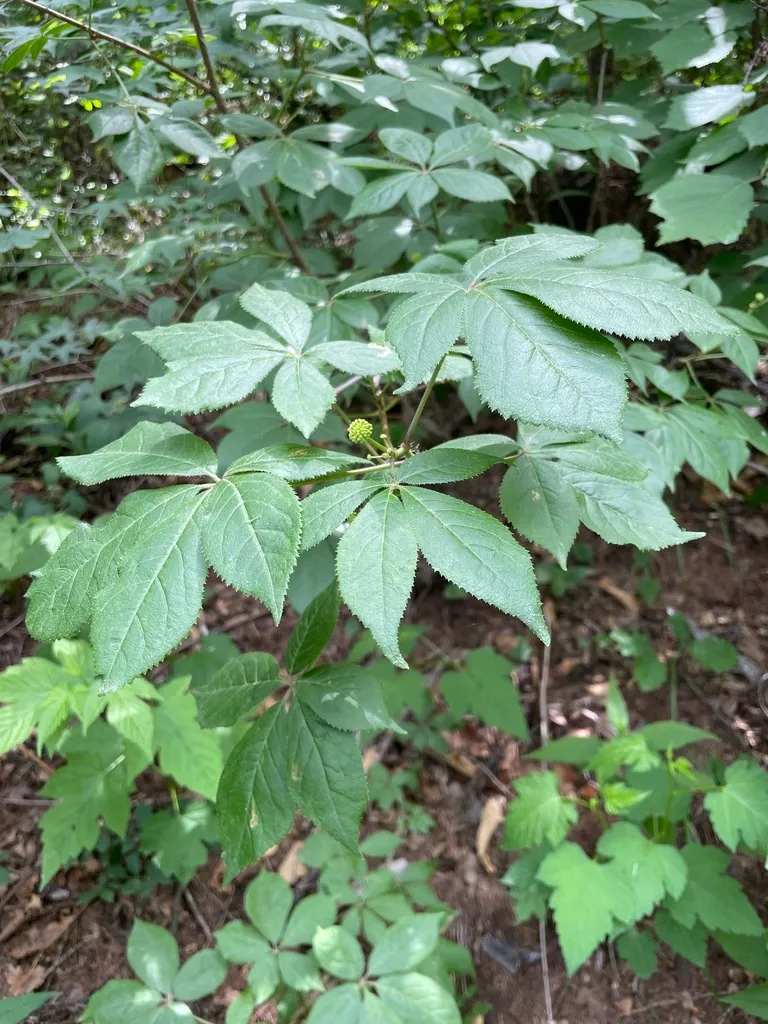
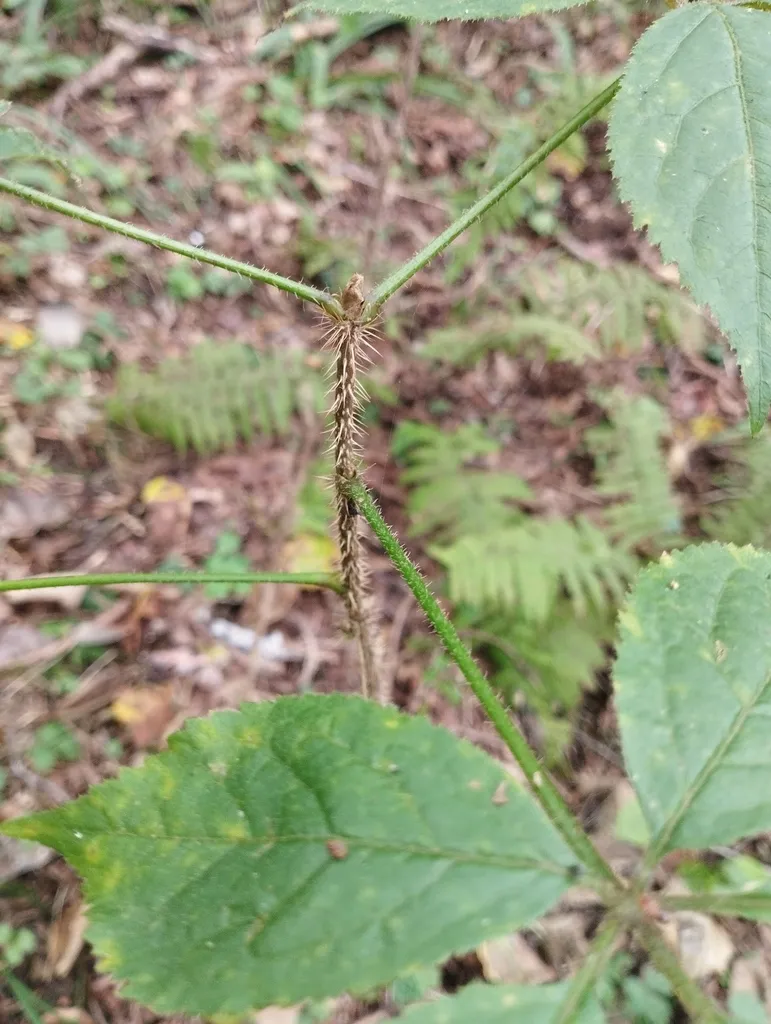
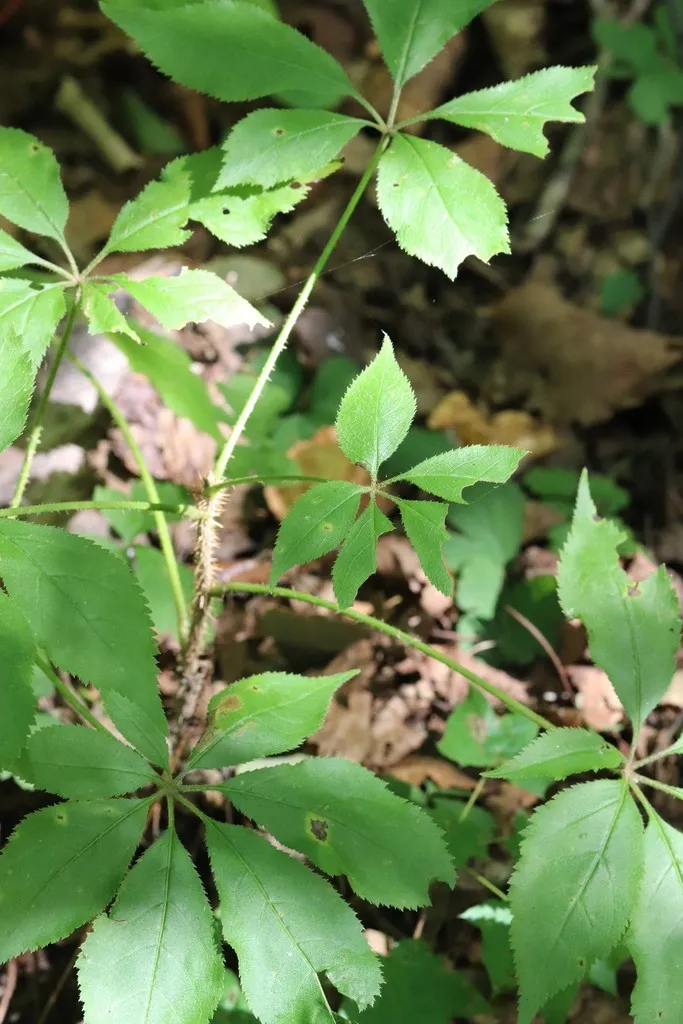
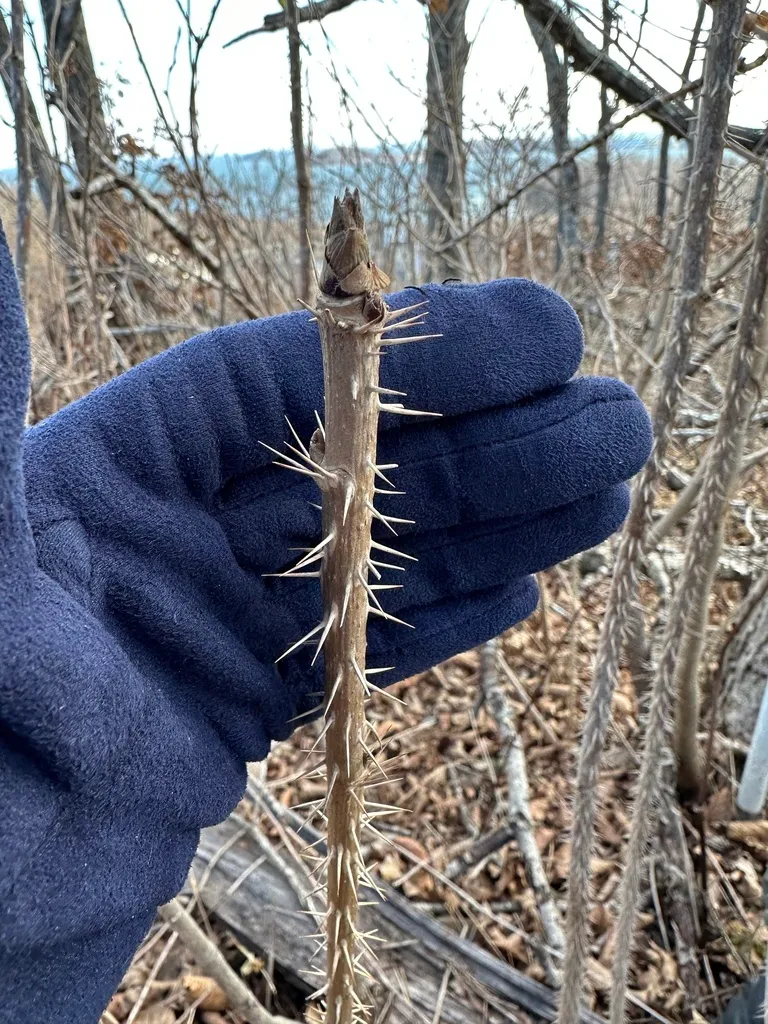
Eleutherococcus senticosus is a deciduous shrub growing 1–2 metres tall, with spiny, erect stems and distinctive palmate leaves composed of five leaflets. In early summer it produces small, inconspicuous greenish-yellow flowers clustered in umbels, followed by black berry-like fruits. The plant’s value lies in its medicinal root and resilience, forming a bushy, upright habit that suits naturalistic or woodland garden settings.
Scientific classification
- Species
- Siberian ginseng (Eleutherococcus senticosus)
- Genus
- Information to be completed
- Family
- Araliaceae
- Non-toxic to humans and pets.
- Toxicity
- Shrubs
- Plant type
- 1 - 2 metres
- Height
- 1 - 1.5 metres
- Spread
- Deciduous
- Foliage
- Upright · Bushy
- Habit
- Spring · Summer
- Season of interest
- Full sun · Partial shade
- Sunlight
- 15 – 25 °C
- Ideal temperature









Siberian ginseng pictures
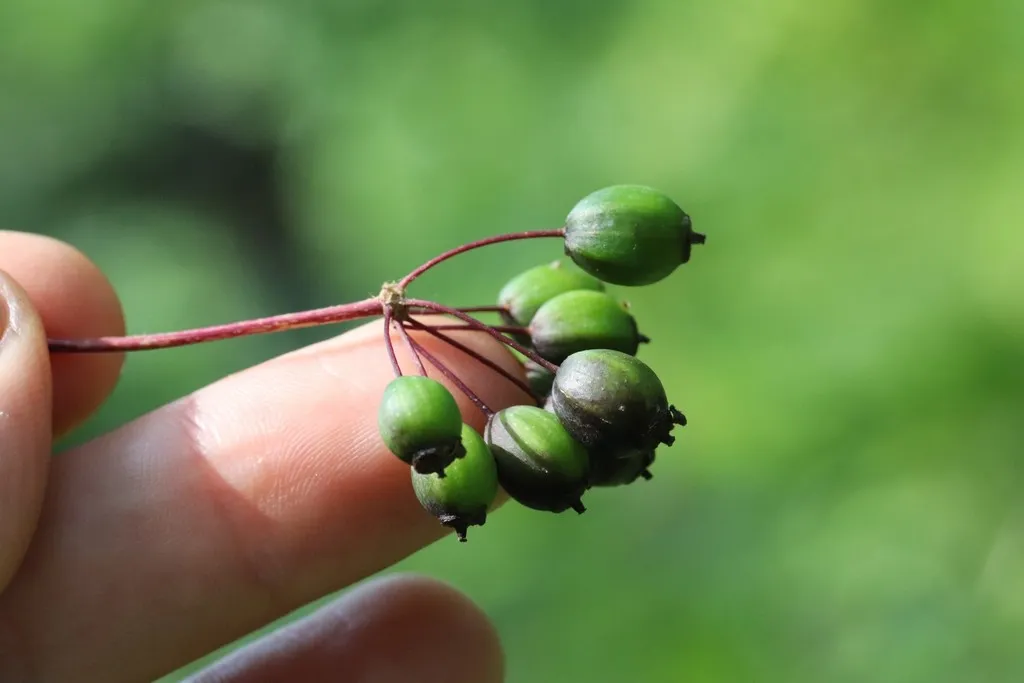
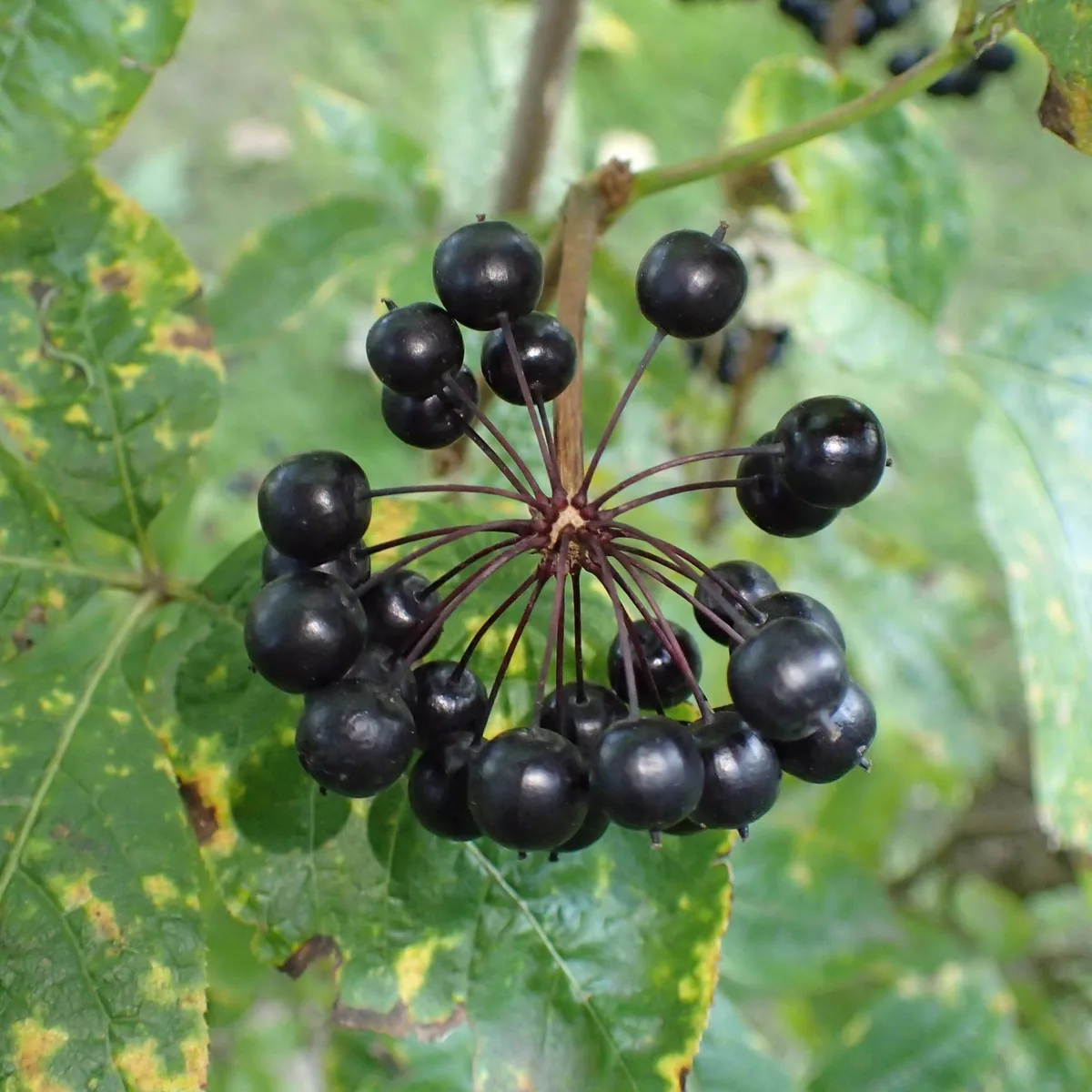
Distribution of Siberian ginseng
Distribution map
- Native
- Introduced
- Cultivated
Source:WCVP v16 · Royal Botanic Gardens, Kew · CC BY 3.0 · Boundaries:WGSRPD / TDWG
Toxicity
Non-toxic to humans and pets.
Siberian ginseng care guide
- Keep soil moist
- Watering
- Full sun · Partial shade
- Sunlight
- 15 – 25 °C
- Ideal temperature

Watering
Keep soil moist
Fertilizing
 Fertilizing
Every 2–3 weeks during growing season
Pruning
 Pruning
Prune in late winter or early spring before new growth begins. Remove dead, damaged, or crossing stems to maintain shape and encourage vigorous growth.
Propagation
 Propagation
Propagate by seed sown in autumn in a cold frame, or by softwood cuttings taken in early summer. Cuttings of 8–10 cm length should be taken from healthy new shoots, treated with rooting hormone, and placed in a mix of sand and peat under high humidity. Rooting typically takes 4–6 weeks at 18–20°C.
Growing
 Growing
Grow in deep, fertile, moist but well-drained soil in full sun to partial shade. It is very hardy and tolerates a wide range of soil types, including sandy and loamy soils. Water regularly during the first growing season to establish a deep root system; once established, it is moderately drought-tolerant. Apply a balanced slow-release fertiliser in early spring. Mulch around the base in autumn to protect roots in cold winters. Minimal pruning is needed, but remove dead or crossing stems in late winter or early spring.
Common pests and diseases
Diseases
Generally disease-resistant, but may occasionally suffer from leaf spot in overly wet conditions. Good air circulation and well-drained soil reduce risk.
Pests
Rarely troubled by pests; aphids may occasionally appear in spring but are seldom damaging.
Explore the plant health library →




