



Planting and Growing needle palm

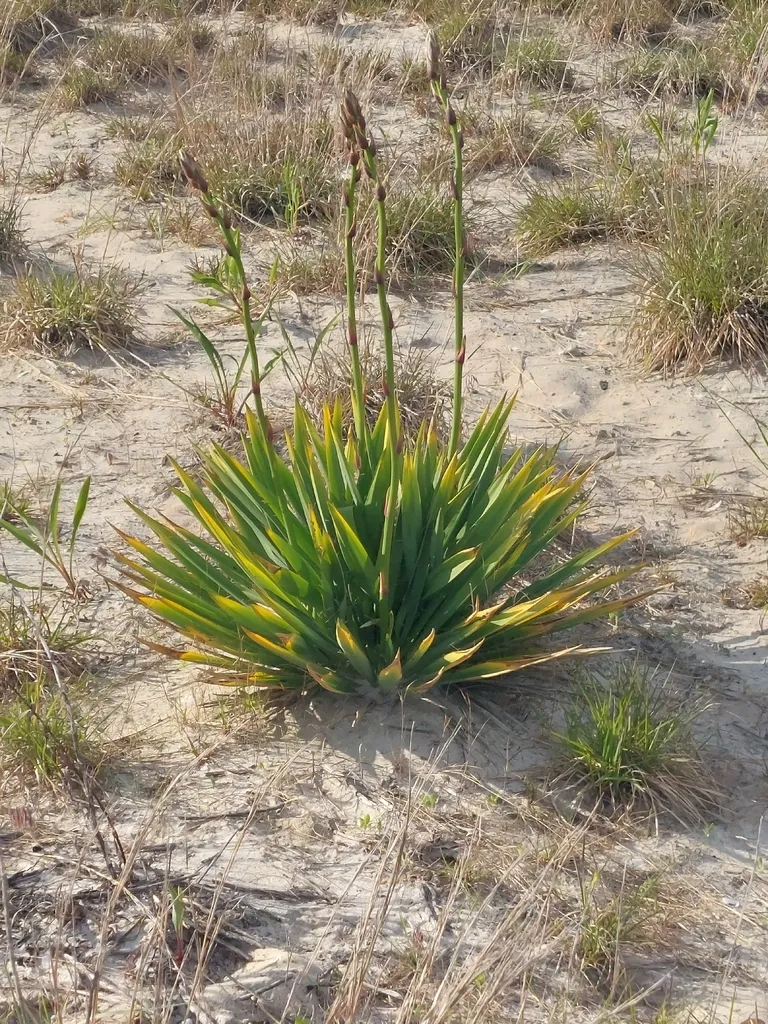
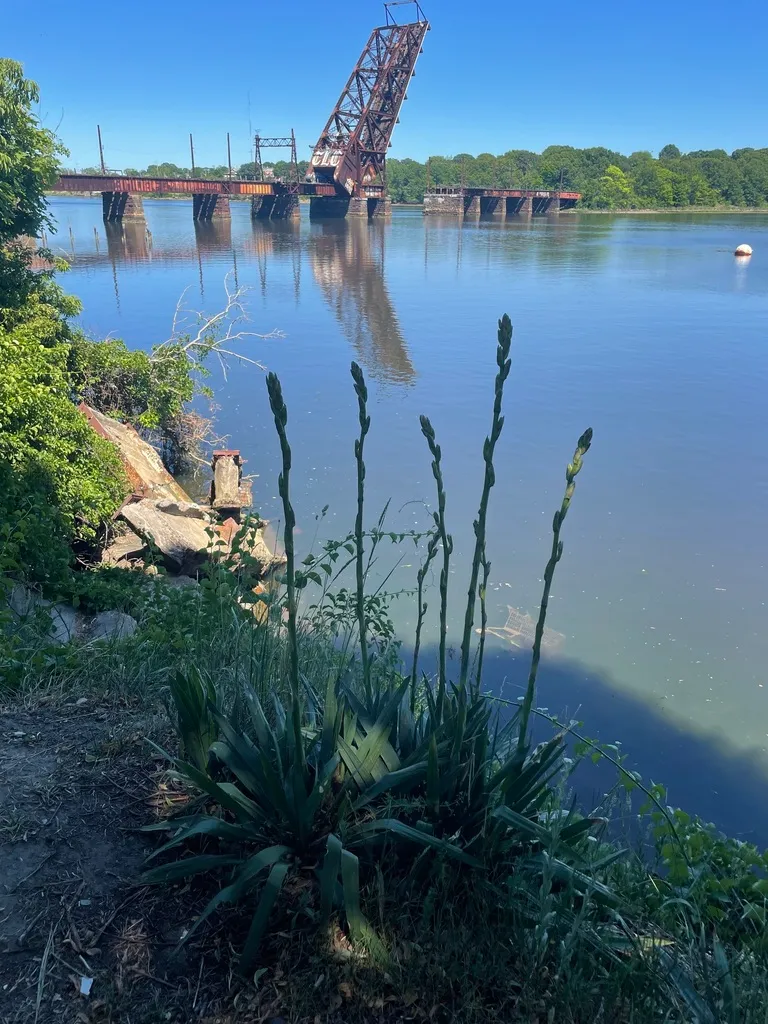
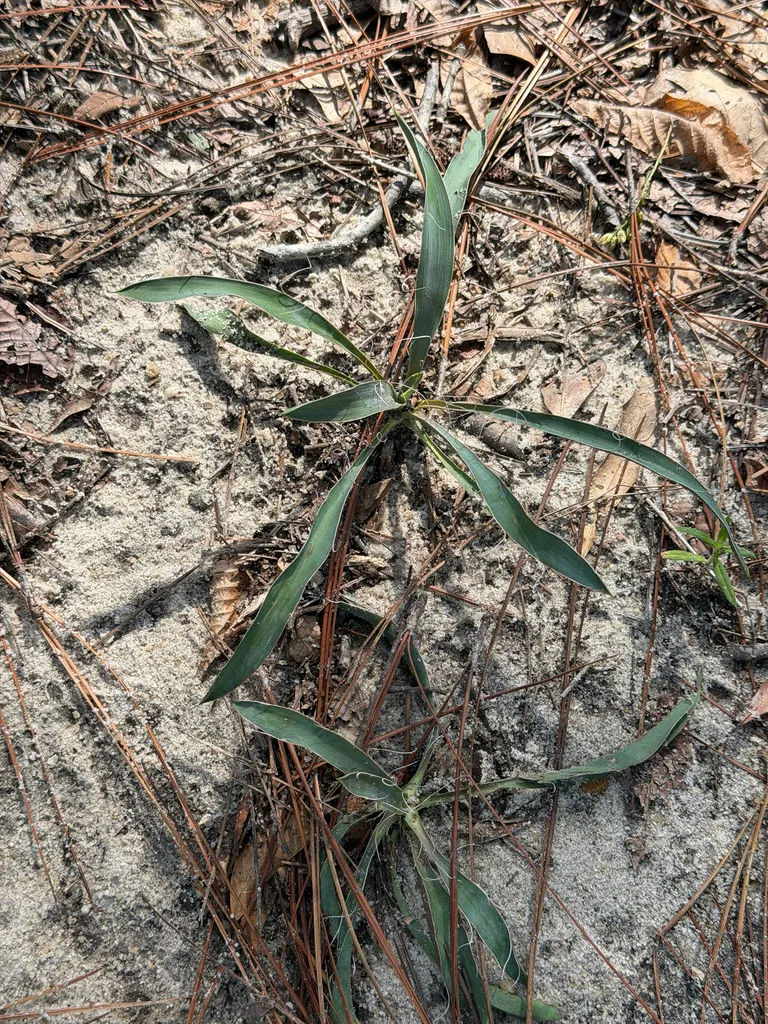
| Care difficulty | 1 / 5 |
|---|---|
| Watering schedule | Moderate regular watering, allowing brief slight drying between soakings |
| Sunlight requirements | Full sun |
| Ideal temperature | 15 – 25 °C |
| Soil type | Chalk · Loam · Sand |
| Soil pH | Acid · Alkaline · Neutral |
| Soil moisture | Well drained |
| Fertilizing | Balanced perennial feed every four weeks from spring through summer |
| Toxicity | Skin allergen. Wear gloves and other protective equipment when handling |
How to Water needle palm?
Originating from arid environments, adam's needle is well-adapted to thrive with minimal moisture, exhibiting exceptional drought tolerance. It prefers soil that dries out between waterings, maintaining a balance without excess water retention. The appropriate watering frequency for adam's needle is once every 2-3 weeks, ensuring the plant's soil has ample time to dry. As an outdoor plant commonly found in xeric landscapes, adam's needle demonstrates its resilience by efficiently managing water during intense heat and prolonged sun exposure.
Learn more →What Are the Sunlight Requirements for needle palm?
Adam's needle thrives best under full sun exposure, which significantly aides in optimal growth, impressive health, and vibrant flowering. While adam's needle prefers bright, direct sunlight for at least six hours a day, it exhibits notable resilience in partial sun environments. Deviations from these conditions might slow the plant's growth and lessen its flowering capabilities. Adam's needle has adapted to manage varied light conditions by adjusting its foliage orientation to maximize light absorption. Recommended for outdoor gardens, adam's needle should be planted in locations where sunlight is abundant to ensure robust development.
Learn more →What Is the Ideal Temperature Range for needle palm?

Adam's needle exhibits impressive temperature tolerance, enduring cold down to -10℃ (14℉) and heat up to 43℃ (110℉). This resilience allows it to thrive in diverse climates, though protective measures like mulching may be necessary in extreme cold. Symptoms of cold stress include leaf discoloration and softening, while overheating can cause leaf scorching and wilting. In the event of overcooling, insulating coverings can provide warmth, whereas shading and adequate watering help combat overheating. This adaptability makes adam's needle suitable for various environments, minimizing care requirements despite significant temperature fluctuations.
Learn more →What Soil Is Best for needle palm?
For adam's needle, opt for well-draining soil with excellent aeration to prevent water-logging. Use a mix of garden soil and coarse sand or perlite, in a 2:1 ratio, to improve drainage. If sand or perlite are unavailable, substitute with small gravel. Amend the soil with a slow-release, balanced fertilizer during spring to boost growth. Regularly check the soil to ensure it remains dry between waterings.
- Soil type
- Chalk · Loam · Sand
- Soil pH
- Acid · Alkaline · Neutral
What Are the Moisture Requirements for needle palm?
Well drained
Learn more →How to Fertilize needle palm?

Fertilize adam's needle with a balanced fertilizer or one high in nitrogen in spring as new growth appears, promoting vigor and blooms. Apply annually, following a 10-10-10 ratio at 1/2 lb per inch of trunk diameter. Over-fertilization risks damaging adam's needle's roots and altering soil composition; less is more with slow-release formulas. Adjust feeding based on growth; reduce in dormancy. Water thoroughly post-application to aid nutrient absorption and prevent root burn. Use protective gloves, avoiding foliage contact.
Learn more →How to Prune needle palm?

Adam's needle, known for its striking, sword-like leaves and tall flower spikes, benefits from pruning in early spring. Remove dead or damaged leaves at the base, and cut spent flower stalks after blooming. Pruning at this time promotes healthy growth and prevents pests. Regular maintenance enhances the plant's appearance and encourages vigorous development. Always use clean, sharp tools to ensure precise cuts and minimize the risk of disease. Following these techniques keeps adam's needle both attractive and thriving.
Learn more →How to Propagate needle palm?

Adam's needle is a robust perennial that thrives with minimal care. Its propagation is successful through cutting, specifically by using sections of the rhizomes or offsets that develop around the base of the mother plant. Gardeners should select healthy rhizome pieces or offsets, allow them to dry for a day to form a callus, and then plant them in well-draining soil, ensuring they are not buried too deep to encourage robust root development.
Learn more →How to Transplant needle palm?
The best time to transplant adam's needle is during the early days of spring, when the weather is steadily warming up. Choose a sunny location with well-drained soil for optimal growth. Be gentle while handling the roots and give ample space between plants for proper air circulation.
Learn more →How to Care for needle palm in Winter?

Adam's needle hails from the hardy, harsh climates of the southeast United States. It adapts to winter with a deep root system for nutrient storage during dormancy. Frost doesn't bother adam's needle as it's used to withstand temperatures down to -15°C. For over-winter care, gardeners should mainly ensure sufficient drainage as its roots are particularly sensitive to excess water during hibernation. Neglect can be more kind to adam's needle than too much attention!
Learn more →How to Plant needle palm?
Indoors-potted: For a potted adam's needle indoors, ensure ample space for its spiky leaves to spread without crowding other plants or objects. Outdoors-potted: Adam's needle, when grown outdoors in pots, may require extra attention to drainage to prevent root rot due to varying weather conditions. Outdoors-in the ground: When planting adam's needle directly into the garden soil, choose a spot that allows enough room for growth as it can become quite large and architectural.
Learn more →How to Repot needle palm?
Repot adam's needle every 2-3 years during spring to encourage rejuvenation. As a robust, rosette-forming perennial, choose a wide, sturdy pot to accommodate its spread. Post-repotting, place adam's needle in bright, indirect light and limit watering to prevent root rot. Use well-draining soil to mimic its natural arid habitat for optimal recovery and growth.
Learn more →How to Harvest needle palm?

The adam's needle usually blooms at night, between summer and fall, and has a long blooming time. The flowers of most plants are large, spectacular and fragrant, making them popular for flower arranging. Its leaves contain tough fibers that can be used to make ropes.
Learn more →Common Pests & Diseases

Diseases
May be susceptible to leaf spot
Pests
May be susceptible to aphids on flower spikes and snails
Explore the plant health library →The Toxicity of needle palm
Skin allergen. Wear gloves and other protective equipment when handling