



Planting and Growing Spineless yucca

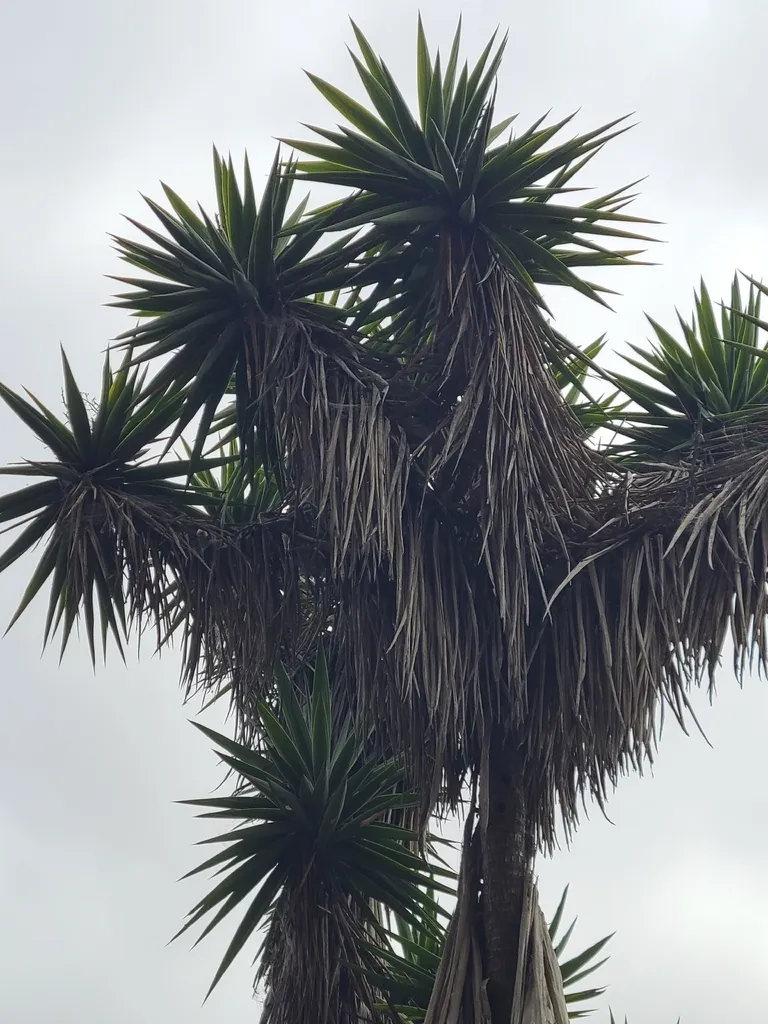
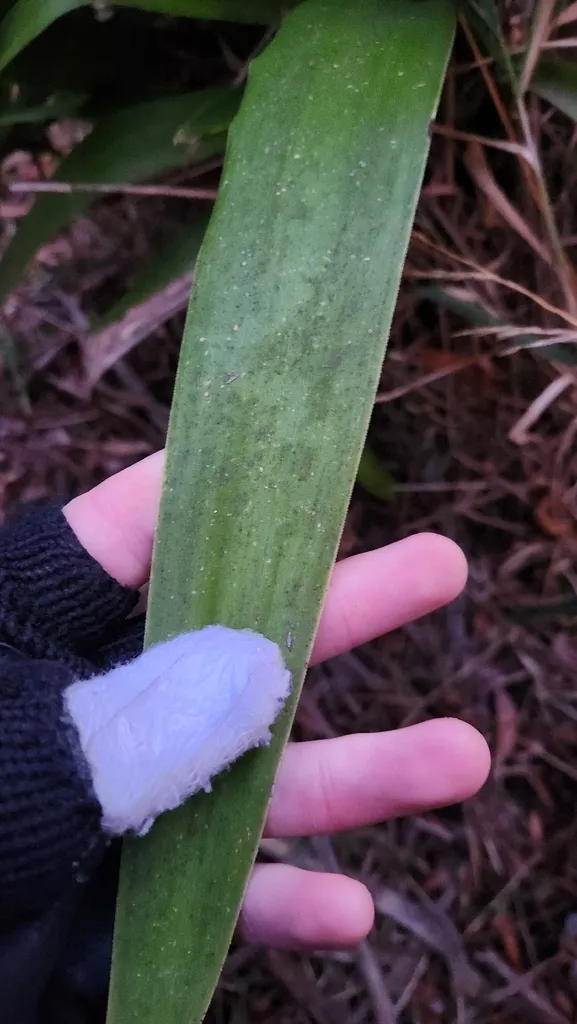
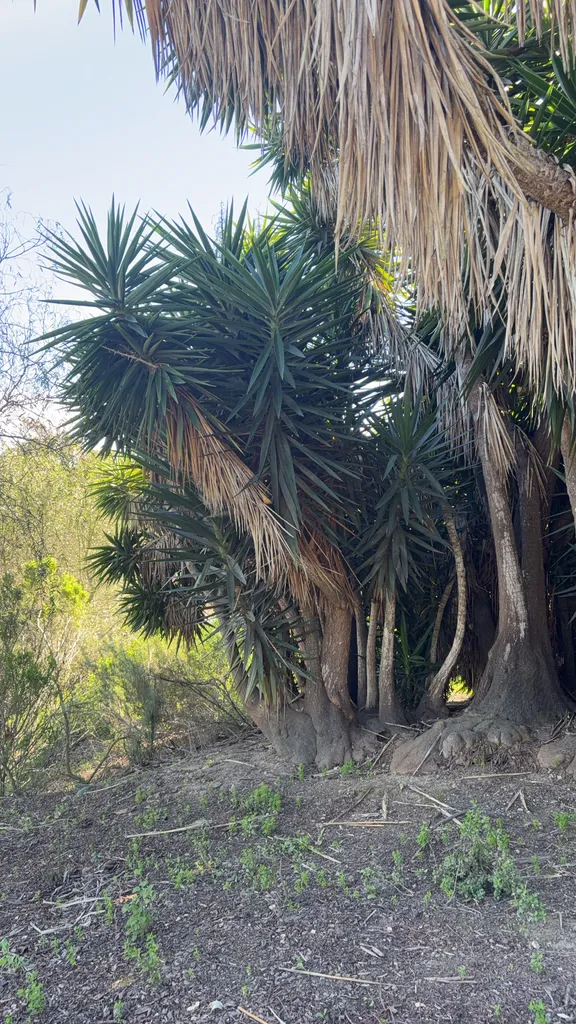
| Care difficulty | 2 / 5 |
|---|---|
| Watering schedule | Water thoroughly, then allow soil to dry out completely before next watering |
| Sunlight requirements | Full sun |
| Ideal temperature | 15 – 25 °C |
| Soil type | Loam · Sand |
| Soil pH | Neutral · Alkaline |
| Soil moisture | Well-drained |
| Fertilizing | Fertilize once in spring and once in summer with balanced fertilizer |
| Toxicity | Toxic if ingested; may cause mild gastrointestinal upset in pets and humans. |
How to Water Spineless yucca?
Originating from arid regions, spineless yucca is adapted to environments with infrequent rainfall, storing water efficiently within its structure. This species thrives on minimal hydration, exhibiting a high drought tolerance and preferring a dry soil between watering sessions. For optimal care, it's recommended to water spineless yucca once every 2-3 weeks, allowing the soil to dry out completely before rehydrating. As an evergreen plant commonly grown indoors due to its low water needs, spineless yucca benefits from occasional misting to replicate its preference for dry air with sporadic humidity.
Learn more →What Are the Sunlight Requirements for Spineless yucca?
Spineless yucca thrives in partial sun conditions where it receives bright, indirect light for several hours a day. Despite this preference, it is quite adaptable, tolerating both full sun and full shade. In full sun, spineless yucca's growth can be more vigorous, and flowering potential may increase, though excessive direct exposure can lead to leaf scorch. In full shade, spineless yucca may exhibit leggy growth and reduced flowering. Indoors, spineless yucca should be placed near a window with filtered light. Outdoors, spineless yucca performs best when planted in areas that offer protection from the intense midday sun. Adjusting to different light exposures, spineless yucca may alter leaf orientation or color to optimize light absorption.
Learn more →What Is the Ideal Temperature Range for Spineless yucca?

Spineless yucca displays notable resilience to temperature variations, withstanding conditions as cold as 0℃ (32℉) and heat up to 43℃ (109℉). This adaptability necessitates vigilance in extreme weather; in frost-prone areas, safeguard it from prolonged cold, and during heatwaves, ensure ample hydration and possibly shade. Symptoms of distress include browning or curling leaves in extreme cold, and yellowing or wilting in excessive heat. If overcooled, relocate spineless yucca to a warmer spot and reduce watering. For overheating, increase shade and humidity. These measures ensure spineless yucca thrives despite environmental extremes.
Learn more →What Soil Is Best for Spineless yucca?
The spineless yucca is not fussy when it comes to soil. While the most suitable soil would be well-drained and sandy, the plant can adapt to even a barren, rocky and gravel-filled wasteland. The plant easily adapts when it comes to acidity and alkalinity too, and will grow in any soil, apart from saline-alkali. Keep in mind that the plant is not resistant to waterlogging, especially in a flowerpot. For potting, a fertile, permeable, and well-drained garden soil should be used, with this mixed with coarse sand and perlite to facilitate drainage. This is the best way to encourage tender seedlings and abundant flowers. Generally, the soil should be loosened once every three or four months to ensure its permeability.
- Soil type
- Loam · Sand
- Soil pH
- Neutral · Alkaline
What Are the Moisture Requirements for Spineless yucca?
Well-drained
Learn more →How to Fertilize Spineless yucca?

For spineless yucca, utilize high nitrogen fertilizers to bolster growth. Fertilize monthly in spring and summer, tapering to bi-monthly or less in fall and winter. A light feeding, as per product guidelines, suffices. Fertilization enhances vigor, leaf brightness, and potential blooms. Avoid over-fertilization to prevent burn; dilute if uncertain. Adjust with spineless yucca's life stage—more as they grow, less as they mature. Wear gloves, apply to moist soil, and distribute evenly.
Learn more →How to Prune Spineless yucca?

Spineless yucca, known for its tall, elegant structure and spineless leaves, thrives with proper pruning. The optimal pruning time is later spring, promoting healthy growth and preventing disease. Remove dead or damaged leaves and trim the base to manage height and shape. Pruning also encourages fuller foliage and better sunlight penetration. For best results, use clean, sharp tools to avoid infection. Regular maintenance ensures spineless yucca's robust and attractive appearance.
Learn more →How to Propagate Spineless yucca?

Spineless yucca, a tropical species with sword-shaped leaves, can be easily propagated by taking stem cuttings. Use a sharp, clean knife to cut a healthy piece, and allow the cutting to dry slightly before planting to prevent rot. Insert the cutting into well-draining soil and maintain moderate moisture without saturating the soil to encourage rooting. Rooting hormone can be applied to the cut end to enhance root development.
Learn more →How to Transplant Spineless yucca?
Transplant spineless yucca during the peak of early summer, as this is the ideal time for the plant to establish itself. Ensure the location is well-drained and receives bright, indirect light. Gently loosen the root ball for healthier growth. Happy transplanting!
Learn more →How to Care for Spineless yucca in Winter?

Spineless yucca, indigenous to subtropical climates, naturally experiences mild winters. Regulated water intake and indirect sunlight facilitate its winter survival. Gardeners caring for spineless yucca should note that temperatures below 10°C (50°F) are unfavorable, and implement measures to limit its exposure to frost. It's a resilient type, but tempered care can ensure spineless yucca thrives even in colder months.
Learn more →How to Plant Spineless yucca?
Indoors-potted: When potted indoors, spineless yucca thrives with regular rotation to ensure even growth and prevent leaning towards light sources. Outdoors-potted: In outdoor pots, spineless yucca requires sufficient drainage to avoid root rot; a sheltered spot can protect its foliage from wind damage. Outdoors-in the ground: Spineless yucca, while drought-tolerant, benefits from occasional deep watering to establish a strong root system when planted in the ground.
Learn more →How to Repot Spineless yucca?
Repot spineless yucca in spring every 2-3 years to accommodate its robust growth; it can reach impressive sizes as a non-climbing, tall, tree-like plant. Select a large, sturdy container with ample room for expansion. Post-repot, ensure adequate drainage, and do not overwater. Maintain a friendly tone to guide gardeners towards successful spineless yucca care.
Learn more →How to Harvest Spineless yucca?

The spineless yucca usually blooms at night, between summer and fall, and has a long blooming time. The flowers of most plants are large, spectacular and fragrant, making them popular for flower arranging. Its leaves contain tough fibers that can be used to make ropes.
Learn more →Common Pests & Diseases

Diseases
Susceptible to leaf spot and root rot, especially in overwatered conditions.
Pests
May be attacked by scale insects and spider mites.
Explore the plant health library →Troubleshooting
Soft Black Basal Rot or Shriveling Stems
Spineless yucca (Yucca gigantea) is adapted to arid habitats and rots quickly if watered in cool weather or potted in moisture-retentive soil.
| What you notice | Possible explanation | What to check next |
|---|---|---|
| Base of the stem turns dark brown/black, soft, or mushy | Basal stem rot or root rot from overwatering, poor drainage, or cool damp winter conditions | Gently test stem firmness near the soil line with a blunt stick (avoiding spines) |
| Ribs or stem segments shrink and wrinkle deeply while soil is bone dry during warm growth | Dehydration during active spring-summer growth | Check soil dryness and confirm whether temperatures are warm |
| Corky tan scarring near the soil line without softness | Normal age-related corking supporting mature stems | Confirm the tissue is hard and dry rather than mushy |
- Use a gritty, sharply drained mineral cactus/succulent mix (with coarse sand, pumice, or grit) in a container with drainage holes.
- Water thoroughly only after the soil has dried completely during warm spring and summer growth, and keep nearly dry during cool winter dormancy.
- Place in very bright light or direct sun (acclimating gradually to intense summer sun to avoid bleached sunburn patches).
Stop watering immediately if soft black rot appears; cut well above decayed tissue with a sterile blade and let callous for several days before rooting.
Etiolated Thin Tips or Mealybugs/Scale
Low light causes narrow, pale new growth at tips, while mealybugs and scale hide in ribs and leaf axils.
| What you notice | Possible explanation | What to check next |
|---|---|---|
| New leaves grow narrow, pale, and weak, leaning toward windows | Insufficient bright light (etiolation) | Assess daily sun exposure at the window |
| White cottony tufts in ribs/areoles or crusty bumps on stems | Mealybugs or scale insects | Inspect stem ribs, graft union, or leaf bases closely |
- Move gradually into brighter light so new growth develops normal thickness and structure.
- Isolate pest-infested plants and dab visible mealybugs or scale with rubbing alcohol on a cotton swab.
- Prune out damaged or dead lower leaves/stems in spring with clean tools.
Keep Yucca gigantea away from pets, as steroidal saponins cause vomiting and drooling if chewed.
The Toxicity of Spineless yucca
Toxic if ingested; may cause mild gastrointestinal upset in pets and humans.