



Planting and Growing arum lily

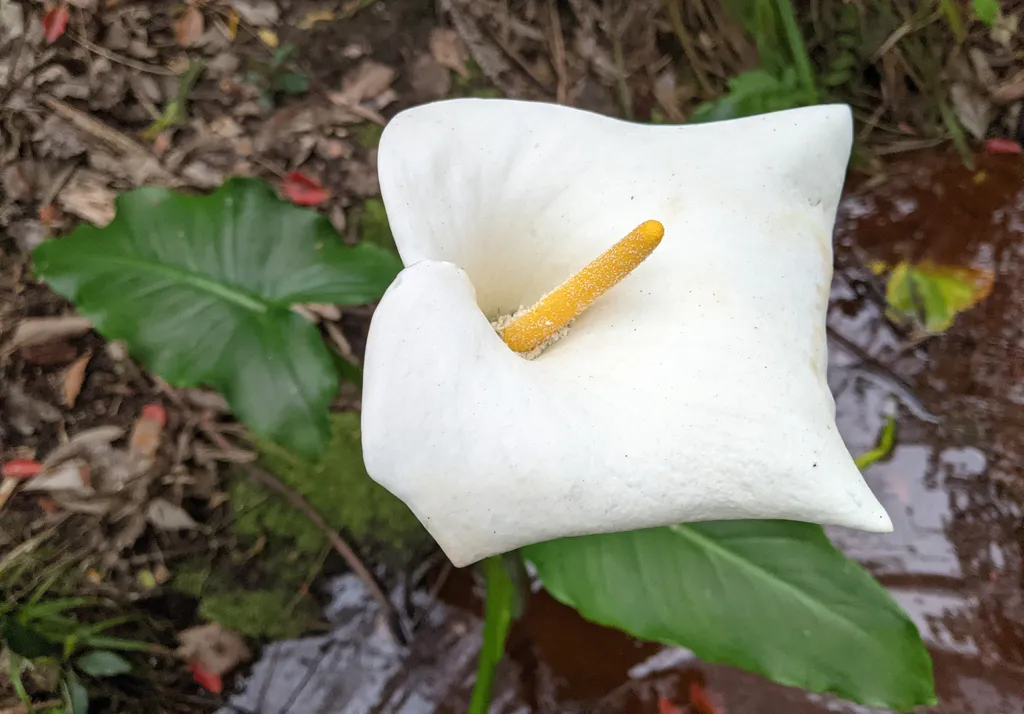
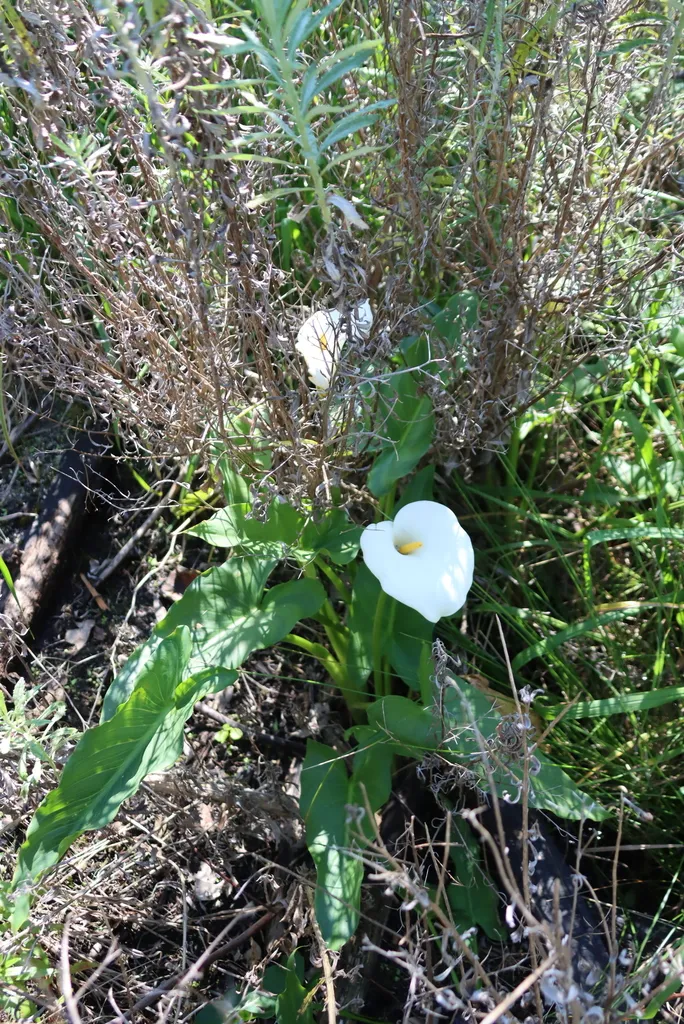
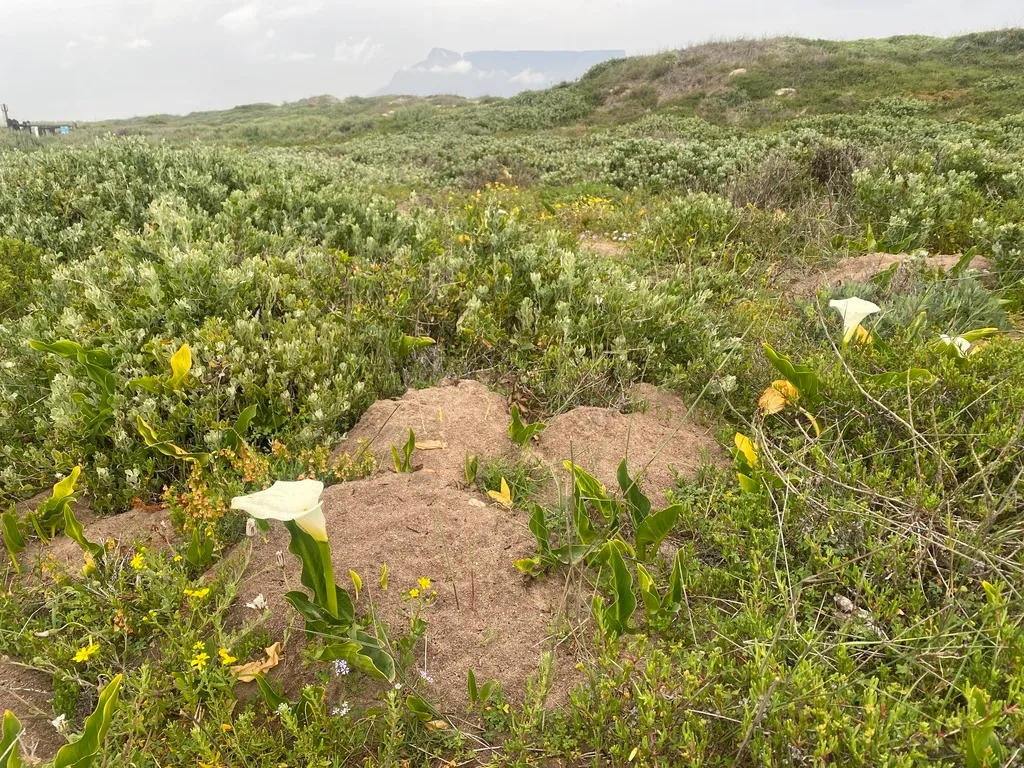
| Care difficulty | 2 / 5 |
|---|---|
| Watering schedule | Keep soil consistently moist, can tolerate brief shallow standing water |
| Sunlight requirements | Full sun · Partial shade |
| Ideal temperature | 15 – 25 °C |
| Soil type | Sand · Chalk |
| Soil pH | Acid · Alkaline · Neutral |
| Soil moisture | Poorly drained |
| Fertilizing | Diluted aquatic flowering feed every three weeks in warm seasons |
| Toxicity | Harmful if eaten; skin/eye irritant. Wear gloves and other protective equipment when handling |
How to Water arum lily?
Thriving in its native wetlands, calla lily has adapted to environments with high moisture levels, displaying a preference for consistent hydration. Its water habits are marked by an affinity for humidity and moderate drought tolerance. For optimal growth, calla lily should be watered every week. As a plant that flourishes both indoors and outdoors, calla lily is particularly noted for its bulbous nature which allows it to store water efficiently, making it well-suited to withstand varying watering schedules while maintaining its striking flowering display.
Learn more →What Are the Sunlight Requirements for arum lily?
Calla lily flourishes in partial sunlight where it receives diffused, bright light. This level of illumination is pivotal for robust growth and optimal flowering. While calla lily demonstrates tolerance to full sunlight and full shade, such variations may impact its vitality. In full sun, calla lily's growth could be stunted, and leaf scorch can occur, whereas in full shade, flowering may be reduced, and the plant could exhibit leggy growth. Its leaves might adjust to varying light by altering orientation or pigmentation to mitigate stress. When grown outdoors, calla lily best thrives in a location that mirrors its native habitat, with morning sun and afternoon shade. Indoors, calla lily should be positioned to receive bright, indirect light, such as near a north-facing window.
Learn more →What Is the Ideal Temperature Range for arum lily?

Calla lily demonstrates a remarkable ability to endure temperature variations, tolerating cold down to around 0℃ (32℉) and heat up to 43℃ (109℉). This resilience allows calla lily to thrive in diverse climates, though protective measures are essential during extreme temperature events. In cold conditions, symptoms like leaf yellowing or drooping may surface, whereas overheating often leads to wilting or scorched leaf tips. To counteract overcooling, insulate with mulch or bring the plant indoors. For overheating, ensure ample hydration and shade. Understanding these tolerances ensures optimal care for calla lily, making it a robust choice for many environments.
Learn more →What Soil Is Best for arum lily?
Calla lily thrives in well-aerated, well-draining soil. A suitable soil mix is 1 part potting mix to 1 part coarse sand or perlite, ensuring good drainage to prevent water-logging. If sand or perlite is unavailable, pumice or small gravel can substitute. Incorporate a slow-release fertilizer during planting to enhance growth. Avoid overly dense garden soil unless amended for better aeration.
- Soil type
- Sand · Chalk
- Soil pH
- Acid · Alkaline · Neutral
What Are the Moisture Requirements for arum lily?
Poorly drained
Learn more →How to Fertilize arum lily?

For calla lily, a balanced, high-phosphorus fertilizer promotes robust blooms and overall health. Apply every 4 weeks during growing season, at half the recommended strength to avoid over-fertilization. Cease in fall and winter. Gradually increase dilution for young or recently transplanted calla lilys, and remember, less is more to prevent root burn.
Learn more →How to Prune arum lily?

Calla lily is an elegant plant known for its trumpet-shaped flowers and rich green foliage. To prune calla lily, remove spent blooms and yellowing leaves to promote new growth and maintain plant health. Perform pruning in early to later spring, timing alongside the natural growth cycle. Pruning helps improve air circulation, reduce disease risk, and enhance flowering. Regular maintenance ensures calla lily thrives, providing vibrant blooms throughout the growing season.
Learn more →How to Propagate arum lily?

Calla lily, a perennial flowering plant known for its showy spathes, thrives in moist, well-drained soils and requires indirect sunlight to partial shade for optimal growth. Propagation is most effectively achieved through division, a practical process ideally performed in the spring. Gardeners should carefully separate and replant the rhizomes, ensuring each section has at least one growth point. Regular watering and fertilization after replanting will encourage robust development. With proper care, calla lily can become a captivating addition to water gardens or as a focal plant in borders.
Learn more →How to Transplant arum lily?
Transplant calla lily ideally during the awakening months of early to mid-spring, as it ensures optimal growth. Choose a location with well-draining soil and partial to full sun exposure. Remember to space them properly to encourage healthy development. Happy transplanting!
Learn more →How to Care for arum lily in Winter?

Calla lily, native to South Africa, thrives in moderate climates. Its cycle of dormancy during winter reflects a natural adjustment to cooler temperatures. In regions lacking mild winters, calla lily needs indoor care to sustain its vitality. Gardeners should provide a cool, dry environment mimicking calla lily's native wintering conditions. Both light and regular watering are essential, yet minimal, to keep calla lily healthy during this period. With the correct winter care, calla lily will bloom beautifully come spring.
Learn more →How to Plant arum lily?
Indoors-potted: Thriving indoors, calla lily appreciates elevated humidity levels to keep its elegant foliage healthy and vibrant. Outdoors-potted: When potted outdoors, calla lily benefits from sheltered positioning to protect its delicate blooms from harsh elements. Outdoors-in the ground: In garden soil, calla lily requires good drainage to prevent root rot yet enough moisture retention for continuous growth.
Learn more →How to Repot arum lily?
Repot calla lily annually, preferably in spring as it enters its growth phase. Being an herbaceous perennial, it requires a roomy pot to accommodate its sturdy root system. Choose a container one size larger with ample drainage. After repotting, maintain evenly moist soil and partial sunlight. These care points ensure the elegant, trumpet-shaped blooms of calla lily thrive. Friendly reminder: handle with love for best results!
Learn more →How to Harvest arum lily?

If fresh cut flowers are needed, harvest them before the spathes fully grow and expand. This can maximize vase life. They should be cut off from the base of the plant and inserted into the vase with clean water to avoid water loss. The vase life is usually 4-8 days.
Learn more →Common Pests & Diseases

Diseases
May be susceptible to fungal and bacterial rots and a virus
Pests
May be susceptible to aphids or thrips
Explore the plant health library →Troubleshooting
Yellowing Leaves, Dormancy Dieback, or Underground Rot
arum lily (Zantedeschia aethiopica) grows from thick fleshy rhizomes with distinct active and resting phases; distinguish natural seasonal dormancy from waterlogged rot.
| What you notice | Possible explanation | What to check next |
|---|---|---|
| Leaves turn yellow and die back after blooming or at season's end while underground storage organs remain firm | Normal post-bloom or seasonal dormancy as energy returns underground | Gently feel the crown or rhizome/bulb top to verify it is hard and dry rather than mushy |
| Leaves yellow prematurely and collapse with a soft, foul-smelling base | Basal rot or rhizome rot caused by waterlogged soil during cool weather or dormancy | Check drainage and inspect underground storage organs for soft decay |
| Foliage yellows and collapses with slimy, foul-smelling rhizome decay | Bacterial soft rot or fungal root rot in warm stagnant water or poorly drained heavy soil | Check rhizome firmness and water circulation |
- Keep green foliage growing after flowering—continuing light watering and feeding until leaves yellow naturally—so underground storage organs recharge for next season.
- Reduce watering sharply once foliage yellows into dormancy, keeping dormant storage organs frost-free.
- Grow in fertile, moisture-retentive soil or as a pond marginal plant up to 30 cm (12 inches) deep in full sun or partial shade, protecting rhizomes from hard freezes.
Discard bulbs, corms, or rhizomes with soft, foul-smelling rot immediately so disease does not spread.
Wear gloves when dividing Zantedeschia rhizomes, as sap contains irritating calcium oxalate crystals.
Spider Mites, Aphids, or Leaf Scorch
Warm indoor rooms and dry summer heat can invite spider mites or scorch leaves if moisture and light fluctuate abruptly.
| What you notice | Possible explanation | What to check next |
|---|---|---|
| Fine webbing, pale stippling, or bronzed leaf undersides | Spider mites or aphids, especially in warm dry indoor/conservatory air | Inspect leaf undersides closely and wipe with a damp cloth |
| Dry brown leaf margins or bleached patches | Low ambient humidity, dry soil during peak heat, or sudden direct midday sun | Check soil moisture and afternoon shade protection |
- Water consistently during warm active growth and maintain good humidity around indoor or container specimens.
- Isolate pest-affected containers, rinse leaf undersides gently with water, and treat persistent spider mites or aphids with insecticidal soap per label instructions.
- Divide overcrowded rhizomes or corms in spring as new growth resumes.
Ensure containers have open drainage holes and never sit in stagnant water during cool weather.
The Toxicity of arum lily
Harmful if eaten; skin/eye irritant. Wear gloves and other protective equipment when handling