
arum lily
Also known as: altar lily; calla lily; richardia; trumpet lily; white arum lily; African lily; Egyptian lily; lily of the Nile
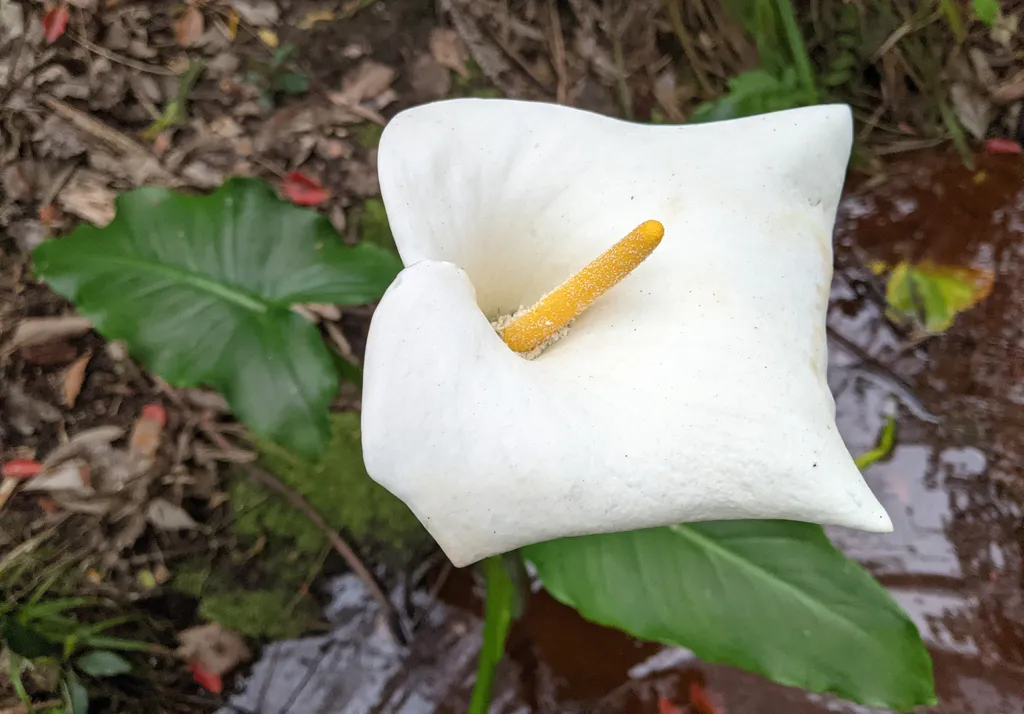
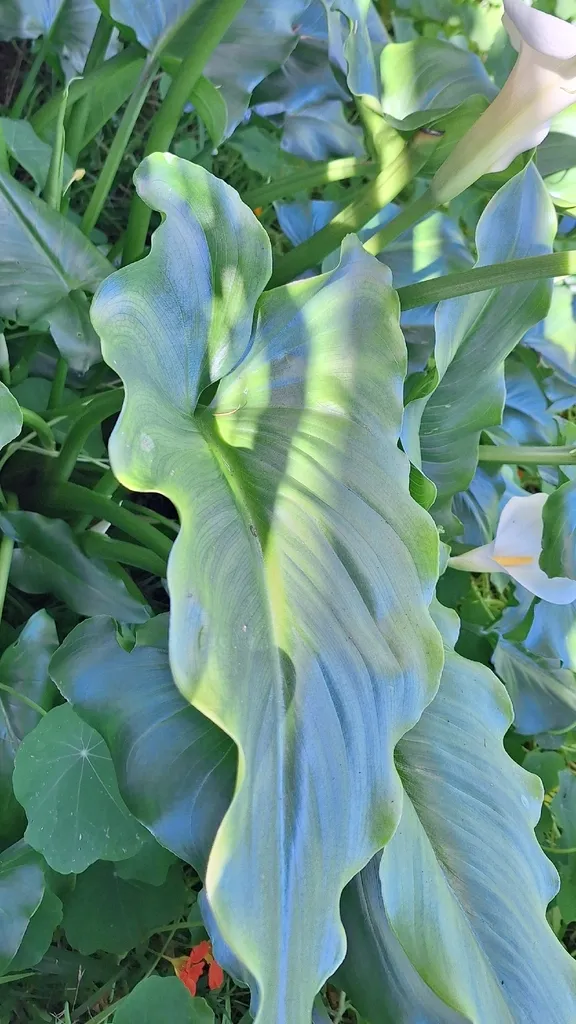
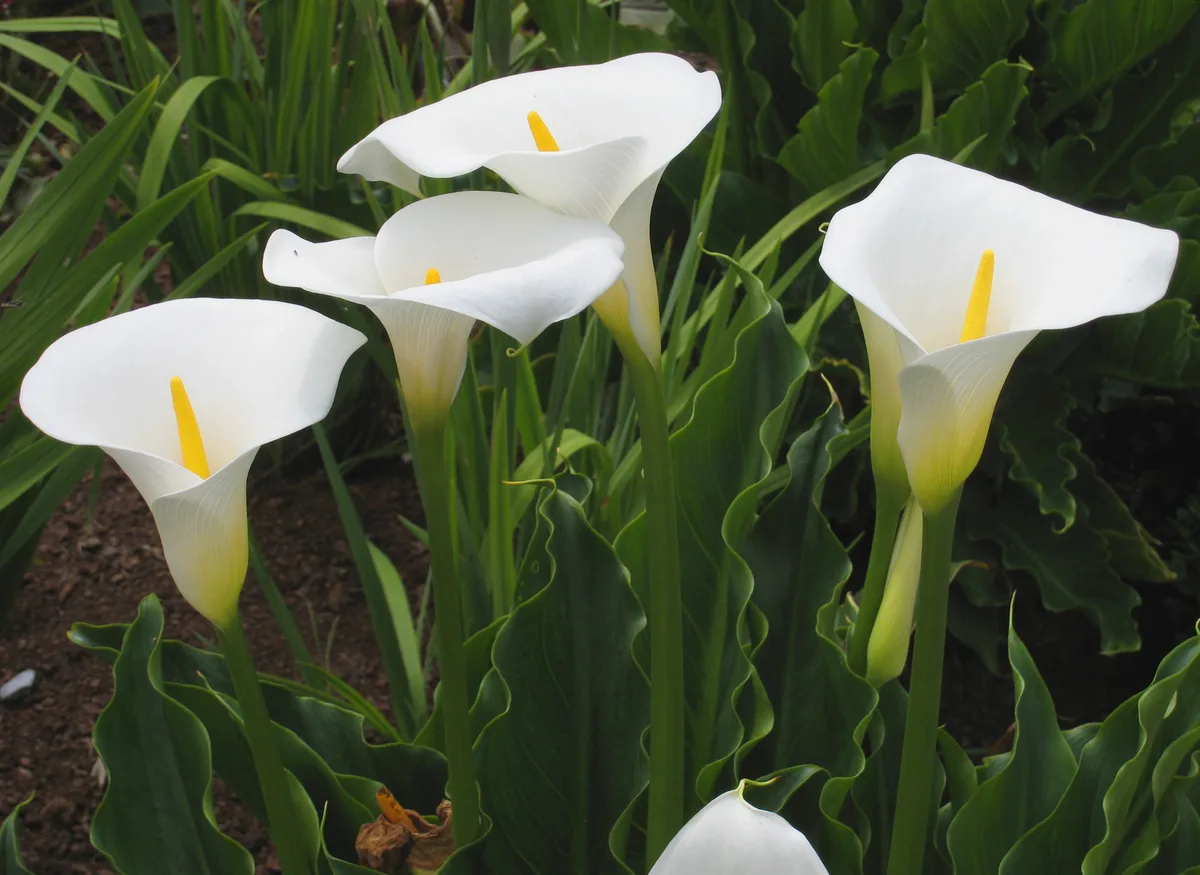
A clump-forming herbaceous or semi-evergreen perennial with erect, long-stalked, dark glossy green, arrow-shaped leaves to 40cm in length and funnel-shaped white spathes to 25cm in length, with yellow spadices
Scientific classification
- Species
- arum lily (Zantedeschia aethiopica)
- Genus
- Zantedeschia
- Family
- Araceae
- Order
- Alismatales
- Class
- Magnoliopsida
- Phylum
- Tracheophyta
- Harmful if eaten; skin/eye irritant. Wear gloves and other protective equipment when handling
- Toxicity
- Aquatic · Herbaceous Perennial · Bogs
- Plant type
- 0.5-1 metres
- Height
- 0.1-0.5 metres
- Spread
- Deciduous
- Foliage
- Clump forming
- Habit
- Spring · Summer · Autumn
- Season of interest
- Full sun · Partial shade
- Sunlight
- 15 – 25 °C
- Ideal temperature









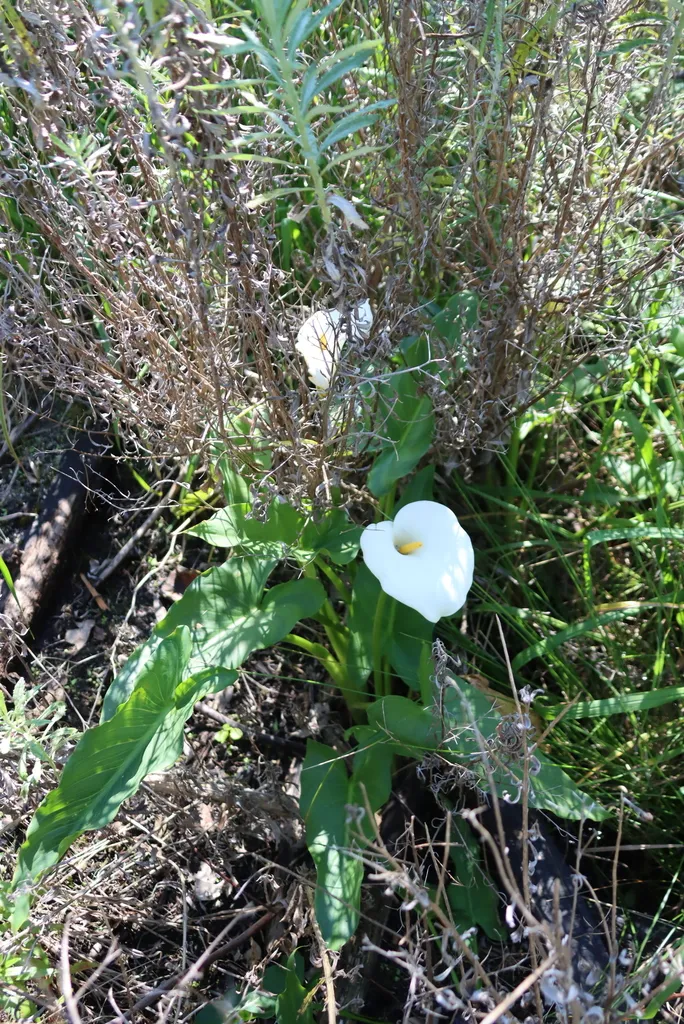
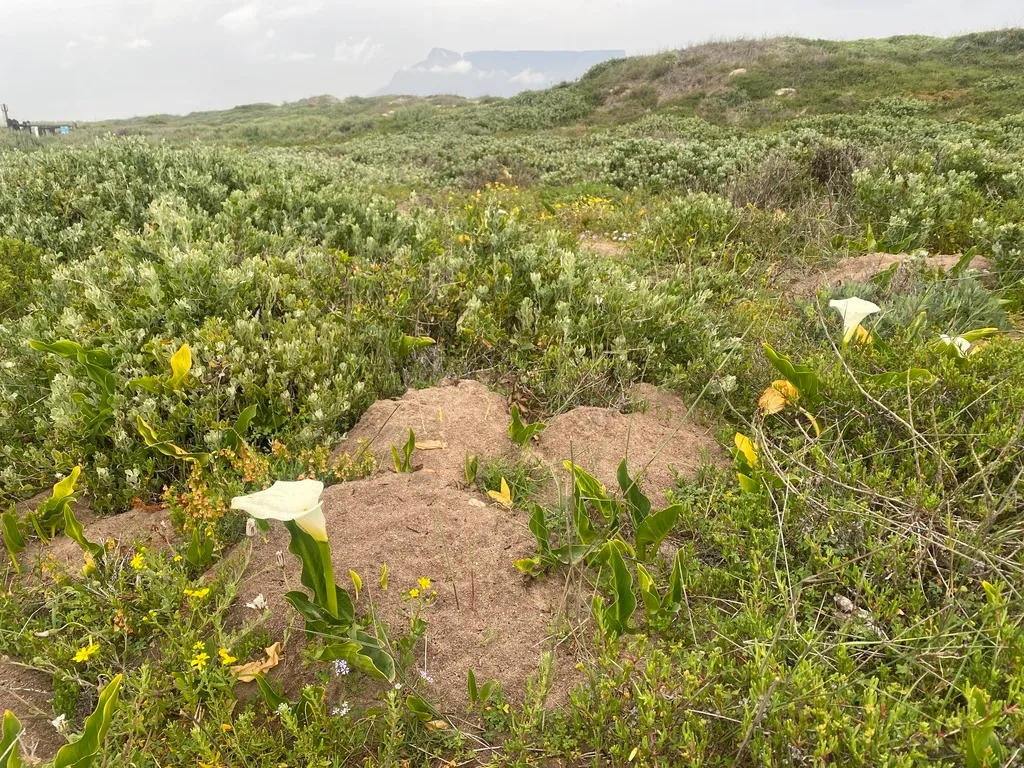
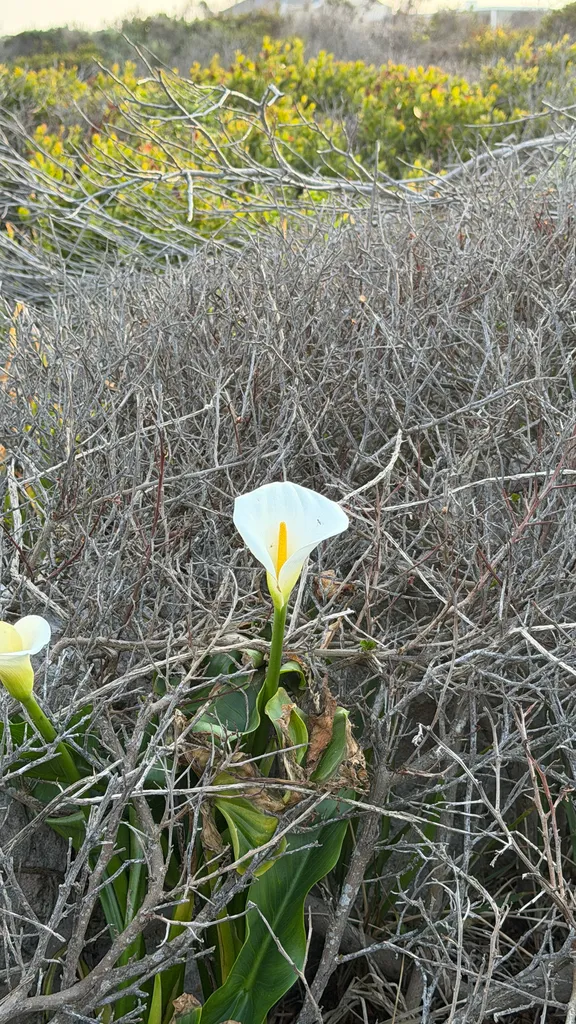
arum lily pictures
Distribution of arum lily
Distribution map
- Native
- Introduced
- Cultivated
Source:WCVP v16 · Royal Botanic Gardens, Kew · CC BY 3.0 · Boundaries:WGSRPD / TDWG
Toxicity
Harmful if eaten; skin/eye irritant. Wear gloves and other protective equipment when handling
arum lily care guide
- Keep soil consistently moist, can tolerate brief shallow standing water
- Watering
- Full sun · Partial shade
- Sunlight
- 15 – 25 °C
- Ideal temperature

Watering
Keep soil consistently moist, can tolerate brief shallow standing water
Fertilizing
 Fertilizing
Diluted aquatic flowering feed every three weeks in warm seasons
Pruning
 Pruning
Tidy any foliage blackened by frosts
Propagation
 Propagation
Propagate by division in spring
Growing
 Growing
Grow outdoors in full sun or part shade in moisture-retentive soil; in containers planted in JI No2 potting compost or can also be grown as a marginal plant in water up to 30cm (1ft) deep. Use aquatic compost and a 30cm (1ft) deep planting basket. See Zantedeschia cultivation
Common pests and diseases
Diseases
May be susceptible to fungal and bacterial rots and a virus
Pests
May be susceptible to aphids or thrips
Explore the plant health library →




