



Planting and Growing cherry (sweet) 'Kordia'

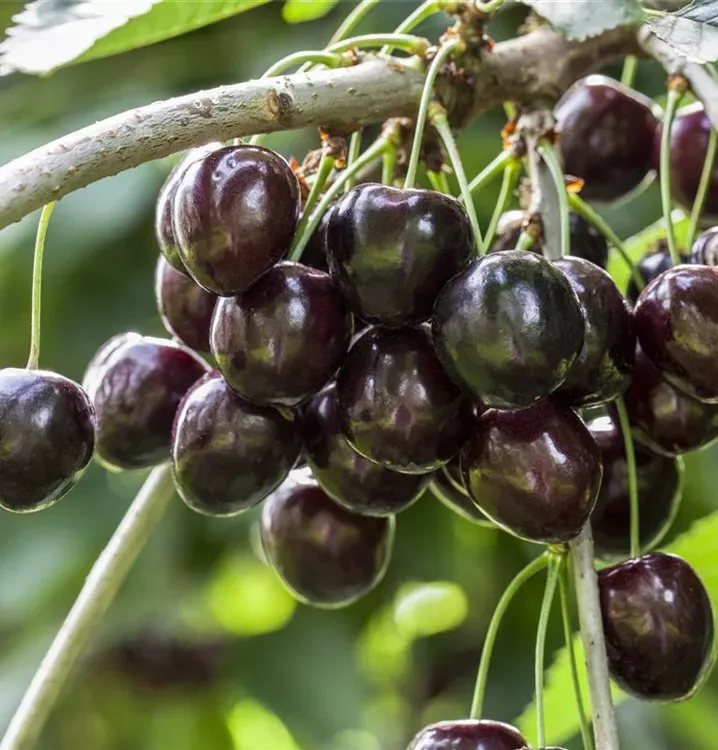
| Care difficulty | 2 / 5 |
|---|---|
| Watering schedule | Deep watering during dry spells, let surface soil partly dry between sessions |
| Sunlight requirements | Full sun |
| Ideal temperature | Information to be completed |
| Soil type | Clay · Loam · Sand |
| Soil pH | Acid · Alkaline · Neutral |
| Soil moisture | Moist but well drained · Well drained |
| Fertilizing | Balanced tree feed applied once every early spring growth cycle |
| Toxicity | Information to be completed |
How to Water cherry (sweet) 'Kordia'?
Deep watering during dry spells, let surface soil partly dry between sessions
Learn more →What Are the Sunlight Requirements for cherry (sweet) 'Kordia'?
Full sun
Learn more →What Soil Is Best for cherry (sweet) 'Kordia'?
- Soil type
- Clay · Loam · Sand
- Soil pH
- Acid · Alkaline · Neutral
What Are the Moisture Requirements for cherry (sweet) 'Kordia'?
Moist but well drained · Well drained
Learn more →How to Fertilize cherry (sweet) 'Kordia'?

Balanced tree feed applied once every early spring growth cycle
Learn more →How to Prune cherry (sweet) 'Kordia'?

Train fan-trained trees in spring. Prune established fans and carry out routine pruning on established cherry trees when harvesting the fruits in summer
Learn more →How to Propagate cherry (sweet) 'Kordia'?

Propagate by chip budding or grafting onto clonal rootstock for fruit. Named varieties will not come true from seed
Learn more →How to Plant cherry (sweet) 'Kordia'?
The ideal position for sweet cherries is deep, fertile, well-drained, slightly acid soil in full sun. Cherries are best suited to fan-training so they can be netted against bird damage and the early blossom protected from frosts, though they can also be grown as small, open trees. See sweet cherry cultivation
Learn more →Common Pests & Diseases

Diseases
May be susceptible to peach leaf curl, silver leaf, bacterial canker, blossom wilt and honey fungus
Pests
Protect trees from birds that can damage buds and eat fruit. May suffer from cherry blackfly and other aphids, leaf-mining moths, pear and cherry slugworm, winter moth and other caterpillars. Spotted-wing drosophila, a fruit fly, is likely to become an increasing problem
Explore the plant health library →