



Planting and Growing Mexican hens

| Care difficulty | 3 / 5 |
|---|---|
| Watering schedule | Water thoroughly then wait complete upper soil dryness before rewatering |
| Sunlight requirements | Full sun |
| Ideal temperature | 18 – 28 °C |
| Soil type | Loam · Sand |
| Soil pH | Acid · Alkaline · Neutral |
| Soil moisture | Well drained |
| Fertilizing | Highly diluted low-nitrogen succulent feed monthly warm growth period |
| Toxicity | Information to be completed |
How to Water Mexican hens?
Adapted to the arid conditions of its native habitat, mexican hens has evolved to store water efficiently, making it quite drought-tolerant. Its succulent leaves are indicative of its ability to retain moisture, allowing for a watering schedule that is less frequent than many other plants. For optimal health, mexican hens should be watered once every 2-3 weeks, ensuring the soil dries out between sessions. As an evergreen plant commonly grown indoors due to its decorative appeal and low maintenance, mexican hens thrives in well-draining soil and can be particularly sensitive to overwatering during its dormant winter period.
Learn more →What Are the Sunlight Requirements for Mexican hens?
Mexican hens thrives in full sun conditions, relishing the intense light to achieve optimal growth, vibrant coloration, and robust health. Geared towards a bright environment, mexican hens relishes ample sunlight for at least six hours per day. While capable of enduring partial sun, prolonged exposure to lower light levels can lead to subdued colors and stunted growth. Adaptations such as thick, fleshy leaves permit mexican hens to endure harsh sunlight by storing moisture. Ideally planted outdoors, mexican hens flourishes in spaces where direct sunshine is abundant. Indoors, proximity to south-facing windows can replicate ideal conditions, though typically, mexican hens is best showcased in outdoor garden settings.
Learn more →What Is the Ideal Temperature Range for Mexican hens?

Mexican hens is resilient to a wide range of temperatures, withstanding cold down to 0℃ (32℉) and heat up to 43℃ (109℉). However, this wide tolerance means care should be taken in extreme weather. During cold spells, frost protection is crucial. In extreme heat, ensure shading and regular watering. Symptoms of temperature stress include leaf discoloration or drop. If mexican hens becomes too cold, move it indoors or cover it; if it overheats, increase watering and provide shade. This adaptability makes mexican hens suitable for diverse environments, though protective measures are essential in harsh conditions.
Learn more →What Soil Is Best for Mexican hens?
Mexican hens thrives in well-aerated, porous soil that allows for quick water drainage, reducing the risk of root rot. A suitable soil mix includes three parts succulent & cactus soil combined with one part coarse sand or perlite. If succulent soil is unavailable, mix equal parts potting soil, coarse sand, and perlite. During the growing season, use a slow-release fertilizer to support growth. Ensure pots have drainage holes to facilitate soil aeration.
- Soil type
- Loam · Sand
- Soil pH
- Acid · Alkaline · Neutral
What Are the Moisture Requirements for Mexican hens?
Well drained
Learn more →How to Fertilize Mexican hens?

For healthy growth, mexican hens requires a balanced application of a Succulents and Cacti Food, which should be diluted to half-strength to avoid over-fertilization. This should be administered bi-monthly during the growing season (spring to early fall), tapering off in winter to allow rest. Adequate fertilization ensures robust growth and vibrant leaf color. Use caution to prevent fertilizer from contacting leaves, which can cause burns. Seasonal variations affect mexican hens's nutrient uptake; less is needed in dormant periods. Novice and experienced gardeners alike will find that a measured approach is key for this succulent's well-being.
Learn more →How to Prune Mexican hens?

In order to keep a beautiful shape, large succulent plants may need pruning. For example, for echeveria planted in the garden, redundant branches or branches that are too dense need to be cut off in spring and fall. This depends on the plant's purpose and your preference. Tools for pruning mainly include knives, scissors, and some medicines (such as sulfur powder). In order to propagate new plants, cut some leaves in spring and fall. Select a stout stem with 5-6 leaves. Cut it off with a knife, then smear the wound with sulfur powder, and plant it after the wound is healed. Slightly wet the soil used for planting.
Learn more →How to Propagate Mexican hens?

The succulent mexican hens is well-loved for its rosette form and eye-catching leaves. Propagation is most effectively achieved through the cutting method, where a leaf or a part of the stem is removed and left to callous for a few days before being placed on well-draining soil. Ensuring a warm and lightly moist environment facilitates rooting. Care should be taken to maintain high humidity without overwatering, which can support successful propagation of mexican hens.
Learn more →How to Transplant Mexican hens?
The ideal season to transplant mexican hens is early to late spring, or mid to late fall. This allows the plant to establish itself before extreme temperatures. Ensure a well-draining location with partial sun exposure. Gently loosen the roots during transplant for optimal growth.
Learn more →How to Plant Mexican hens?
Indoors-potted: Ensure your mexican hens has a well-draining container to prevent water retention that could lead to root rot. Outdoors-potted: Mexican hens thrive in outdoor pots with adequate drainage, allowing excess rainwater to escape and avoid damp conditions. Outdoors-in the ground: When planting mexican hens outdoors, choose a spot with natural shelter from harsh conditions to protect its delicate rosettes.
Learn more →How to Repot Mexican hens?
Repot mexican hens biennially to accommodate its compact rosette form. Best done in spring, this allows roots to establish in growth season. Choose a pot slightly larger than the previous, ensuring drainage. Post-repot, water sparingly to avoid rot, and provide bright, indirect light for a robust recovery. With these steps, mexican hens will flourish with minimal fuss.
Learn more →Common Pests & Diseases

Diseases
Generally disease-free
Pests
May be susceptible to mealybugs, vine weevil and aphids
Explore the plant health library →Troubleshooting
Mushy Lower Leaves, Crown Rot, and Winter Leaf Shedding
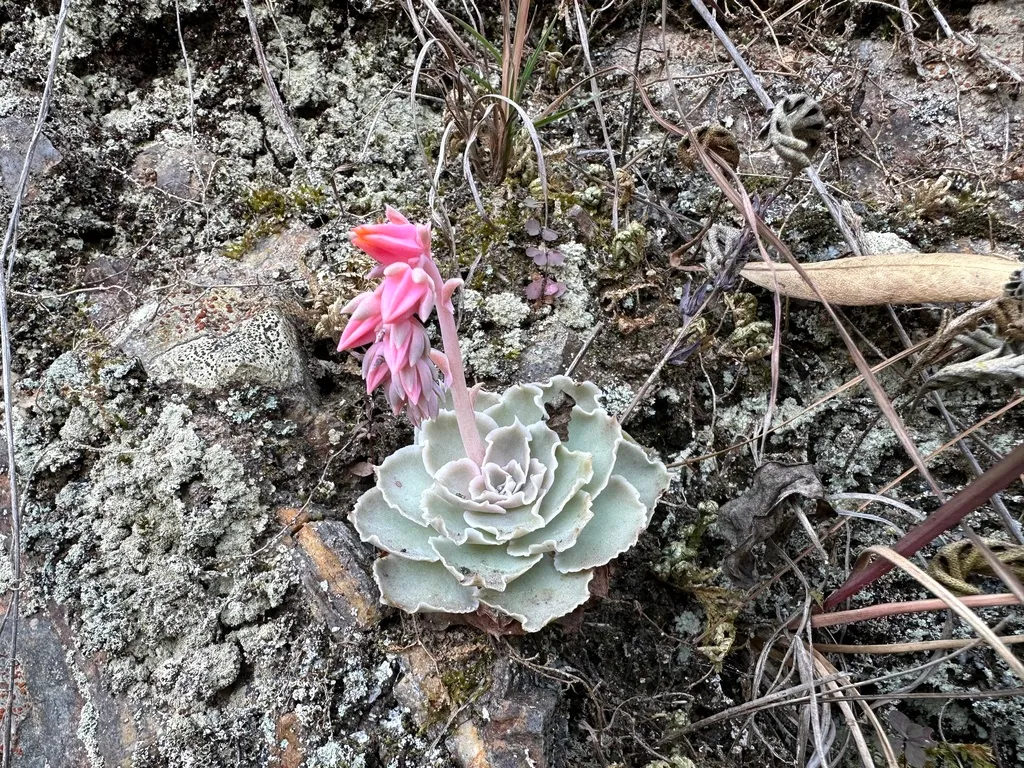
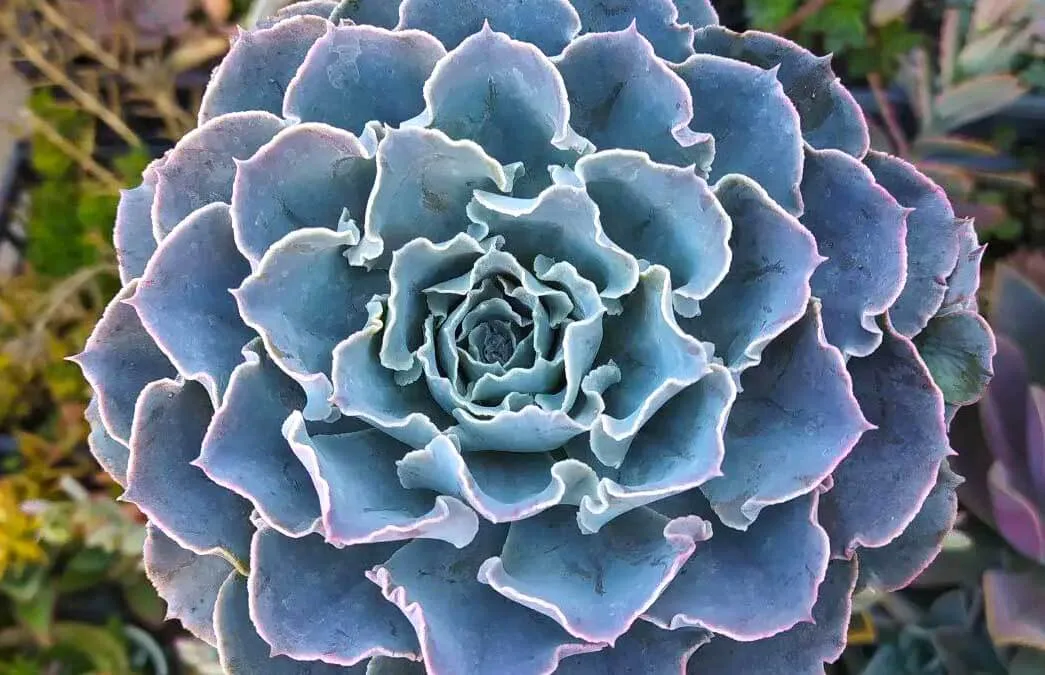
Echeveria shaviana (Mexican hens / pink frills) forms ruffled, cabbage-like rosettes of thin, powdery lavender-pink leaves that rot quickly if water collects inside the frilly folds or the potting mix stays soggy.
| What you notice | Possible explanation | What to check next |
|---|---|---|
| Lower ruffled leaves turn yellow, translucent, and mushy and detach at a touch while potting mix stays damp | Overwatering or poorly draining soil | Stop watering immediately, empty standing water, and inspect the stem base for black or brown soft rot. |
| Center rosette leaves turn black and mushy after overhead watering | Water trapped inside the ruffled crown folds causing fungal or bacterial rot | Blot water out of the frilly folds immediately and check whether firm outer leaves remain for propagation. |
| Outer bottom leaves dry to papery husks underneath a tight, compact winter rosette | Normal seasonal reabsorption of older outer leaves during cooler winter rest | Gently remove dry papery leaves underneath so mealybugs do not shelter there. |
- Water at the soil line beneath the ruffled rosette only after the gritty potting mix has dried out completely from top to bottom, keeping the leaves dry.
- Grow in a fast-draining cactus/succulent mix (high in pumice, perlite, or coarse grit) in a container with open drainage holes.
- If stem rot develops, cut the rosette top well above any dark tissue, let the cut callous for several days in a dry shaded spot, and re-root on dry grit mix.
Avoid touching the pale powdery wax (epicuticular farina) on the ruffled leaves, as it protects against sunburn and water loss and does not grow back once rubbed off.
Stretching Rosette (Etiolation) and Fading Pink Ruffled Margins
Tightly curled, lavender-pink ruffled leaves require at least 6 hours of bright sunlight and cool-to-moderate air circulation.
| What you notice | Possible explanation | What to check next |
|---|---|---|
| Rosette opens flat, ruffles smooth out, leaves turn pale green, and stem elongates | Insufficient direct sunlight (etiolation) | Move the plant gradually to a bright south- or west-facing window or sunny outdoor spot. |
| White cottony tufts hide between the tightly ruffled leaves | Mealybugs | Isolate the plant immediately and remove mealybugs carefully with a damp cotton swab. |
- Provide at least 6 hours of bright direct or strong filtered sunlight daily (acclimating gradually to avoid sunburn).
- Water sparingly in winter when the rosette naturally tightens and slows growth, and avoid heavy fertilizers.
- Echeveria shaviana is listed as non-toxic to cats and dogs by the ASPCA.
Propagate healthy detached leaves or stem offsets (pups) in spring or autumn on dry-to-lightly-moist gritty succulent mix.