



Planting and Growing peach 'Avalon Pride'

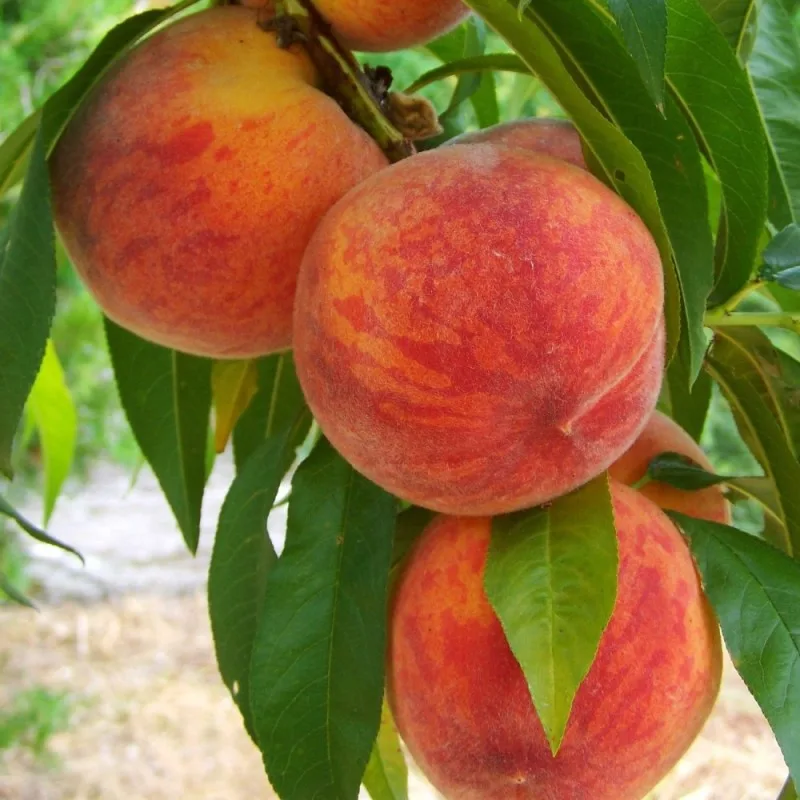
| Care difficulty | 2 / 5 |
|---|---|
| Watering schedule | Deep watering during dry spells, allowing slight surface drying between soakings |
| Sunlight requirements | Full sun |
| Ideal temperature | Information to be completed |
| Soil type | Chalk · Loam · Sand |
| Soil pH | Acid · Alkaline · Neutral |
| Soil moisture | Moist but well drained |
| Fertilizing | Balanced shrub or tree feed once each early spring |
| Toxicity | Information to be completed |
How to Water peach 'Avalon Pride'?
Deep watering during dry spells, allowing slight surface drying between soakings
Learn more →What Are the Sunlight Requirements for peach 'Avalon Pride'?
Full sun
Learn more →What Soil Is Best for peach 'Avalon Pride'?
- Soil type
- Chalk · Loam · Sand
- Soil pH
- Acid · Alkaline · Neutral
What Are the Moisture Requirements for peach 'Avalon Pride'?
Moist but well drained
Learn more →How to Fertilize peach 'Avalon Pride'?

Balanced shrub or tree feed once each early spring
Learn more →How to Prune peach 'Avalon Pride'?

Prune established fans in spring and summer. Free standing peaches are pruned in the same way as pruning acid cherries
Learn more →How to Propagate peach 'Avalon Pride'?

Peaches are usually propagated by grafting onto rootstocks for fruit. They can be propagated from seed, although the fruit from the seedlings is likely to be inferior in flavour to the parent, and seed-raised trees take four to five years to bear fruit
Learn more →How to Plant peach 'Avalon Pride'?
Plant in a sunny, sheltered site with moist but well-drained, fertile soil, away from frost pockets. Can be grown as a standard or bush in milder areas, or fan-trained against a south-facing wall; final size will depend on the rootstock used. Peach blossom is early, so flowers may need protection from frost.
Learn more →Common Pests & Diseases

Diseases
May be susceptible to silver leaf, honey fungus, bacterial canker and brown rot. This cultivar has some resistance to peach leaf curl, cover in winter to provide further protection from infection
Pests
May be susceptible to aphids and caterpillars, birds and squirrels can damage fruit
Explore the plant health library →