



Planting and Growing Paeonia 'Diana Parks'

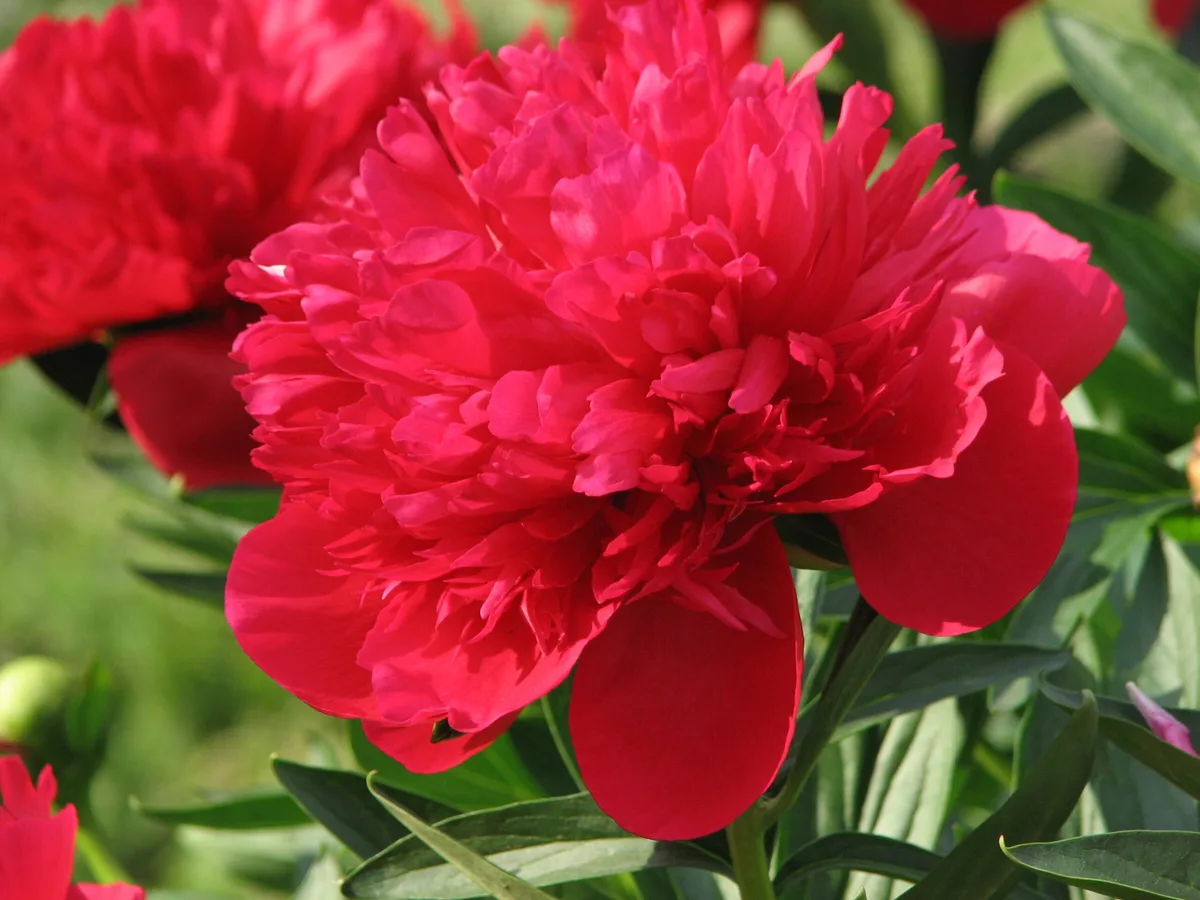
| Care difficulty | 2 / 5 |
|---|---|
| Watering schedule | Steady mild soil moisture, drastically reduce water in winter |
| Sunlight requirements | Full sun · Partial shade |
| Ideal temperature | Information to be completed |
| Soil type | Chalk · Clay · Loam |
| Soil pH | Acid · Alkaline · Neutral |
| Soil moisture | Moist but well drained |
| Fertilizing | Bone meal plus balanced feed twice yearly pre-spring and post-bloom |
| Toxicity | Information to be completed |
How to Water Paeonia 'Diana Parks'?
Steady mild soil moisture, drastically reduce water in winter
Learn more →What Are the Sunlight Requirements for Paeonia 'Diana Parks'?
Full sun · Partial shade
Learn more →What Soil Is Best for Paeonia 'Diana Parks'?
- Soil type
- Chalk · Clay · Loam
- Soil pH
- Acid · Alkaline · Neutral
What Are the Moisture Requirements for Paeonia 'Diana Parks'?
Moist but well drained
Learn more →How to Fertilize Paeonia 'Diana Parks'?

Bone meal plus balanced feed twice yearly pre-spring and post-bloom
Learn more →How to Prune Paeonia 'Diana Parks'?

Cut back to ground level in autumn, to remove dead foliage and reduce the risk of disease
Learn more →How to Propagate Paeonia 'Diana Parks'?

Propagate by division, lifting and dividing established clumps in autumn
Learn more →How to Plant Paeonia 'Diana Parks'?
Grow in deep, rich, well-drained soil, ideally in full sun but will tolerate light shade. Will not tolerate waterlogging. Flowers may need support, see staking perennials. See herbaceous peony cultivation for more detailed advice
Learn more →Common Pests & Diseases

Diseases
May be susceptible to a virus, honey fungus, Verticillium wilt, peony leaf blotch and peony wilt
Pests
May be susceptible to leaf and bud eelworm and swift moth caterpillar
Explore the plant health library →