



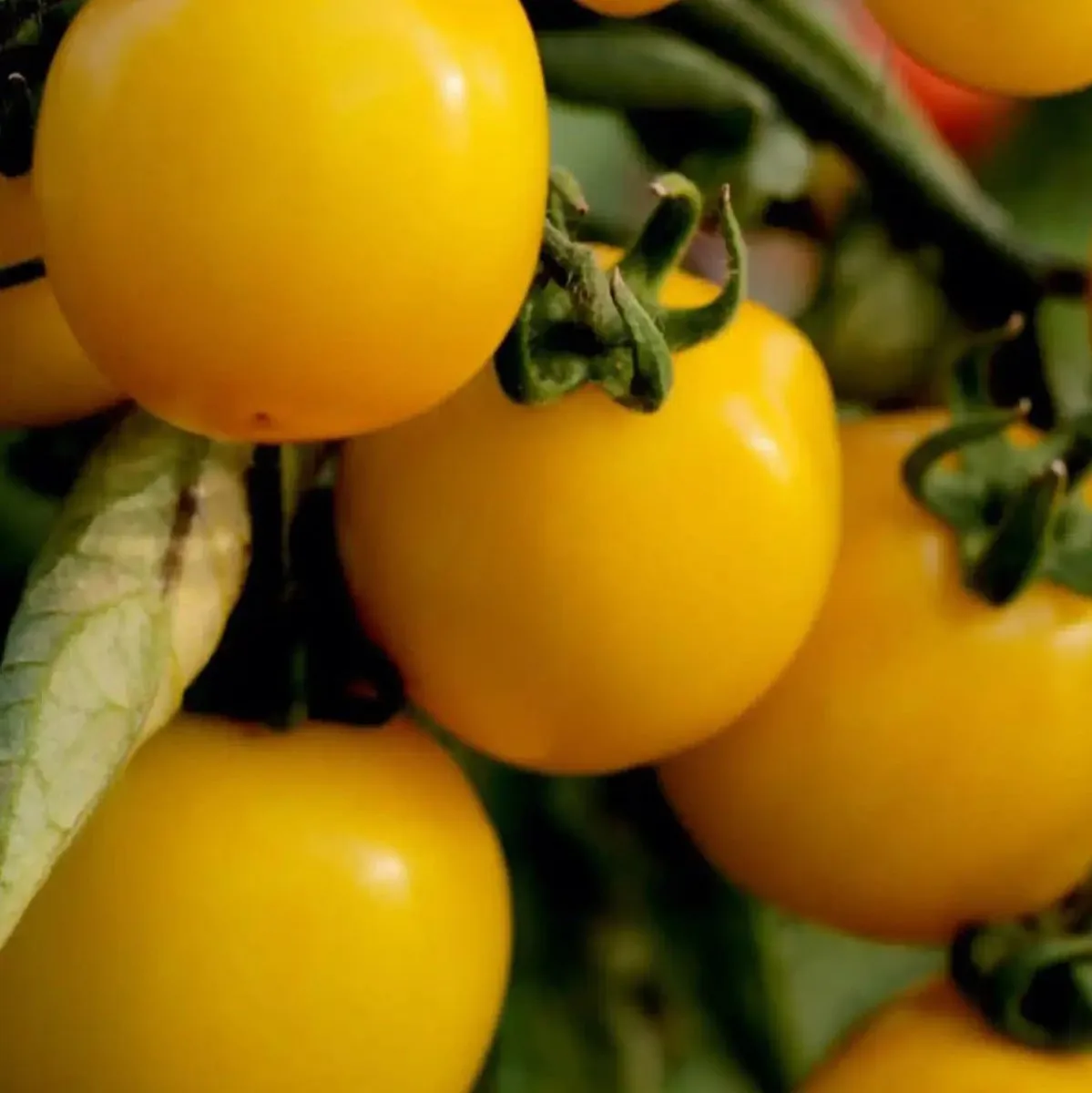
Planting and Growing tomato 'Golden Sunrise'

| Care difficulty | 3 / 5 |
|---|---|
| Watering schedule | Keep moisture even through flowering and fruiting, avoiding hard dry swings |
| Sunlight requirements | Full sun |
| Ideal temperature | Information to be completed |
| Soil type | Loam |
| Soil pH | Acid · Neutral |
| Soil moisture | Moist but well drained |
| Fertilizing | Tomato or pepper feed every one to two weeks in fruiting season |
| Toxicity | Information to be completed |
How to Water tomato 'Golden Sunrise'?
Keep moisture even through flowering and fruiting, avoiding hard dry swings
Learn more →What Are the Sunlight Requirements for tomato 'Golden Sunrise'?
Full sun
Learn more →What Soil Is Best for tomato 'Golden Sunrise'?
- Soil type
- Loam
- Soil pH
- Acid · Neutral
What Are the Moisture Requirements for tomato 'Golden Sunrise'?
Moist but well drained
Learn more →How to Fertilize tomato 'Golden Sunrise'?

Tomato or pepper feed every one to two weeks in fruiting season
Learn more →How to Prune tomato 'Golden Sunrise'?

Pinch out the growing tip when the plant has reached the desired height, either reaching the top of the greenhouse or support, or when the plant has set seven trusses indoors or four trusses outdoors. Regularly remove all side shoots
Learn more →How to Propagate tomato 'Golden Sunrise'?

Propagate by seed. See sowing vegetable seeds or sowing seeds indoors for further advice
Learn more →How to Plant tomato 'Golden Sunrise'?
Start from seed or buy as small plants and grow on, in a heated greenhouse or on a warm windowsill. Move to an unheated greenhouse or outside once all risk of frost has passed, and provide support. Keep the growing media evenly moist; inconsistent watering can lead to splitting and rot. Feed every 10-14 days. See advice on cultivating tomatoes for more detail
Learn more →Common Pests & Diseases

Diseases
May be susceptible to honey fungus (rarely), tomato blight, tomato leaf mould, tomato leaf or stem problems
Pests
May be susceptible to aphids and whitefly
Explore the plant health library →