



Planting and Growing curtain fig

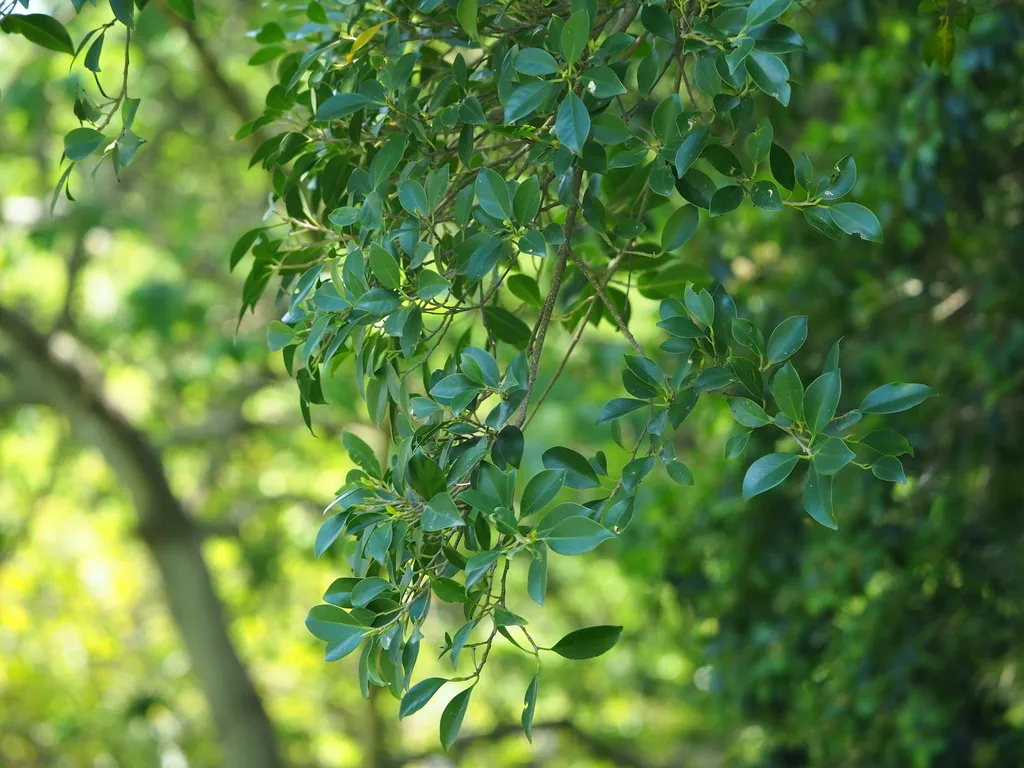
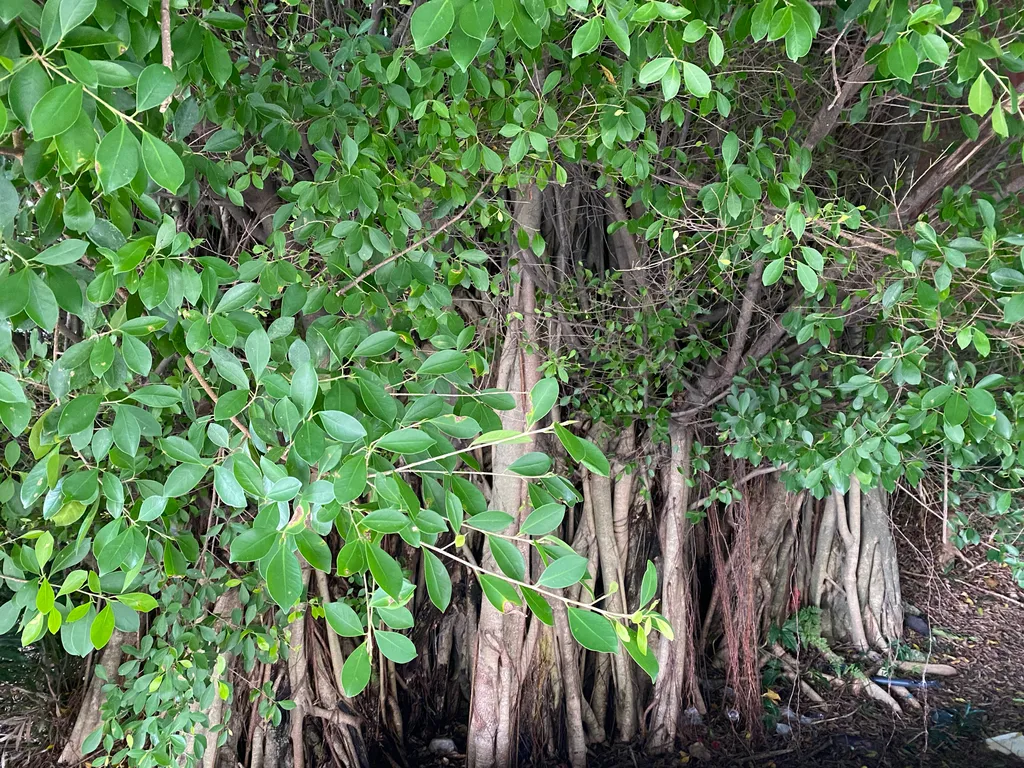
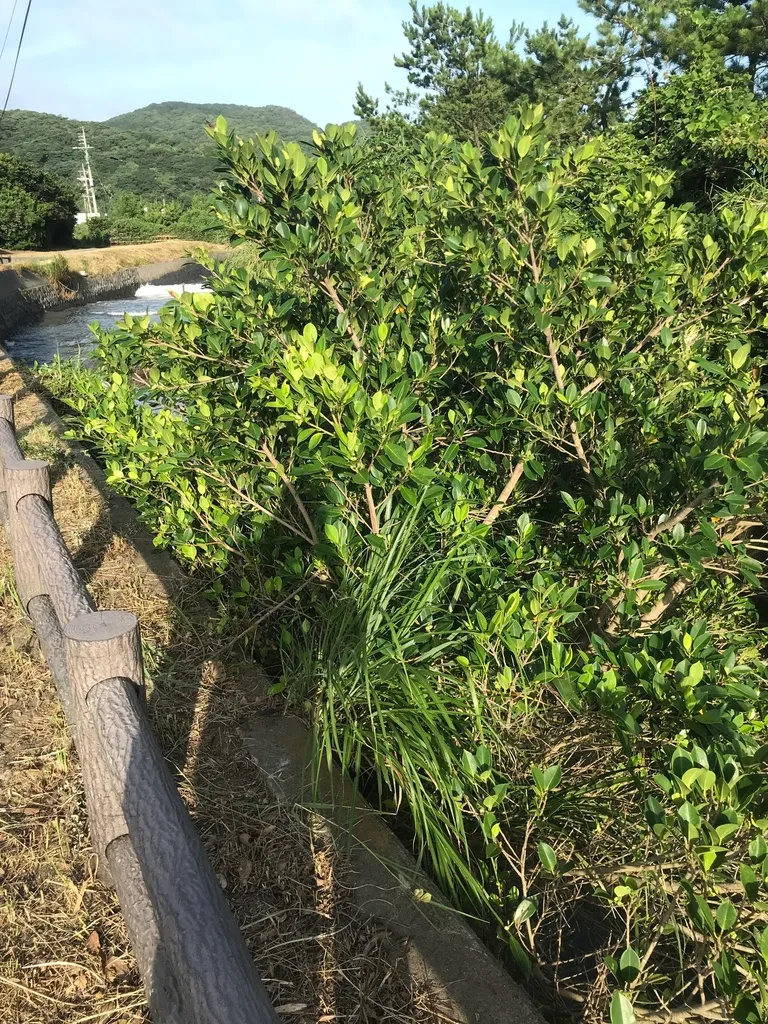
| Care difficulty | 2 / 5 |
|---|---|
| Watering schedule | Moderate regular watering, allowing brief slight drying between soakings |
| Sunlight requirements | Full sun |
| Ideal temperature | 18 – 27 °C |
| Soil type | Chalk · Clay · Loam · Sand |
| Soil pH | Acid · Alkaline · Neutral |
| Soil moisture | Moist but well drained |
| Fertilizing | Balanced perennial feed every four weeks from spring through summer |
| Toxicity | Skin allergen. Wear gloves and other protective equipment when handling |
How to Water curtain fig?
Indian Laurel thrives in a humid environment, echoing its origins in tropical regions where moisture is abundant. It has a moderate drought tolerance and prefers consistent humidity over fluctuations. For optimal health, indian Laurel should be watered once every 1-2 weeks, ensuring the soil remains moist but not waterlogged. As an evergreen plant, indian Laurel maintains hydration in its leaves year-round, making it suitable for indoor cultivation where stable humidity can be managed.
Learn more →What Are the Sunlight Requirements for curtain fig?
Indian Laurel thrives best in partial sun where it receives a balance of light and shade. While the species can tolerate a range of light conditions from full sun to full shade, its growth and health are optimal under dappled sunlight. Excessive direct sunlight can lead to scorching, whereas deep shade may result in leggy growth and reduced vigor. Indian Laurel is adaptable, with foliage that can alter to maximize photosynthesis under varying light levels. Outdoors, indian Laurel should be positioned where it will be protected during the hottest parts of the day but still receive ample bright light.
Learn more →What Is the Ideal Temperature Range for curtain fig?

Indian Laurel demonstrates strong adaptability to varying temperatures, tolerating from 0℃ (32℉) to 43℃ (109℉). Despite this range, extreme cold can lead to leaf drop and growth retardation, while excessive heat may cause wilting and leaf burn. Proper care involves shielding the plant from frost during cold snaps and providing shade or misting in intense heat. In cold conditions, moving indian Laurel indoors or using frost cloths can prevent damage. In hot climates, ensuring adequate hydration and avoiding direct sunlight are key. This resilience makes indian Laurel suitable for diverse environments but still requires temperature-related care.
Learn more →What Soil Is Best for curtain fig?
Indian Laurel prefers fertile soil and cannot resist barren ground. It does not like sticky soil with poor drainage, so a plot rich in organic substances and not easily compacted is preferred. The soil should be slightly acid, with a pH of 6-6.5. When used as a potted plant, mix leaf mold, garden soil, and organic fertilizer at a ratio of 4:3:3.
- Soil type
- Chalk · Clay · Loam · Sand
- Soil pH
- Acid · Alkaline · Neutral
What Are the Moisture Requirements for curtain fig?
Moist but well drained
Learn more →How to Fertilize curtain fig?

To nurture indian Laurel, apply high nitrogen fertilizer every two months during active growth. Benefits include robust foliage and overall plant strength. Use balanced formulas in colder months to maintain health. Moderation is key—excessive amounts can harm. Young indian Laurels require frequent feeding, while established ones need less. Always water thoroughly after fertilizing to distribute nutrients and prevent root burn. Seasonal adjustments ensure optimal vitality for indian Laurel.
Learn more →How to Prune curtain fig?

Indian Laurel, known for its dense foliage and rapid growth, thrives with appropriate pruning techniques. Prune in early to late winter during the dormancy period to maintain shape and remove dead or crossing branches. Regular thinning enhances air circulation and light penetration, reducing pest and disease risks. Structural pruning improves balance and stability, while tip pruning encourages bushier growth. Ensure cuts are clean and precise to prevent damage. Overall, pruning promotes a healthier, more aesthetically pleasing plant.
Learn more →How to Propagate curtain fig?

Indian Laurel favors propagation through cutting and layering, ideally in Spring. While it poses moderate difficulty, successful signs include new leaf growth. Properly moist soil and indirect sunlight are crucial for cuttings.
Learn more →How to Transplant curtain fig?
The ideal season for transplanting indian Laurel is from mid-spring to late spring, or mid-fall to late fall when temperatures are mild, allowing for optimal root development. Prioritize a well-drained location with adequate sunlight. When transplanting, ensure proper root ball support for a successful transition.
Learn more →How to Care for curtain fig in Winter?

Native to subtropical climates, indian Laurel tolerates mild winter conditions. Naturally, indian Laurel is evergreen and does not undergo dormant phases. For winter care, gardeners must protect indian Laurel from extreme frosts and should consider bringing potted plants indoors or using frost blankets in frigid conditions. Ensure watering is reduced as indian Laurel naturally adapts to drier winter environments.
Learn more →How to Plant curtain fig?
Indoors-potted: Ensure indian Laurel has ample space to thrive indoors; its robust roots require larger pots as it matures. Outdoors-potted: Indian Laurel's growth can be managed in outdoor pots, but rotate regularly for balanced foliage development. Outdoors-in the ground: In the ground, indian Laurel flourishes with room to expand—prune to maintain size and encourage lush canopy formation.
Learn more →How to Repot curtain fig?
Repot indian Laurel every 2-3 years, a robust grower reaching large tree proportions. Best repotted in spring, coinciding with vigorous growth phases. Choose a spacious pot that accommodates indian Laurel's quick-expanding roots. Post-repotting, ensure bright, indirect light, and consistent moisture to support recovery. A friendly reminder: indian Laurel thrives with a little extra care during this fresh transition!
Learn more →How to Harvest curtain fig?

Information to be completed
Learn more →Common Pests & Diseases

Diseases
May be susceptible to honey fungus
Pests
May be susceptible to glasshouse red spider mite, thrips, mealybugs and scale insects under glass
Explore the plant health library →The Toxicity of curtain fig
Skin allergen. Wear gloves and other protective equipment when handling