



Planting and Growing Peperomia polybotrya 'Raindrop'

| Care difficulty | 2 / 5 |
|---|---|
| Watering schedule | Wait until substrate mostly dry before gentle thorough watering |
| Sunlight requirements | Full sun · Partial shade |
| Ideal temperature | 18 – 27 °C |
| Soil type | Loam |
| Soil pH | Acid · Neutral |
| Soil moisture | Moist but well drained · Well drained |
| Fertilizing | Weak houseplant feed every six weeks warm growing months |
| Toxicity | Information to be completed |
How to Water Peperomia polybotrya 'Raindrop'?
Coin leaf peperomia 'Raindrop' thrives in the consistent moisture of its native tropical environment, displaying a preference for high humidity. This species is moderately drought-tolerant, yet it flourishes best when its soil remains slightly moist without becoming waterlogged. For optimal health, coin leaf peperomia 'Raindrop' requires watering every week. As an indoor plant, coin leaf peperomia 'Raindrop' benefits significantly from regular misting to replicate the humid conditions it naturally prefers, ensuring that even away from the tropics, it maintains its luscious vibrancy.
Learn more →What Are the Sunlight Requirements for Peperomia polybotrya 'Raindrop'?
Coin leaf peperomia 'Raindrop' thrives in bright, indirect light but can tolerate lower light conditions. Optimal growth occurs under indirect sunlight, avoiding the harsh midday sun which can scorch its leaves. In inadequate light, coin leaf peperomia 'Raindrop' may become leggy as it stretches toward the light source. Adaptively, its glossy leaves can slightly alter orientation to maximize light absorption. When grown indoors, placing coin leaf peperomia 'Raindrop' near a window with sheer curtains is ideal to diffuse direct sunlight. Outdoor planting should aim for spots with dappled sunlight or light shade, ensuring protection from intense afternoon sun.
Learn more →What Is the Ideal Temperature Range for Peperomia polybotrya 'Raindrop'?

Coin leaf peperomia 'Raindrop' exhibits moderate resilience to temperature fluctuations, tolerating cold down to 5°C (41°F) and heat up to 45°C (113°F). This temperature tolerance necessitates specific care measures: during cold snaps, relocation to warmer indoor spots is advised to prevent leaf drop, while in extreme heat, increased humidity and shading are beneficial. Symptoms of distress under cold conditions include wilting and discoloration, whereas excessive heat can cause browning leaf edges and drooping. Effective countermeasures for overcooling involve using frost cloths or heaters, and for overheating, misting and airflow increase are necessary.
Learn more →What Soil Is Best for Peperomia polybotrya 'Raindrop'?
Coin leaf peperomia 'Raindrop' thrives in well-aerated, well-draining soil. An ideal mix includes equal parts potting mix, perlite, and orchid bark. If perlite isn't available, pumice can be used as an alternative. Ensure proper drainage to prevent water-logging, crucial for coin leaf peperomia 'Raindrop'. To enhance growth, consider adding a balanced liquid fertilizer monthly during the growing season. Avoid water retention by using pots with drainage holes and a saucer to collect excess water.
- Soil type
- Loam
- Soil pH
- Acid · Neutral
What Are the Moisture Requirements for Peperomia polybotrya 'Raindrop'?
Moist but well drained · Well drained
Learn more →How to Fertilize Peperomia polybotrya 'Raindrop'?

Fertilize coin leaf peperomia 'Raindrop' every two to four weeks during the growing season (spring and summer) with a balanced, water-soluble fertilizer diluted to half strength, to boost growth and plant health. During fall and winter, reduce to once a month as growth slows. Avoid over-fertilizing to prevent root burn; use about 1/4 tsp per gallon of water. Flush soil occasionally to prevent salt buildup.
Learn more →How to Prune Peperomia polybotrya 'Raindrop'?

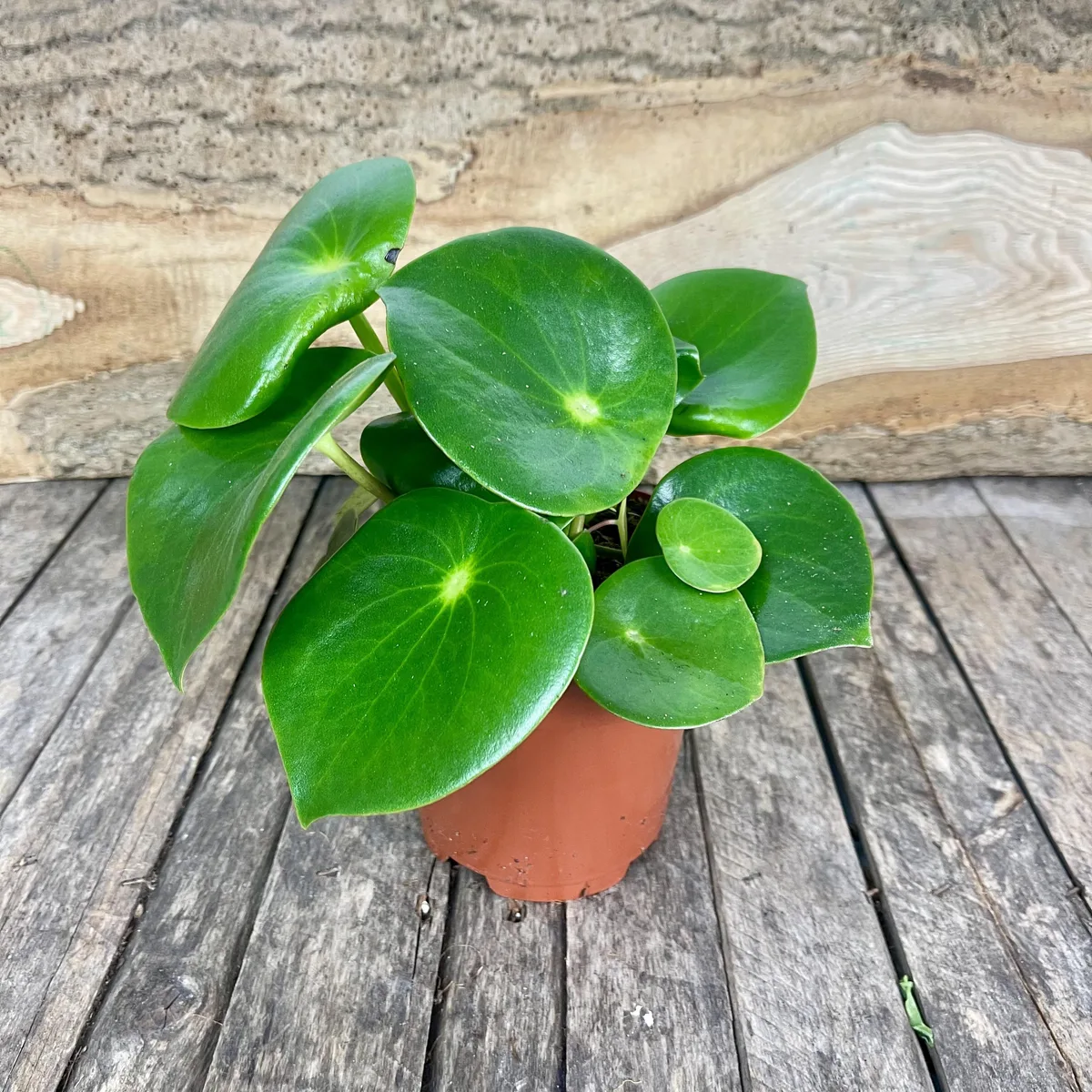
Coin leaf peperomia 'Raindrop' features heart-shaped, glossy leaves, resembling raindrops. Prune in early to late spring to encourage robust growth. Remove dead or damaged leaves using clean, sharp scissors. Trim back leggy stems to promote bushier growth. Avoid over-pruning to prevent stress. Pruning enhances airflow, reducing disease risk. Use clean tools to prevent infections. Coin leaf peperomia 'Raindrop' appreciates light pruning over severe cutting to maintain its aesthetic and health. Refer to horticultural guides for detailed pruning techniques.
Learn more →How to Propagate Peperomia polybotrya 'Raindrop'?

To propagate coin leaf peperomia 'Raindrop', leaf or stem cuttings are the most effective. Select healthy, unblemished leaves or stem segments from a mature coin leaf peperomia 'Raindrop'. Cuttings should include at least one node for successful rooting. Place the cutting in well-draining soil mix or water, maintaining high humidity and warm temperatures to facilitate root development. Avoid saturating the soil, as coin leaf peperomia 'Raindrop' is prone to rot with excessive moisture. Once roots are established, transplant gently to a permanent pot.
Learn more →How to Transplant Peperomia polybotrya 'Raindrop'?
The optimal time to transplant coin leaf peperomia 'Raindrop' is from mid to late spring, given the temperate conditions favoring root establishment. Ensure a well-lit but indirect sunlight location to prevent stress from transplant shock.
Learn more →How to Care for Peperomia polybotrya 'Raindrop' in Winter?

Information to be completed
Learn more →How to Plant Peperomia polybotrya 'Raindrop'?
Grow under glass in a loamless or loam-based potting compost in bright, indirect light when in active growth and full light in winter. Water moderately in summer and sparingly in winter, preferably with tepid, soft water. Maintain a high humidity and apply a balanced liquid fertiliser monthly through the growing season
Learn more →How to Repot Peperomia polybotrya 'Raindrop'?
Information to be completed
Learn more →How to Harvest Peperomia polybotrya 'Raindrop'?

Information to be completed
Learn more →Common Pests & Diseases

Diseases
Generally disease-free
Pests
Generally pest-free
Explore the plant health library →The Toxicity of Peperomia polybotrya 'Raindrop'
Information to be completed