



Planting and Growing Mlokosewitch's peony

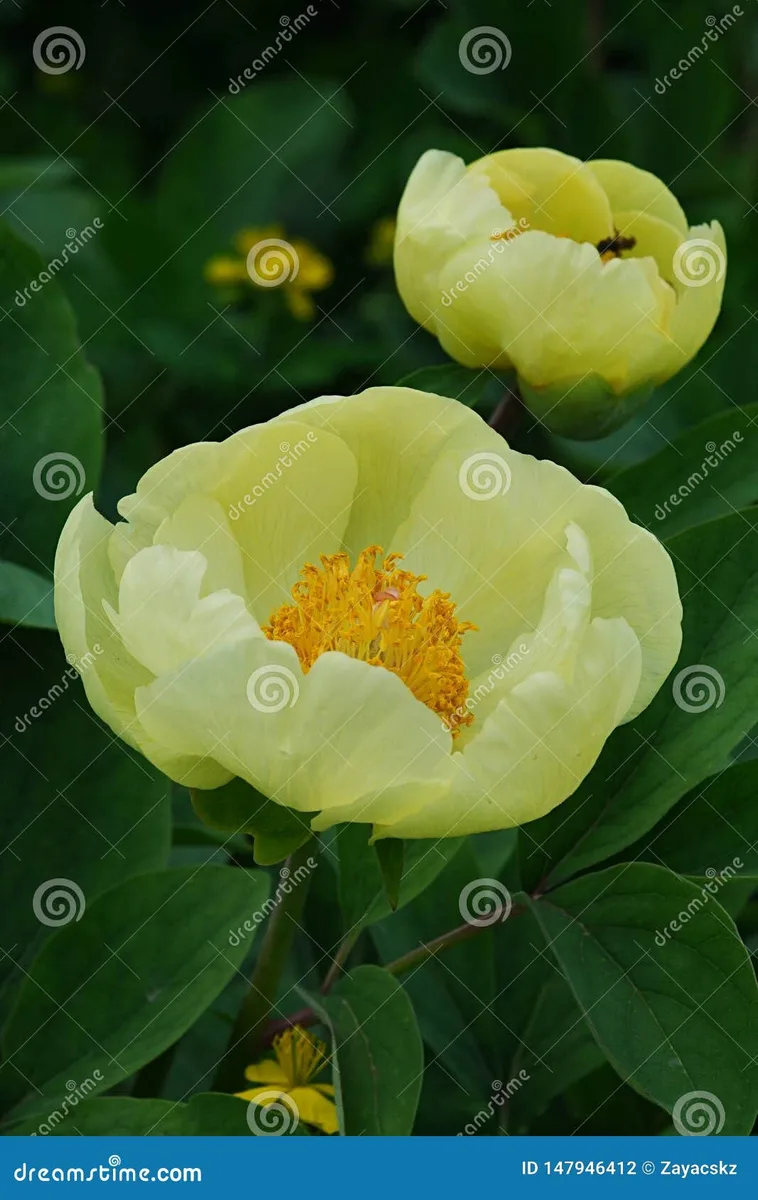
| Care difficulty | 2 / 5 |
|---|---|
| Watering schedule | Moderate regular watering, allowing brief slight drying between soakings |
| Sunlight requirements | Full sun · Partial shade |
| Ideal temperature | Information to be completed |
| Soil type | Chalk · Clay · Loam · Sand |
| Soil pH | Alkaline · Neutral |
| Soil moisture | Moist but well drained |
| Fertilizing | Balanced perennial feed every four weeks from spring through summer |
| Toxicity | Information to be completed |
How to Water Mlokosewitch's peony?
Moderate regular watering, allowing brief slight drying between soakings
Learn more →What Are the Sunlight Requirements for Mlokosewitch's peony?
Full sun · Partial shade
Learn more →What Soil Is Best for Mlokosewitch's peony?
- Soil type
- Chalk · Clay · Loam · Sand
- Soil pH
- Alkaline · Neutral
What Are the Moisture Requirements for Mlokosewitch's peony?
Moist but well drained
Learn more →How to Fertilize Mlokosewitch's peony?

Balanced perennial feed every four weeks from spring through summer
Learn more →How to Prune Mlokosewitch's peony?

Cut back the foliage at the end of the season
Learn more →How to Propagate Mlokosewitch's peony?

Propagate by seed in autumn or winter outdoors. Germination can take two or three years. Plants can also be propagated by division in autumn or early spring, just before the plant come back into growth. Aim to include one or several plump terminal buds with each division. The new plants can take two or three years to flower again as they dislike disturbance. It is also possible to take root cuttings in winter
Learn more →How to Plant Mlokosewitch's peony?
Grow in deep, fertile, moist, humus-rich soil. Slightly alkaline is preferable, but neutral and slightly acidic soils are suitable too. A position in full sun or partial shade is required. See Peony cultivation: herbaceous for further information.
Learn more →Common Pests & Diseases

Diseases
May be susceptible to a virus, honey fungus, Verticillium wilt, peony leaf blotch and peony wilt
Pests
May be susceptible to leaf and bud eelworm and soil-dwelling swift moth larvae
Explore the plant health library →