



Planting and Growing rosemary Prostrata Group

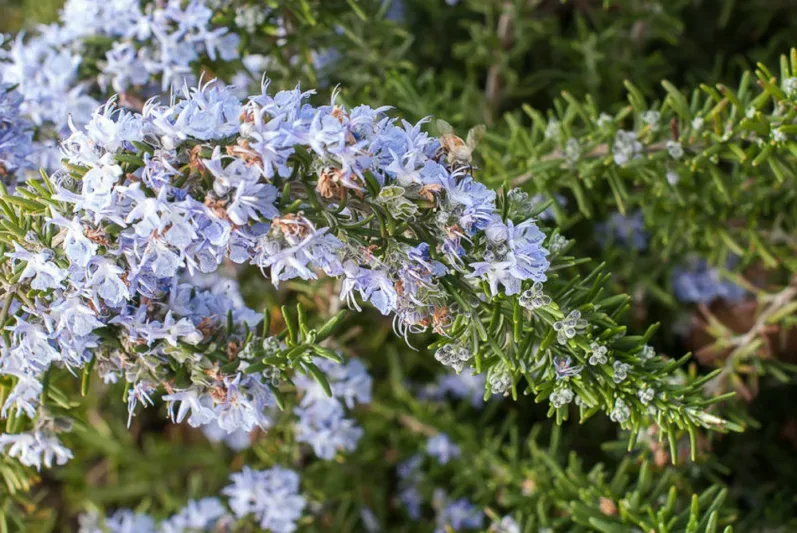
| Care difficulty | 2 / 5 |
|---|---|
| Watering schedule | Moderate regular watering, allowing brief slight drying between soakings |
| Sunlight requirements | Full sun |
| Ideal temperature | Information to be completed |
| Soil type | Chalk · Loam · Sand |
| Soil pH | Acid · Alkaline · Neutral |
| Soil moisture | Moist but well drained · Well drained |
| Fertilizing | Balanced perennial feed every four weeks from spring through summer |
| Toxicity | Skin allergen. Wear gloves and other protective equipment when handling |
How to Water rosemary Prostrata Group?
Moderate regular watering, allowing brief slight drying between soakings
Learn more →What Are the Sunlight Requirements for rosemary Prostrata Group?
Full sun
Learn more →What Soil Is Best for rosemary Prostrata Group?
- Soil type
- Chalk · Loam · Sand
- Soil pH
- Acid · Alkaline · Neutral
What Are the Moisture Requirements for rosemary Prostrata Group?
Moist but well drained · Well drained
Learn more →How to Fertilize rosemary Prostrata Group?

Balanced perennial feed every four weeks from spring through summer
Learn more →How to Prune rosemary Prostrata Group?

No regular pruning required
Learn more →How to Propagate rosemary Prostrata Group?

Propagate by semi-hardwood cuttings in summer
Learn more →How to Plant rosemary Prostrata Group?
Easy to grow aromatic, prostrate evergreen shrub. Prefers poor well-drained soil and may be used as ground cover. See rosemary cultivation for further advice
Learn more →Common Pests & Diseases

Diseases
May be susceptible to honey fungus (rarely), powdery mildews, verticillium wilt and foot and root rots
Pests
May be susceptible to rosemary beetle, cuckoo spit, sage leafhopper, tortrix moth and scale insects
Explore the plant health library →The Toxicity of rosemary Prostrata Group
Skin allergen. Wear gloves and other protective equipment when handling