



Planting and Growing lace aloe

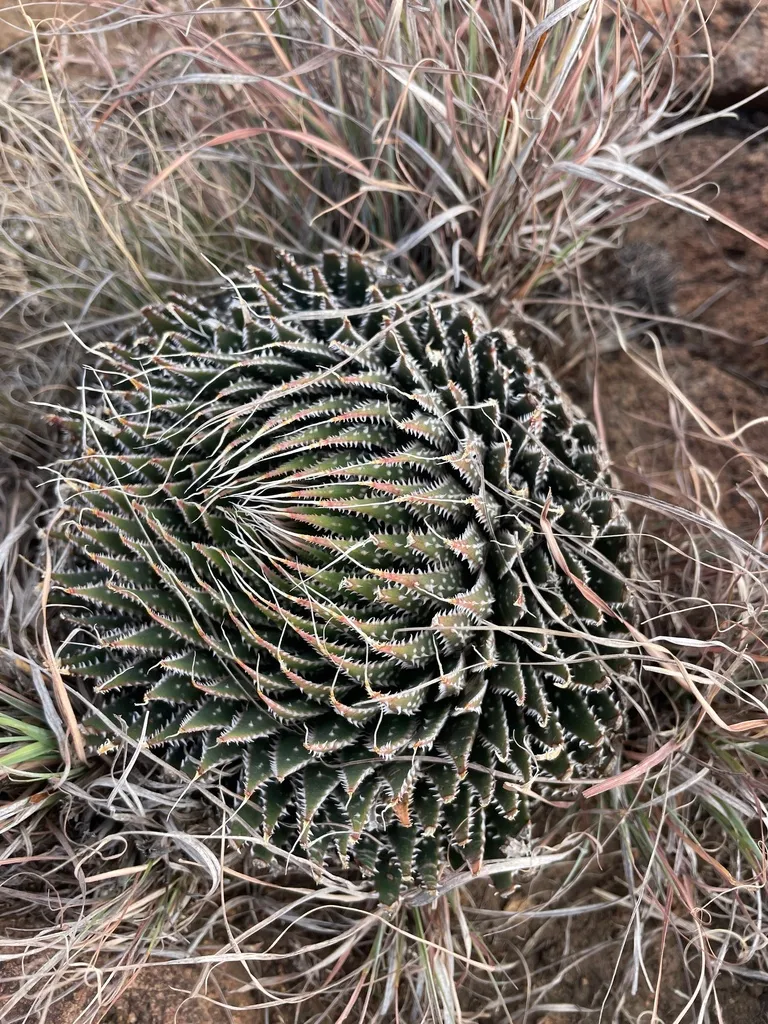
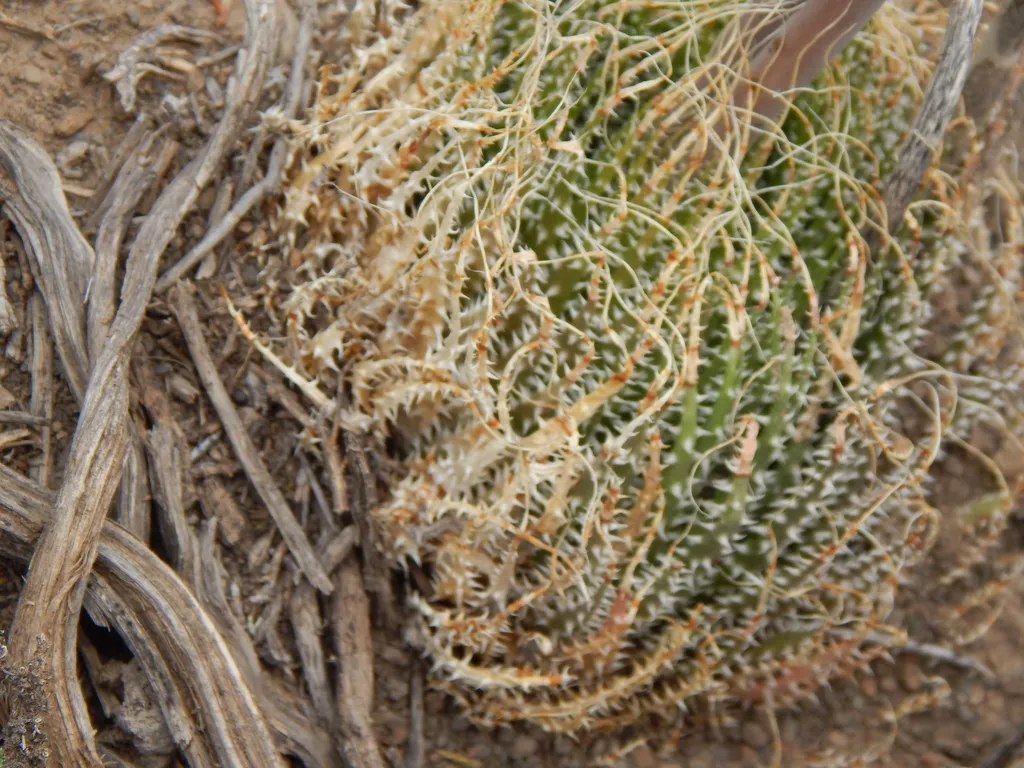
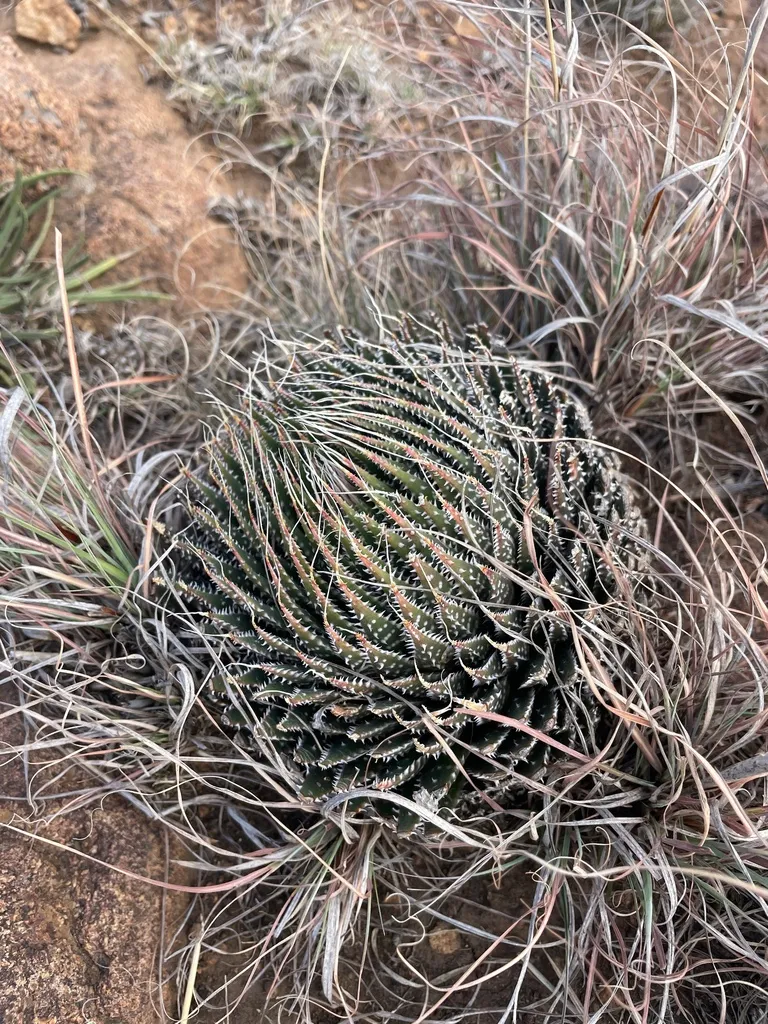
| Care difficulty | 2 / 5 |
|---|---|
| Watering schedule | Water thoroughly then let soil dry out completely |
| Sunlight requirements | Full sun |
| Ideal temperature | 18 – 28 °C |
| Soil type | Loam · Sand |
| Soil pH | Acid · Alkaline · Neutral |
| Soil moisture | Well drained |
| Fertilizing | Very dilute low nitrogen feed during warm growth only |
| Toxicity | Ingestion may cause severe discomfort. Wear gloves and wash hands after handling |
How to Water lace aloe?
Guinea-fowl aloe thrives in its native arid environments, displaying a high drought tolerance that aligns with the infrequent rainfall of its habitat. Its succulent nature allows it to store water efficiently, requiring only minimal additional hydration. Watering should occur once every three weeks, ensuring the soil has dried out completely between sessions. Typically grown indoors due to its decorative appeal and manageable size, guinea-fowl aloe is well-suited for container living where moisture levels can be carefully controlled to mimic its natural dry conditions.
Learn more →What Are the Sunlight Requirements for lace aloe?
Guinea-fowl aloe thrives in conditions of full sunlight, which promotes healthy growth and optimal vitality. The ideal intensity ensures vivid foliage coloration and robust structural development. Guinea-fowl aloe is also adaptable to partial sun exposure, displaying a level of tolerance that suits a variety of outdoor settings. However, a significant deviation from the optimal sunlight may result in suboptimal growth or pigmentation. When grown outdoors, guinea-fowl aloe should be planted in areas that receive ample sunlight to harness its growth potential. For indoor cultivation, placement should prioritize areas where natural sunlight is abundant. Guinea-fowl aloe's ability to adjust to different light conditions, albeit within a certain range, exemplify its versatility as a resilient succulent.
Learn more →What Is the Ideal Temperature Range for lace aloe?

Guinea-fowl aloe exhibits substantial resilience to temperature variations, handling cold down to 0℃ (32℉) and heat up to 43℃ (109℉). This adaptability requires protective measures in extreme weather; in colder climates, providing insulation, and in hotter climates, ensuring adequate shading and hydration. Symptoms of stress include leaf discoloration or wilting in excessive heat and shriveling in cold. Countermeasures involve relocating the plant to a more suitable environment or using frost cloths in cold, and increased watering and shading in extreme heat. Such care ensures the well-being of guinea-fowl aloe across diverse conditions.
Learn more →What Soil Is Best for lace aloe?
Guinea-fowl aloe thrives in well-draining soil that prevents water-logging, crucial for its root health. A suitable soil mix combines succulent & cactus soil with perlite or pumice to enhance aeration. In the absence of commercial mixes, blend equal parts potting soil, coarse sand, and perlite. For optimal growth, incorporate a slow-release fertilizer at the beginning of the growing season. Ensure pots have drainage holes to aid in water management. This mix supports guinea-fowl aloe's needs without the necessity for specific pH adjustments.
- Soil type
- Loam · Sand
- Soil pH
- Acid · Alkaline · Neutral
What Are the Moisture Requirements for lace aloe?
Well drained
Learn more →How to Fertilize lace aloe?

For optimal health, fertilize guinea-fowl aloe bi-monthly during the growing season (spring to fall) with a diluted succulent-specific food, halving concentration to prevent overfertilization and nutrient burn. Benefits include stronger growth and potential enhancement of its distinct flowerings, such as improved color and bloom frequency. Avoid winter feeding when guinea-fowl aloe is dormant. Use caution to prevent root contact with undiluted fertilizer. Adjust feeding based on plant size and container; less is more for this hardy species.
Learn more →How to Prune lace aloe?

No pruning required
Learn more →How to Propagate lace aloe?

Guinea-fowl aloe primarily propagates through cuttings, which is best done during Spring or Autumn. This process is relatively easy, with successful signs including new root growth and small leaves. Ensure cuttings have calloused ends before planting.
Learn more →How to Transplant lace aloe?
The perfect time to transplant guinea-fowl aloe is during mid to late spring, as the plant can establish itself in the warm months ahead. Choose a well-draining location with partial to full sun for optimal conditions. Follow proper transplant tips for a successful transition.
Learn more →How to Care for lace aloe in Winter?

Guinea-fowl aloe originates from South Africa's semi-desert regions, naturally adaptative to withstand colder winters. For indoor care, ensure guinea-fowl aloe is placed within cooler temperatures and receives plentiful sunlight, mimicking its arid natural habitat. Lower the watering frequency in winter, only when the soil is dry. Beware of overwatering as guinea-fowl aloe is a succulent; it is drought-tolerant and excess water may cause root rot.
Learn more →How to Plant lace aloe?
Indoors-potted: For guinea-fowl aloe in indoor pots, ensure a well-draining container to prevent root rot, a common issue for potted succulents. Outdoors-potted: Guinea-fowl aloe thrives outdoors in pots; rotate the plant occasionally to promote even growth and avoid one-sided elongation. Outdoors-in the ground: In-ground cultivation of guinea-fowl aloe is often successful but requires loose, gravelly soil to mimic its natural habitat and avoid waterlogging.
Learn more →How to Repot lace aloe?
Ideal in spring, repot guinea-fowl aloe biennially to accommodate its modest root system. This succulent benefits from a slightly bigger pot to enable growth without stress. Choose well-draining containers to prevent root rot. Post-repotting, provide bright indirect light and reduce watering to minimize shock, allowing guinea-fowl aloe to settle into its new home comfortably.
Learn more →Common Pests & Diseases

Diseases
Generally disease free
Pests
Can get scale insects and mealybugs
Explore the plant health library →Troubleshooting
Crown Rot, Soft Brown Base, or Mushy Leaves
lace aloe (Aristaloe aristata) is a compact South/East African rosette succulent that rots easily if water collects inside leaf bases or if potting soil stays wet.
| What you notice | Possible explanation | What to check next |
|---|---|---|
| Inner rosette leaves turn brown-black and mushy at the base and pull loose easily | Crown or root rot caused by overwatering, dense soil, or water trapped in the rosette center | Check soil moisture and gently test whether center leaves are firmly attached |
| Leaf tips turn brown and curl inward while leaves feel thin and concave | Underwatering or excessive direct afternoon sun | Check potting mix dryness and evaluate sun exposure |
| Oldest bottom leaves dry out slowly while the central rosette stays plump and green | Normal lower leaf aging as the rosette grows | Verify that central leaves and offshoots are firm |
- Grow in a gritty, fast-draining cactus/succulent compost with extra horticultural grit or perlite in a pot with drainage holes.
- Water thoroughly only after the soil has dried completely, pouring water onto the soil rather than into the rosette crown, and keep very dry in winter.
- Provide bright, filtered light or gentle morning sun, shading from scorching midday summer sun.
Stop watering immediately and discard rotted crowns; salvage any firm, unaffected basal offsets (pups) by letting cut ends callus for a day before potting.
Stretched Pale Rosettes or Mealybugs in Leaf Axils
Low indoor light causes compact rosettes to stretch and lose white banding/spots, while mealybugs hide deep in leaf axils.
| What you notice | Possible explanation | What to check next |
|---|---|---|
| Rosette opens flat and stretches upward with pale green leaves | Insufficient bright light | Evaluate daily light intensity at the growing spot |
| White cottony insects or sticky residue tucked inside leaf axils | Mealybug or scale infestation | Inspect tight overlapping leaf bases closely with a bright light |
- Move to a brighter windowsill with strong indirect light or morning sun.
- Isolate pest-affected plants and dab visible mealybugs with a cotton swab dipped in rubbing alcohol.
- Separate crowded offsets in spring or early summer to improve airflow around the mother rosette.
Keep lace aloe (Aristaloe aristata) away from pets, as ingestion can cause digestive upset.
The Toxicity of lace aloe
Ingestion may cause severe discomfort. Wear gloves and wash hands after handling