
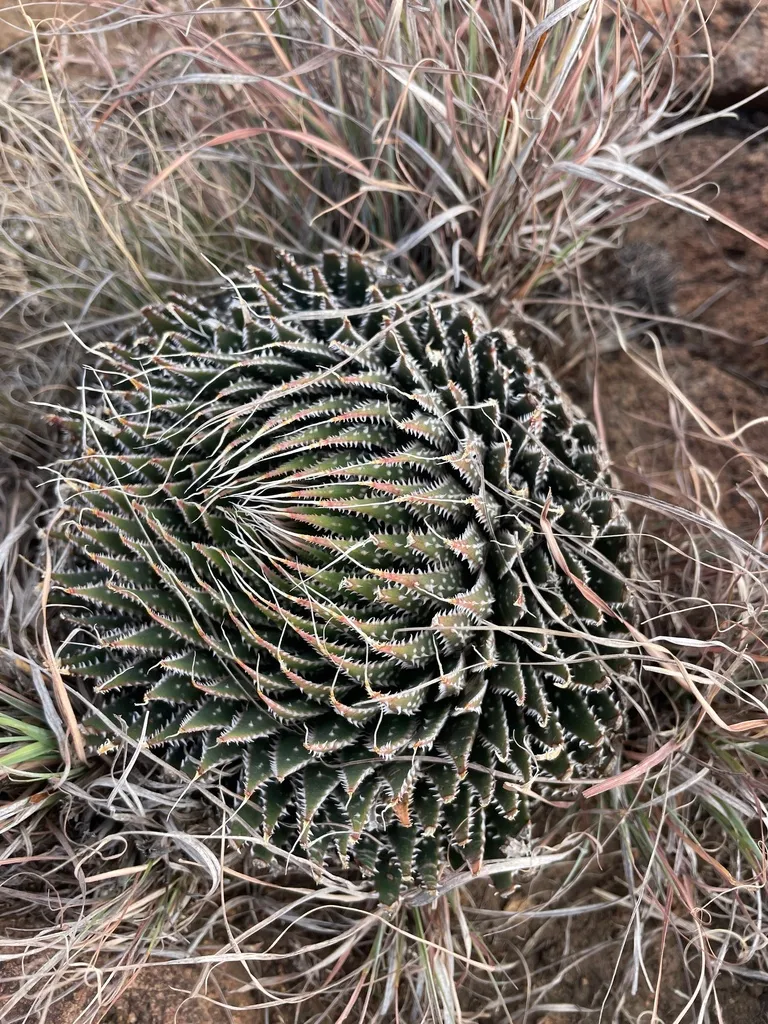



lace aloe

lace aloe · Temperature

lace aloe · Aristaloe aristata
Also known as: torch plant

Guinea-fowl aloe is generally regarded as low-maintenance, suitable even for novice gardeners. Key care points include ensuring well-draining soil and providing bright, indirect sunlight. Overwatering is a special care point as it can lead to root rot, so allowing the soil to dry out between waterings is crucial for the health of guinea-fowl aloe.

Watering: Water thoroughly then let soil dry out completelySunlight: Full sunIngestion may cause severe discomfort. Wear gloves and wash hands after handling

What Is the Ideal Temperature Range for lace aloe?

Guinea-fowl aloe exhibits substantial resilience to temperature variations, handling cold down to 0℃ (32℉) and heat up to 43℃ (109℉). This adaptability requires protective measures in extreme weather; in colder climates, providing insulation, and in hotter climates, ensuring adequate shading and hydration. Symptoms of stress include leaf discoloration or wilting in excessive heat and shriveling in cold. Countermeasures involve relocating the plant to a more suitable environment or using frost cloths in cold, and increased watering and shading in extreme heat. Such care ensures the well-being of guinea-fowl aloe across diverse conditions.

PlantCare

Your Ultimate Guide to Plants

Identify, grow and nurture the better way!

PlantCare plant identification and care illustration
PlantCare

Botanist in your pocket

Scan to download PlantCareDownload on the App Store

Scan the QR code with your phone camera to download the app