
lace aloe
Also known as: torch plant
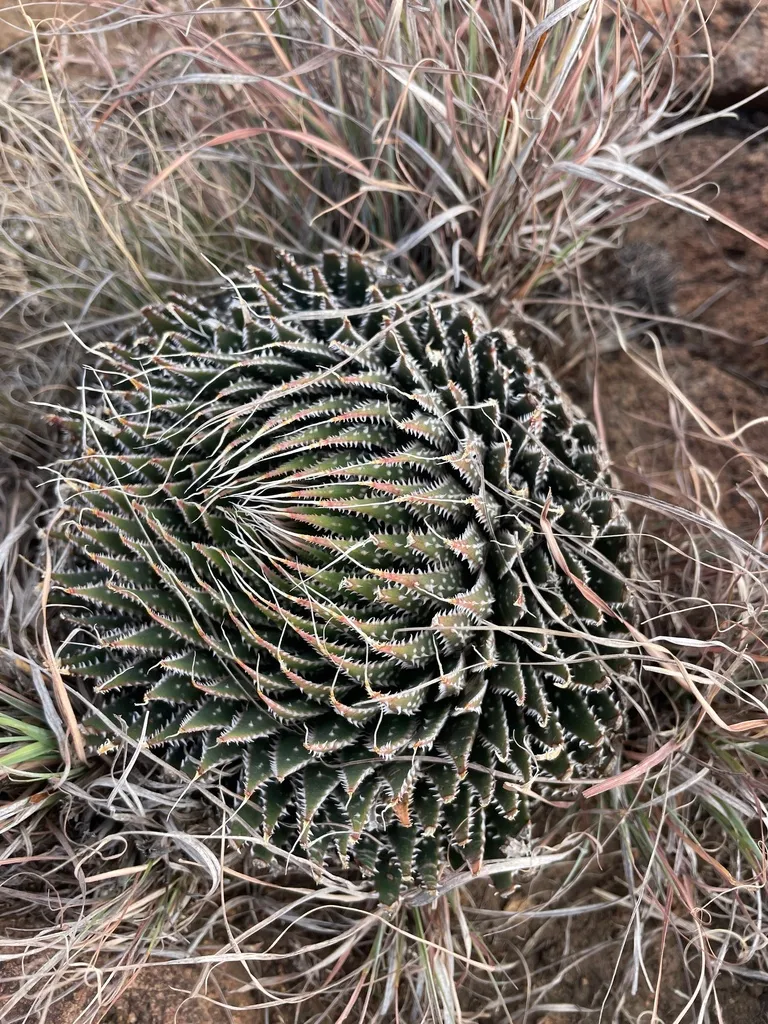
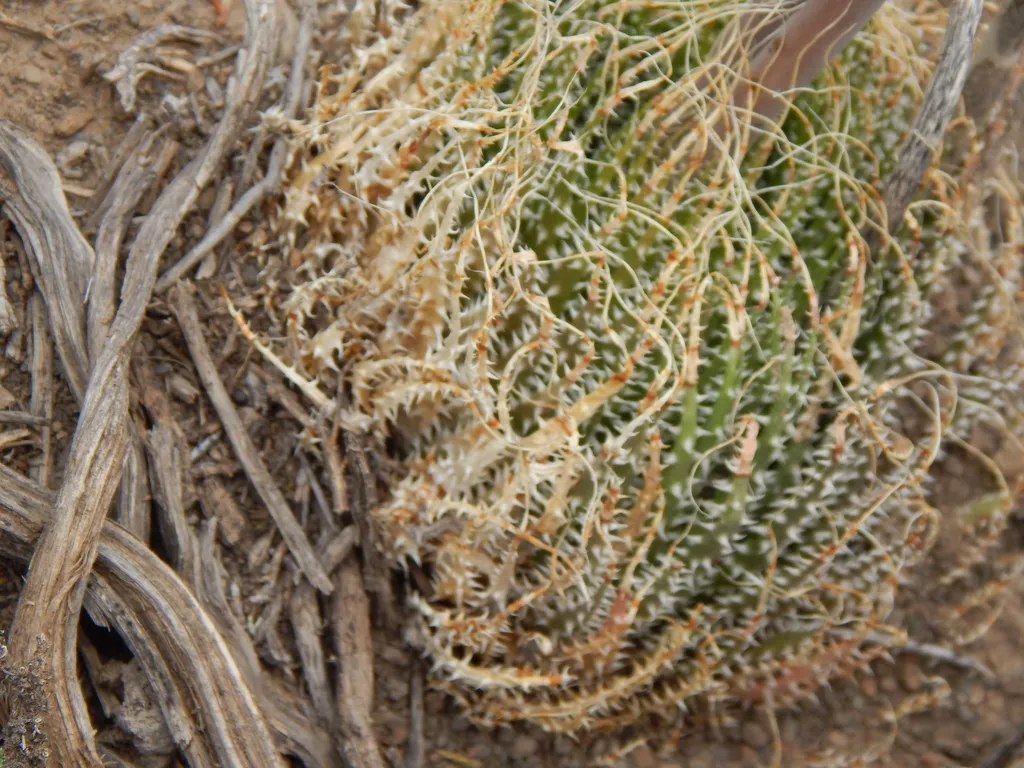
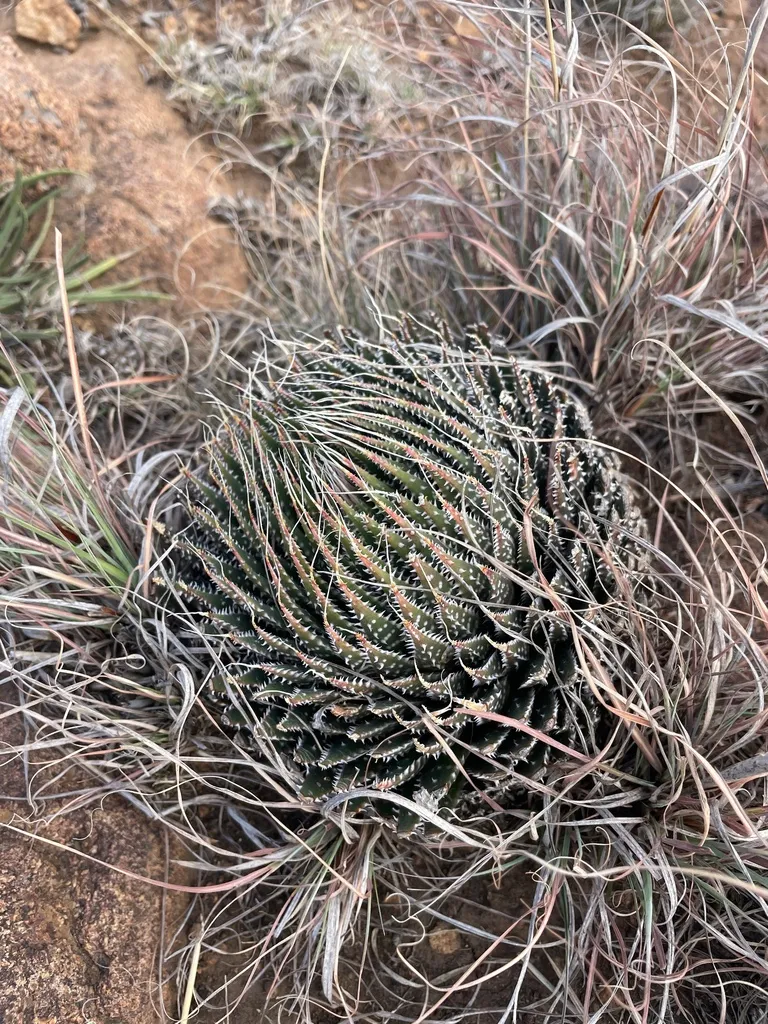
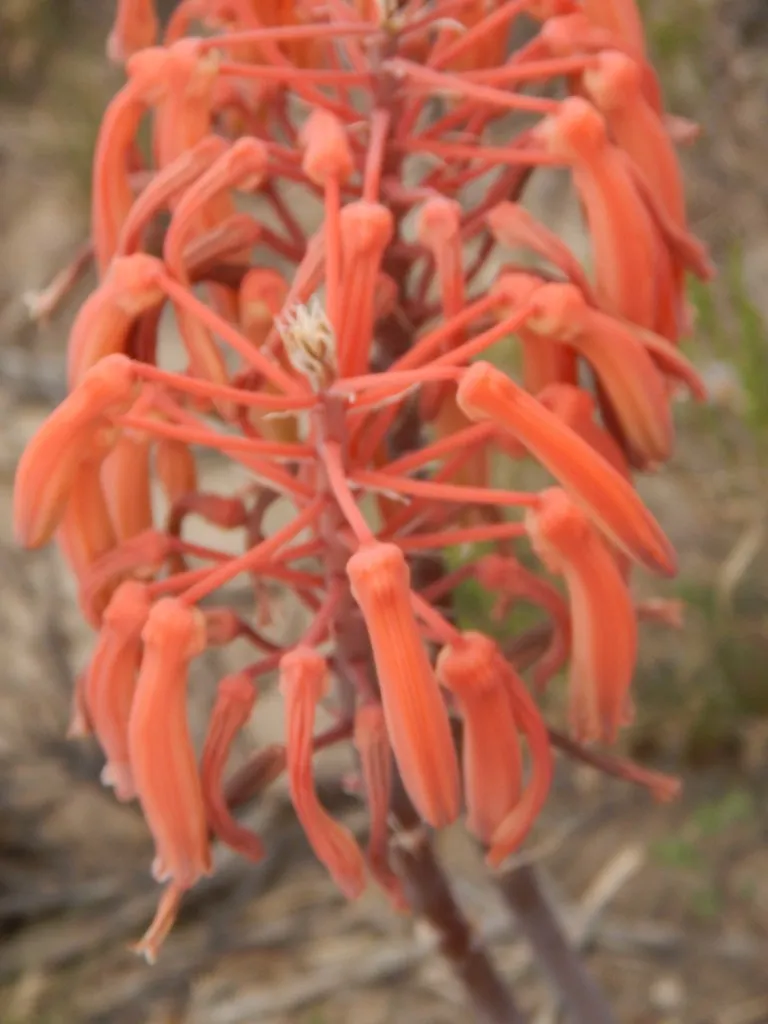
An evergreen perennial to 20cm forming rosettes of fleshy lance-shaped leaves spotted with white and tipped with a soft white spine, with tubular, orange-red flowers 4cm in length in panicles to 50cm in length in autumn
Scientific classification
- Species
- lace aloe (Aristaloe aristata)
- Genus
- Aristaloe
- Family
- Asphodelaceae
- Order
- Asparagales
- Class
- Liliopsida
- Phylum
- Magnoliophyta
- Ingestion may cause severe discomfort. Wear gloves and wash hands after handling
- Toxicity
- Cactus Succulent · Houseplants · Conservatory Greenhouse
- Plant type
- 0.1-0.5 metres
- Height
- 0.1-0.5 metres
- Spread
- Evergreen
- Foliage
- Tufted
- Habit
- Spring · Summer · Autumn · Winter
- Season of interest
- Full sun
- Sunlight
- 18 – 28 °C
- Ideal temperature









lace aloe pictures
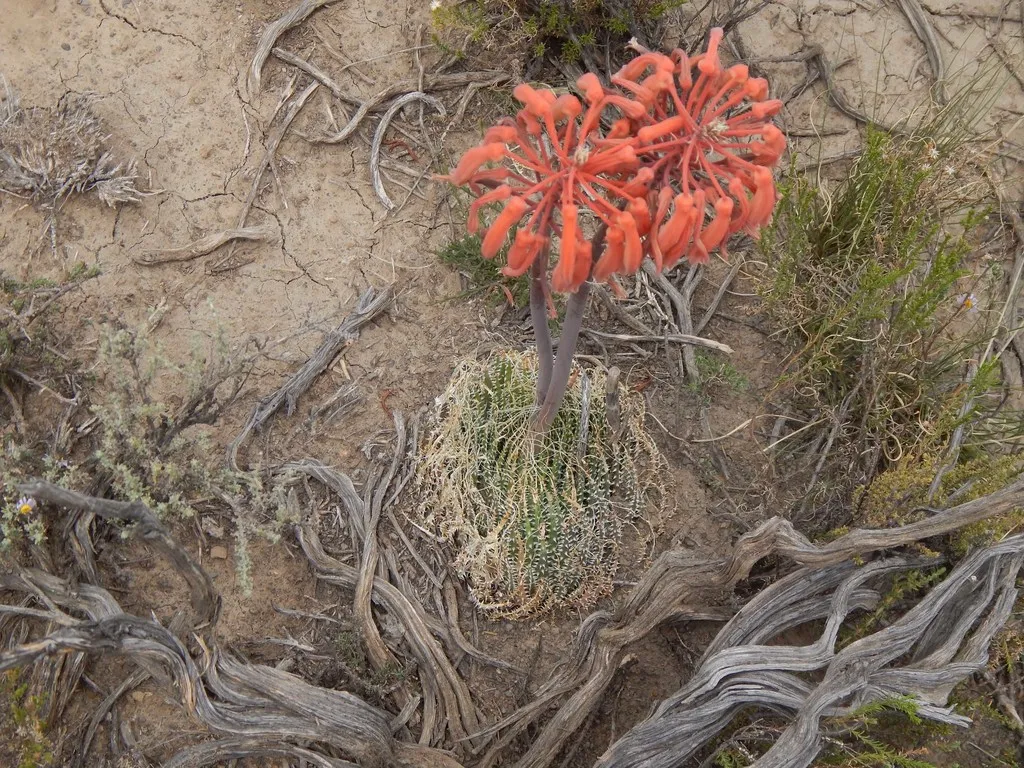
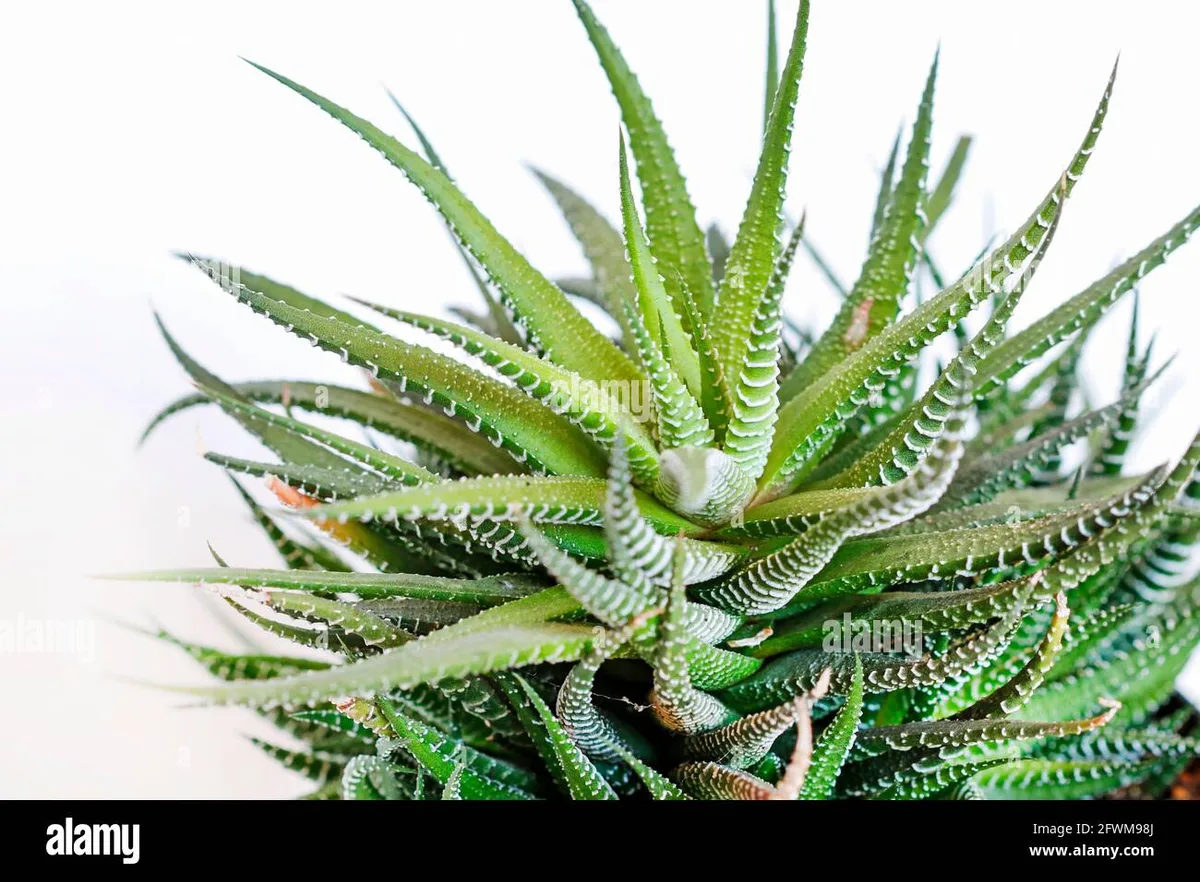
Distribution of lace aloe
Distribution map
- Native
- Introduced
- Cultivated
Source:WCVP v16 · Royal Botanic Gardens, Kew · CC BY 3.0 · Boundaries:WGSRPD / TDWG
Toxicity
Ingestion may cause severe discomfort. Wear gloves and wash hands after handling
lace aloe care guide
- Water thoroughly then let soil dry out completely
- Watering
- Full sun
- Sunlight
- 18 – 28 °C
- Ideal temperature

Watering
Water thoroughly then let soil dry out completely
Fertilizing
 Fertilizing
Very dilute low nitrogen feed during warm growth only
Pruning
 Pruning
No pruning required
Propagation
 Propagation
Propagate by seed sown with heat as soon as ripe or from offsets
Growing
 Growing
Grow under glass in a loam-based potting compost with added extra grit. Water moderately when in growth; very sparingly when dormant. Apply a balanced liquid fertiliser 2 or 3 times in the growing season
Common pests and diseases
Diseases
Generally disease free
Pests
Can get scale insects and mealybugs
Explore the plant health library →




