
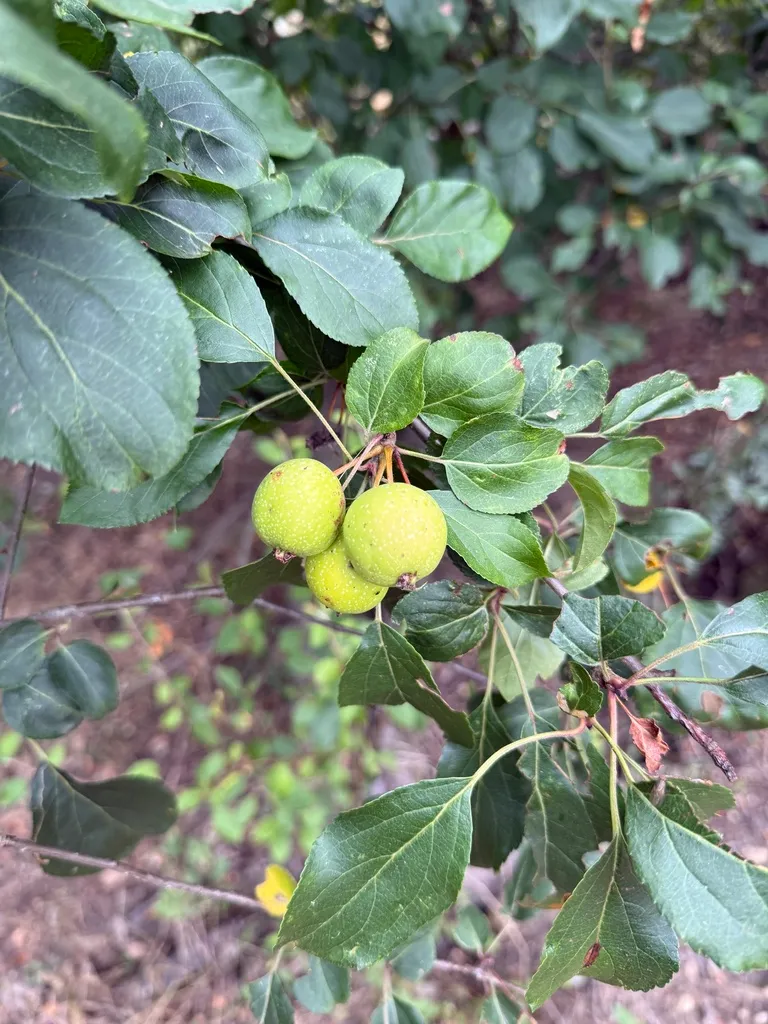



crab apple

crab apple · Soil

crab apple · Malus sylvestris
Also known as: European apple; wild crab

European crab apple are robust and adaptable plants, requiring minimal attention to thrive. They need full sun exposure and can tolerate a variety of soil types, though well-draining soil is preferable. The key special care points include regular pruning to maintain shape and encourage healthy growth, and implementing disease management since they're susceptible to fungal infections like apple scab. Watering needs are moderate, making european crab apple an easy-to-care-for choice for gardeners.

Watering: Deep watering during dry periods, especially while fruitingSunlight: Full sun · Partial shadeFruit are ornamental - not to be eaten. Wear gloves and other protective equipment when handling

What Soil Is Best for crab apple?

In its natural habitat, european crab apple thrives in well-drained soils that range from acidic to neutral pH (5.5-7.5). It prefers loamy soil, rich in organic matter, but can also adapt to sandy or clayey compositions. For optimal growth, use a mix of 40% garden soil, 30% compost, and 30% sand to ensure good drainage and nutrient availability. If clay or chalky soil is dominant, enhance drainage with perlite or coarse sand. Regularly top-dress with compost and consider bi-annual applications of balanced 10-10-10 fertilizer to support vigorous growth.

Soil type
Chalk · Clay · Loam · Sand
Soil pH
Acid · Alkaline · Neutral
PlantCare

Your Ultimate Guide to Plants

Identify, grow and nurture the better way!

PlantCare plant identification and care illustration
PlantCare

Botanist in your pocket

Scan to download PlantCareDownload on the App Store

Scan the QR code with your phone camera to download the app