



Planting and Growing sky plant

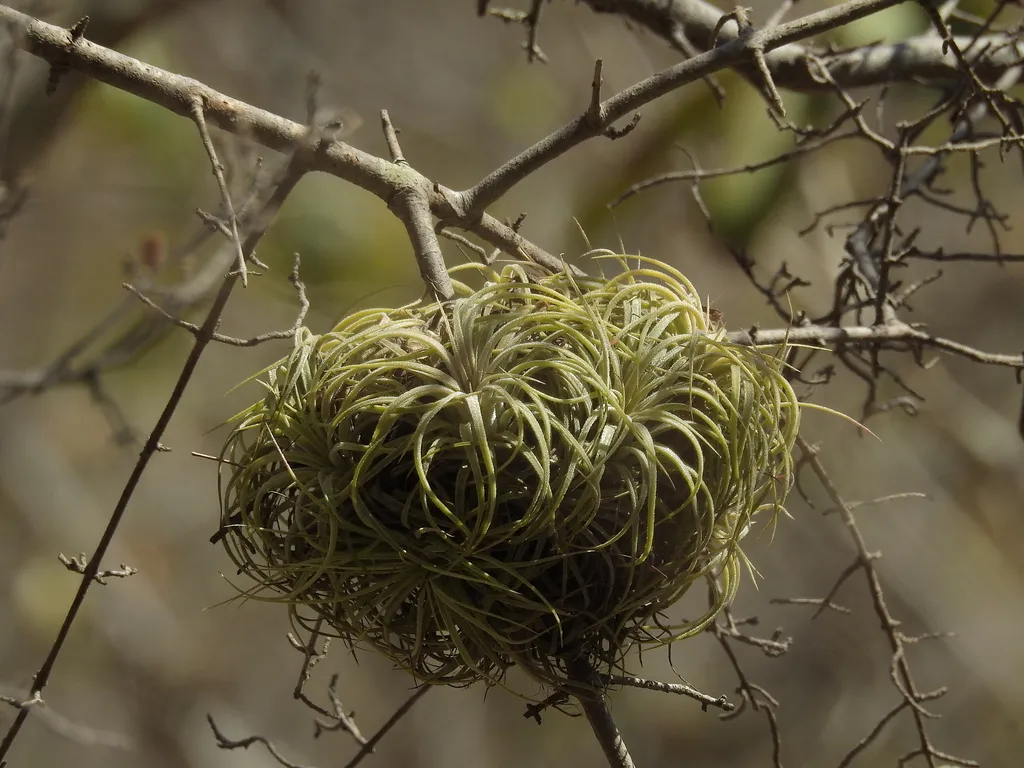
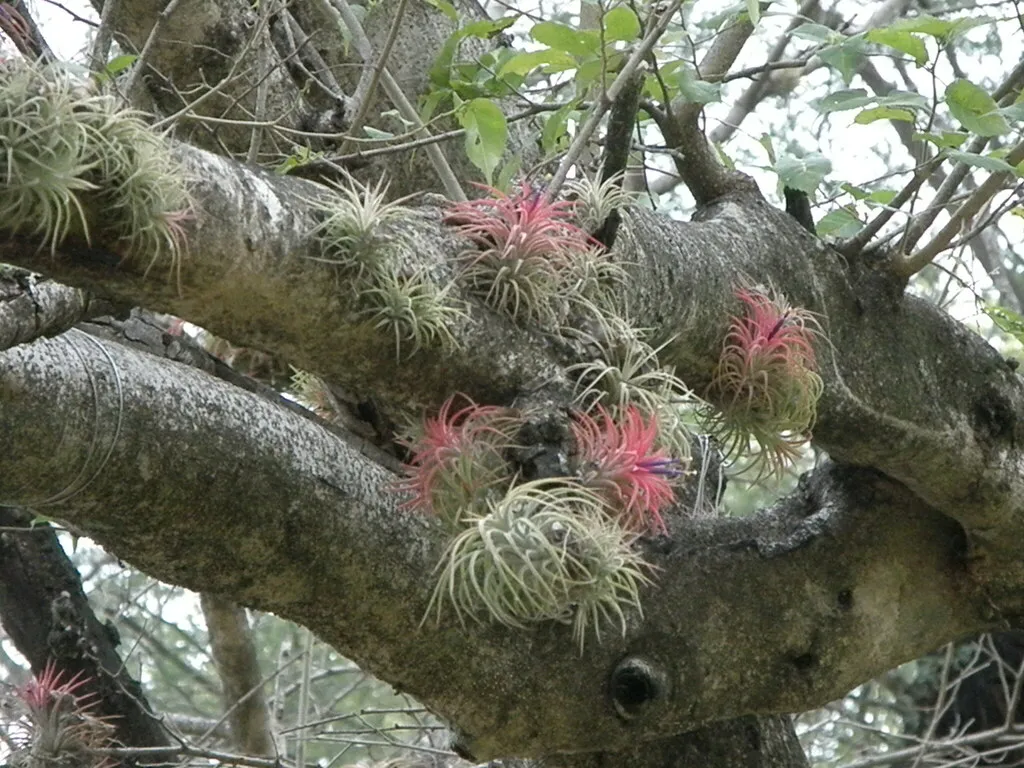
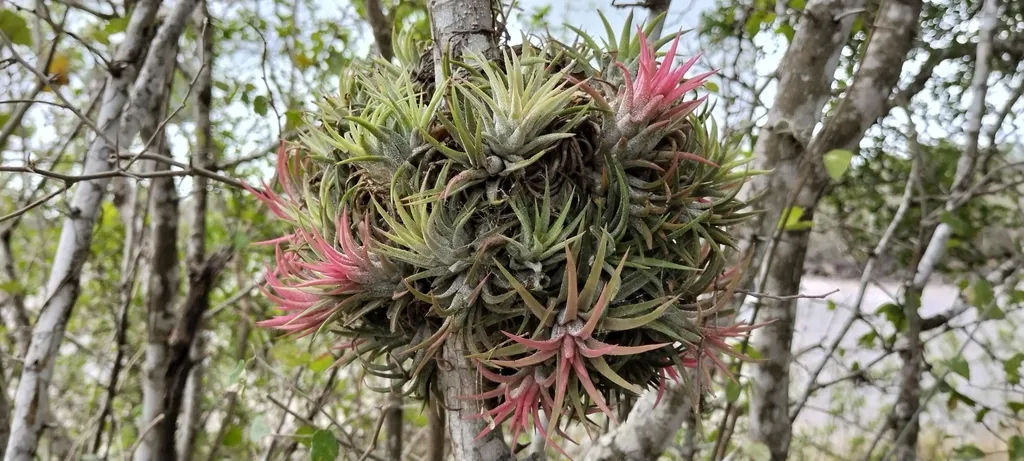
| Care difficulty | 3 / 5 |
|---|---|
| Watering schedule | Moderate regular watering, allowing brief slight drying between soakings |
| Sunlight requirements | Partial shade |
| Ideal temperature | 15 – 25 °C |
| Soil type | Information to be completed |
| Soil pH | Information to be completed |
| Soil moisture | Information to be completed |
| Fertilizing | Balanced perennial feed every four weeks from spring through summer |
| Toxicity | Information to be completed |
How to Water sky plant?
Native to the high humidity environments of Central America, sky plant thrives with frequent aerial moisture and is adapted to absorb water through its leaves. This epiphyte exhibits a preference for high humidity over direct watering, maintaining a balance by extracting moisture from the air. Accordingly, sky plant should be misted daily to mimic its natural conditions. Typically grown indoors due to its small size and ornamental appeal, sky plant benefits significantly from bright, indirect light which enhances its water absorption efficiency.
Learn more →What Are the Sunlight Requirements for sky plant?
Sky plant thrives best in bright, indirect light or partial sun, well-suited for east-facing or lightly shaded south-facing locations. While tolerating full sun, caution is advised as intense midday sunlight can stress the plant, leading to leaf scorch. Adaptively, sky plant may exhibit a change in leaf coloration to a more vibrant hue when receiving adequate light, signalling good health and readiness to flower. Indooral, it's ideal near a window with filtered sunlight. Outdoors, placement under a canopy or in the dappled light of taller plants creates a prime environment for growth and bloom.
Learn more →What Is the Ideal Temperature Range for sky plant?

The sky plant demonstrates remarkable resilience to temperature fluctuations, capable of tolerating cold down to 5℃ (41℉) and heat up to 43℃ (109℉). This wide tolerance range means it can thrive in various environments, though care is needed during extremes. In cold conditions, sky plant may exhibit leaf browning or wilting; in excessive heat, leaf drying or discoloration. Protective measures like bringing the plant indoors or providing shade are essential during these extremes. Such adaptability helps in its care, making sky plant suitable for diverse climates, with specific attention to prevent overcooling or overheating symptoms.
Learn more →What Soil Is Best for sky plant?
The leaves of sky plant are covered with a layer of special water-absorbing cells. They can absorb moisture and nutrients from air or dust. Therefore, most species do not need soil and can be hung directly in the air as decoration on walls, furniture, cork, and stones.
- Soil type
- Information to be completed
- Soil pH
- Information to be completed
How to Fertilize sky plant?

Fertilize sky plant monthly with a balanced, water-soluble formula diluted to quarter strength, enhancing growth and blooming. During spring and summer, increase frequency to bi-weekly. Apply directly to media, avoiding the leaves to prevent burn. In winter, reduce to bimonthly as growth slows. Always fertilize in the morning and when the plant is well-hydrated for optimal uptake. Monitor for signs of over-fertilization, such as leaf tip burn.
Learn more →How to Prune sky plant?

Known for its vibrant colors and unique rosette form, sky plant benefits from minimal pruning. Trim dead or damaged leaves using sterilized scissors in early spring to encourage healthy growth. Avoid cutting healthy foliage, as it can reduce the plant's vigor. Pruning post-flowering helps remove spent blooms, promoting air circulation and preventing rot. Regularly removing dried leaves supports optimal air flow and aesthetics, enhancing the plant's overall health and appearance.
Learn more →How to Propagate sky plant?

Sky plant is best propagated through division during spring or autumn. The process is relatively easy, with successful propagation indicated by new growth. Ensure proper air circulation and humidity for optimal results.
Learn more →How to Transplant sky plant?
The optimal time to transplant sky plant is during early to mid-spring, as this season provides the ideal conditions for growth. For successful transplanting, place sky plant in a bright, well-ventilated area with indirect sunlight. Remember, sky plant thrives without soil, so a unique transplant approach, such as mounting on a branch or hanging, is recommended.
Learn more →How to Care for sky plant in Winter?

Sky plant hails from the dynamic climates of Mexico and Central America, thriving amidst high humidity and warmth. In winter, it goes dormant, conserving energy within its vibrant, rosette-shaped structure. For successful over-wintering, allow sky plant to enjoy bright, indirect light and water sparingly to prevent chilling damage. This remarkable adaption to winter makes sky plant a perfect companion for both newbie and veteran horticultural enthusiasts.
Learn more →How to Plant sky plant?
Indoors-potted: Ensure your sky plant has ample air circulation indoors to mimic its natural aerophyte habitat; it thrives with aerial freedom. Outdoors-potted: Sky plant loves the outdoor breeze but avoid too much direct exposure which may dehydrate its foliage. Outdoors-in the ground: Sky plant isn't typically grown in-ground as it prefers to latch onto surfaces; ensure a supportive structure if attempted.
Learn more →Common Pests & Diseases

Diseases
Generally trouble free
Pests
May be affected by aphids and mealybugs
Explore the plant health library →Troubleshooting
Curled Dry Leaf Tips vs. Dark Mushy Base Rot
sky plant (Tillandsia ionantha) is a soil-free epiphytic air plant that absorbs water through silvery leaf trichomes and rots rapidly if water remains trapped in its rosette base.
| What you notice | Possible explanation | What to check next |
|---|---|---|
| Leaf margins roll tightly inward and tips turn brown and brittle | Dehydration from dry air, excessive heat, or infrequent soaking/misting | Check leaf suppleness and evaluate indoor humidity and watering frequency |
| Central leaves pull out easily with a dark brown or black mushy base | Crown or basal rot caused by water trapped inside the rosette without adequate airflow | Check whether the plant dries completely within 4 hours after watering |
- Grow without soil or water-retentive moss—mount on bark, driftwood, wire, or open shells in bright diffused light.
- Immerse in rainwater or dechlorinated water (or mist thoroughly) during warm growth, then shake gently upside down and dry in good airflow within 4 hours.
- Reduce watering frequency in cool winter weather and protect from frost.
If the central meristem turns black and mushy, the main rosette cannot recover, though healthy side offsets (pups) may sometimes be salvaged.
Post-Bloom Rosette Decline or Scale/Mealybugs
After flowering once, the parent Tillandsia rosette gradually puts its energy into producing side offsets (pups), while mealybugs or scale may shelter between leaf bases.
| What you notice | Possible explanation | What to check next |
|---|---|---|
| Flowering spike fades and outer parent leaves slowly dry while small green pups form at the base | Normal monocarpic life cycle as the mother rosette nurtures offsets | Inspect the base of the plant for emerging side pups |
| White cottony tufts or small brown bumps tucked between overlapping leaf bases | Mealybugs, scale insects, or aphids | Inspect tightly overlapping leaf sheaths under bright light |
- Leave offsets attached to the mother plant until they reach at least one-third to one-half of the parent's size before gently separating them.
- Isolate pest-infested plants and remove visible mealybugs or scale gently with a cotton swab dipped in rubbing alcohol, rinsing well afterward.
- Feed lightly once a month in spring and summer with a bromeliad or orchid fertilizer diluted to quarter strength.
Avoid copper-containing fertilizers or hard, heavily chlorinated tap water, which damage sensitive leaf trichomes.