



Planting and Growing Spanish moss

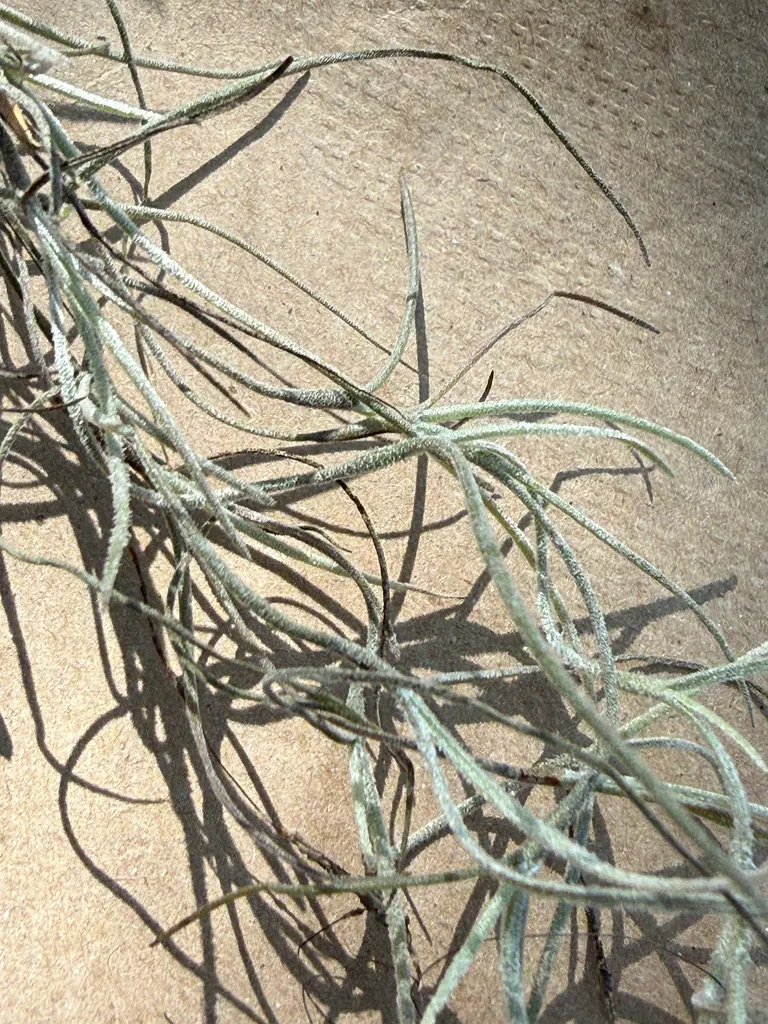
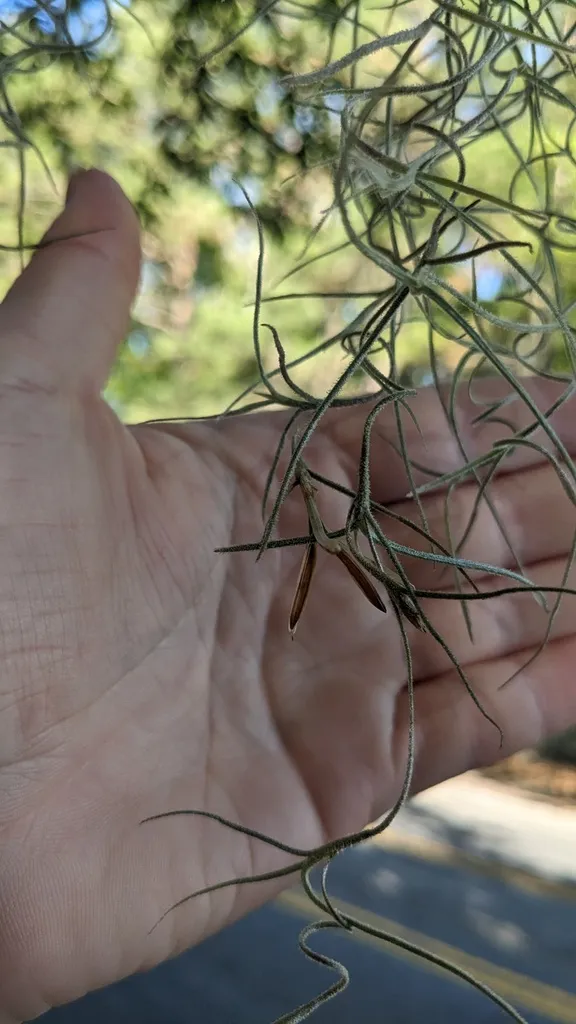
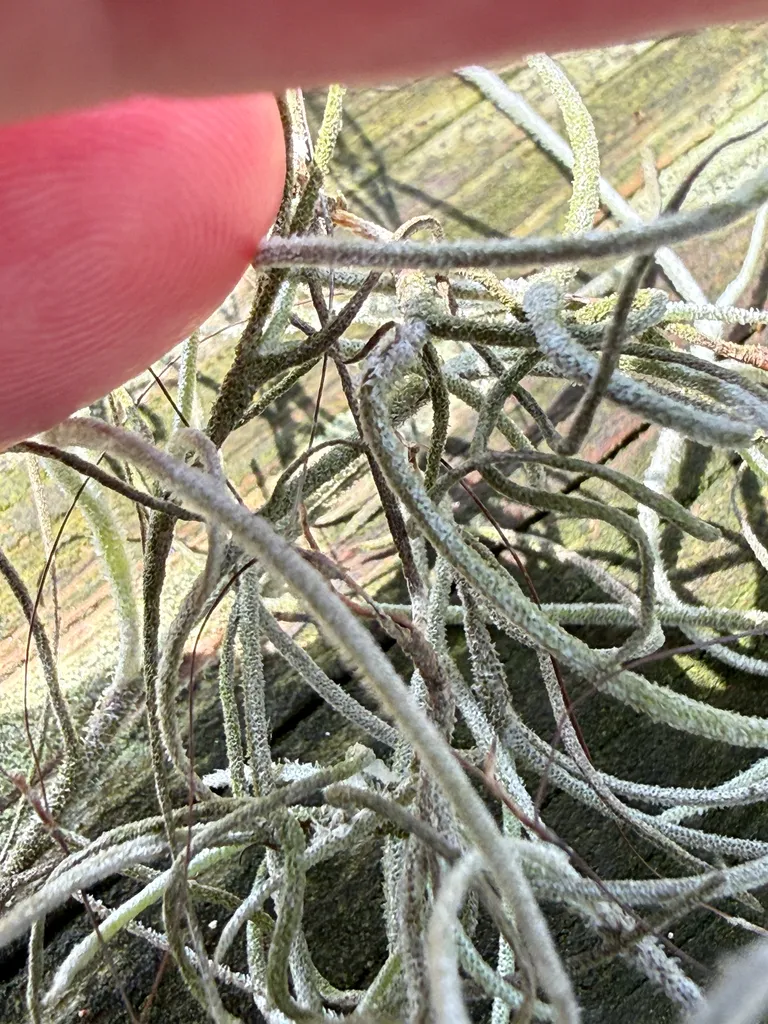
| Care difficulty | 2 / 5 |
|---|---|
| Watering schedule | Moderate regular watering, avoid prolonged drought or waterlogging |
| Sunlight requirements | Full sun |
| Ideal temperature | 15 – 25 °C |
| Soil type | Information to be completed |
| Soil pH | Neutral |
| Soil moisture | Well drained |
| Fertilizing | Balanced feed in spring and light repeat in growth season |
| Toxicity | Information to be completed |
How to Water Spanish moss?
Spanish moss, native to humid environments, has adapted to thrive in high humidity and is remarkably drought-tolerant. It can go extended periods without water, but for optimal growth, a watering schedule of once every week is recommended. Being an epiphytic plant, spanish moss absorbs moisture from the air rather than soil, making it an excellent choice for indoor spaces with high humidity.
Learn more →What Are the Sunlight Requirements for Spanish moss?
Spanish moss flourishes best in locations with partial sun exposure, where it can receive a balance of light and shade throughout the day. Although adept at tolerating full sun, prolonged exposure can lead to excessive drying. Conversely, spanish moss can sustain full shade environments but may exhibit reduced growth and vigor. This epiphytic plant has developed adaptive features to regulate light absorption, such as its unique silvery-gray scales called trichomes that reflect intense sunlight and aid in water absorption. For optimal outdoor growth, spanish moss should be hung or draped over tree branches, where it receives dappled light, mimicking its natural habitat in the upper tree canopy.
Learn more →What Is the Ideal Temperature Range for Spanish moss?

Spanish moss displays notable adaptability to temperature variations, enduring a range from 5℃ to 43℃ (41℉ to 109℉). Such resilience allows it to thrive in diverse environments. However, temperatures outside this range can stress the plant. When exposed to cold beyond its tolerance, spanish moss may exhibit stunted growth or discoloration, while overheating may cause desiccation. Protective measures, like sheltering in extreme cold and ensuring adequate hydration in heat, are crucial. Recognizing and responding to these symptoms promptly ensures spanish moss's health, making it suitable for varied climates with adequate care.
Learn more →What Soil Is Best for Spanish moss?
The leaves of spanish moss are covered with a layer of special water-absorbing cells. They can absorb moisture and nutrients from air or dust. Therefore, most species do not need soil and can be hung directly in the air as decoration on walls, furniture, cork, and stones.
- Soil type
- Information to be completed
- Soil pH
- Neutral
What Are the Moisture Requirements for Spanish moss?
Well drained
Learn more →How to Fertilize Spanish moss?

For spanish moss, use balanced, water-soluble fertilizers monthly during the growing season. Fertilization boosts growth and flowering, ensuring plant vigor. Apply quarter-strength, as spanish moss is sensitive to over-fertilization. During dormancy in winter, cease fertilizing. Using a spray bottle, mist the fertilizer solution onto the plant, allowing for absorption without root drenching. Avoid direct sunlight post-application to prevent burn. Modify frequency based on observed growth changes and seasonality for optimal health.
Learn more →How to Prune Spanish moss?

Spanish moss, an epiphytic bromeliad, features a hanging, thread-like appearance and thrives in humid environments. Prune in early spring to remove dead material and encourage airflow. Trim only the brown, dried strands, avoiding green, healthy parts. Regular pruning prevents overcrowding and helps manage size. The benefits include improved aesthetics and healthier growth. Always use clean, sharp scissors to minimize damage and potential disease transfer.
Learn more →How to Propagate Spanish moss?

Spanish moss primarily propagates through division, best suited for Spring and Autumn seasons. Moderately easy to propagate, successful expansion is marked by new growth and greener, healthier foliage. Maintain consistent moisture and indirect sunlight for optimal results.
Learn more →How to Transplant Spanish moss?
For optimal growth, transplant spanish moss from late summer to mid-fall, as this allows the plant to establish itself before winter arrives. Choose a location with ample sunlight and good air circulation. Be gentle when handling spanish moss to avoid damage.
Learn more →How to Plant Spanish moss?
Indoors-potted: Ensure spanish moss has good air circulation indoors to mimic its natural hanging habitat and prevent rot. Outdoors-potted: In outdoor pots, allow spanish moss room to cascade freely for a dramatic aesthetic effect. Outdoors-in the ground: Spanish moss may struggle outdoors in-ground; it prefers life aloft, clinging to tree bark or other structures.
Learn more →How to Repot Spanish moss?
Airplants can grow in shells, stones, dead trees, fern boards, cane baskets, etc. It can be fixed with wires or ropes.
Learn more →Common Pests & Diseases

Diseases
Usually disease free
Pests
Usually pest-free
Explore the plant health library →Troubleshooting
Browning, Mushy Inner Strands (Core Rot)
Spanish moss (Tillandsia usneoides) has no roots and absorbs water through silvery trichome scales; dense clumps rot quickly if they stay wet without brisk airflow.
| What you notice | Possible explanation | What to check next |
|---|---|---|
| Inner strands inside a thick bundle turn dark brown or black and feel soggy or brittle | Trapped moisture and poor air circulation preventing strands from drying within a few hours | Part the center of the hanging clump to check whether inner strands stay damp |
| Strands turn dull greenish-brown with algae growth | Overly dark, stagnant, humid environment | Assess light exposure and air movement around the hanging site |
- Pull apart dense mats into looser, airy drapes so air circulates through the entire bundle.
- Water early in the day by misting or soaking in rainwater/soft water, then shake off excess water and hang in bright, breezy conditions so strands dry within a few hours.
- Trim out dead, blackened inner strands with clean scissors to restore airflow.
Never keep Spanish moss inside closed glass terrariums or poorly ventilated corners where wet trichomes suffocate.
Dry, Crispy, or Fading Strands
Prolonged dry air, harsh afternoon sun, or mineral-heavy tap water clogs trichomes and desiccates the fine wiry stems.
| What you notice | Possible explanation | What to check next |
|---|---|---|
| Strands remain grey-green and stiff even after misting, with brown crispy tips | Chronic dehydration from dry indoor air or intense direct sun | Observe whether the strands turn bright green when wetted (healthy living tissue turns green when wet and silvery-grey when dry) |
| White crusty residue on strands and stunted growth | Hard tap water minerals or copper-containing treatments harming trichomes | Check water source and avoid copper wires or copper fungicides |
- Test vitality by misting with rainwater or distilled water: living strands turn green within minutes, whereas dead strands stay brown.
- Submerge the clump in room-temperature rainwater or soft water for 20–30 minutes when dehydrated, then shake dry and hang in bright, filtered light.
- Hang using non-copper wire, fishing line, or natural wood/bark branches (copper is toxic to Tillandsia).
Discard strands that remain brown and brittle when wet, as dead tissue cannot recover.