



Planting and Growing King of air plants

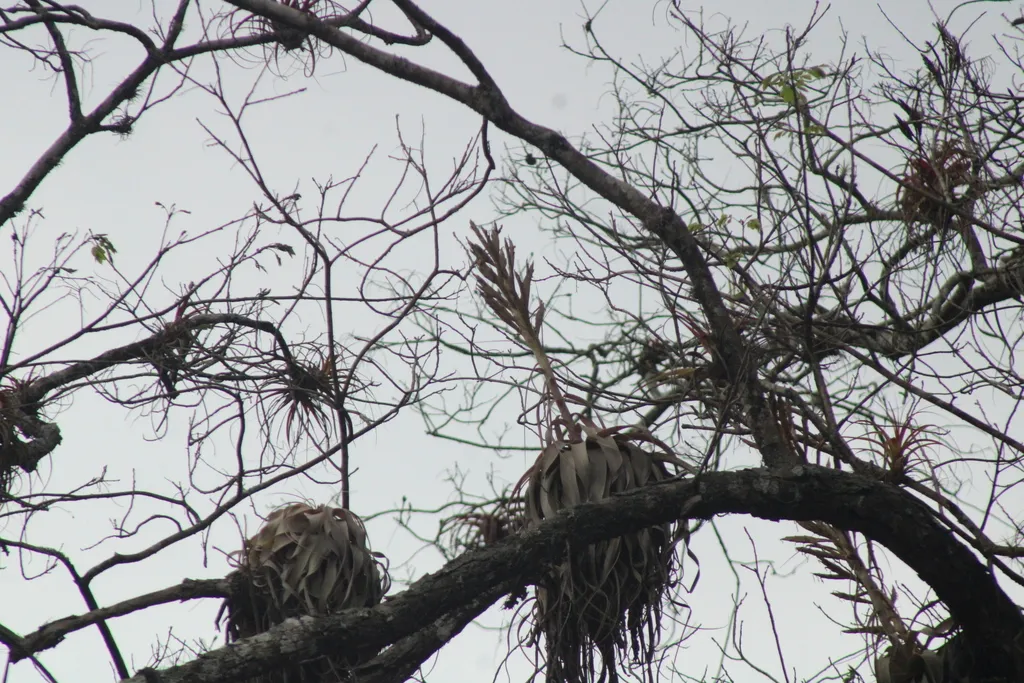
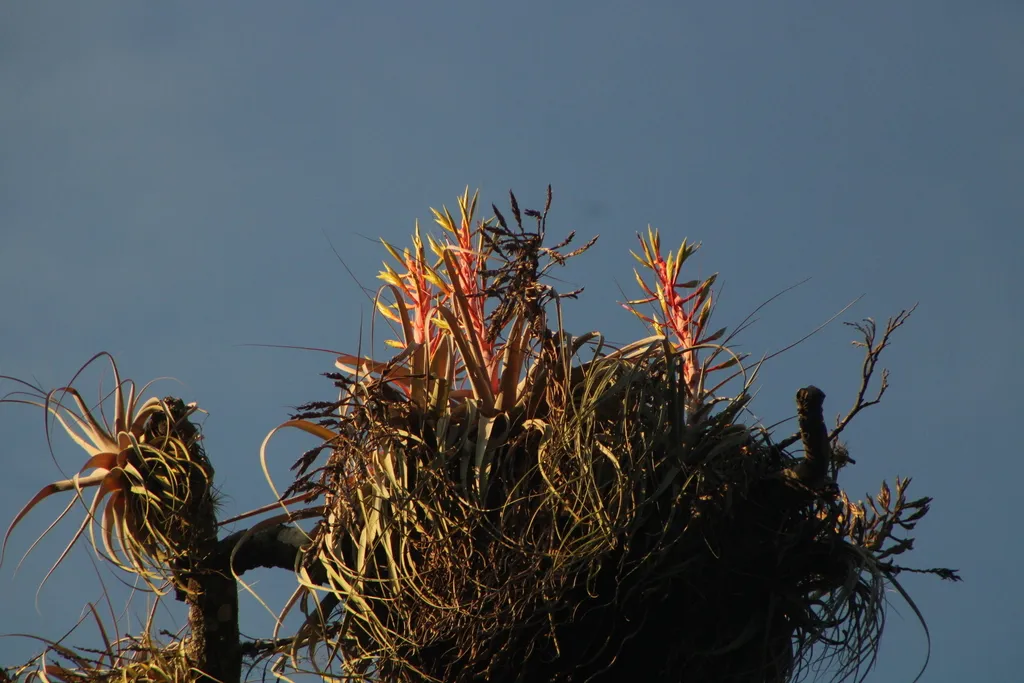
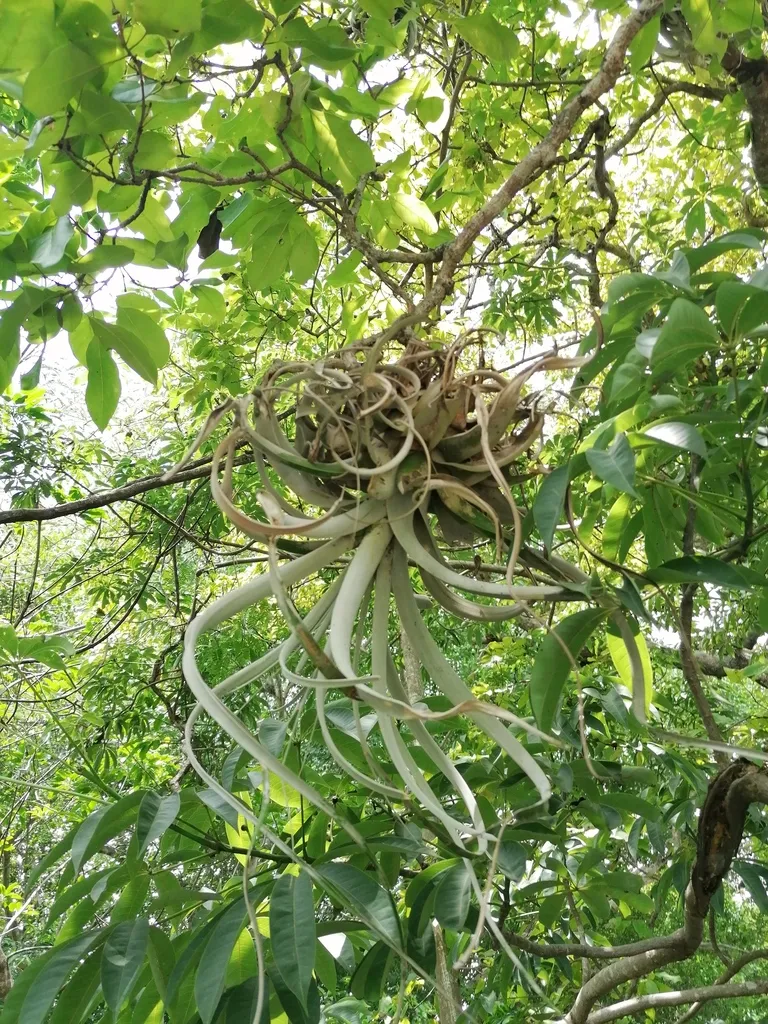
| Care difficulty | 2 / 5 |
|---|---|
| Watering schedule | Soak for 20 minutes weekly, shake off excess |
| Sunlight requirements | Partial shade |
| Ideal temperature | 15 – 25 °C |
| Soil type | Information to be completed |
| Soil pH | Information to be completed |
| Soil moisture | Information to be completed |
| Fertilizing | Monthly with bromeliad fertilizer diluted to 1/4 strength |
| Toxicity | Information to be completed |
How to Water King of air plants?
Native to the semi-arid climates of Central America, air plant thrives in environments with high air circulation and some humidity. This species exhibits a remarkable drought tolerance, requiring minimal water to sustain its unique epiphytic lifestyle. Watering should be consistent with once every week to maintain optimal health. As an epiphyte commonly grown indoors, air plant benefits significantly from occasional misting to replicate the moisture levels it would experience in its natural habitat, especially during its active growth cycles.
Learn more →What Are the Sunlight Requirements for King of air plants?
Air plant thrives best under partial sunlight, where the light is bright but indirect. This optimizes its growth and preserves the health of its distinctive silver-green leaves, enhancing their capability to absorb moisture and nutrients from the air. While air plant can tolerate full sun, excessive direct sunlight can lead to leaf burn and color bleaching, compromising its overall vitality. Ideally situated in outdoor spaces with dappled light or areas shaded by larger plants, air plant demonstrates robust adaptability by adjusting leaf orientation to mitigate intense light exposure.
Learn more →What Is the Ideal Temperature Range for King of air plants?

Air plant is native to tropical and subtropical regions such as Mexico and South America. In its original habitat, it usually grows on the surface of branches or rocks. It prefers warm climates. The ideal growth temperature for it ranges from 12 to 30 ℃, and the optimum temperature is around 21 ℃. Some species can withstand temperatures as low as 0 ℃. Air plants in genus Tillandsia generally come from sunny and dry areas and require little water. Air plant likes a well-ventilated environment and needs plenty of fresh air. Don’t use much moss in its cultivation, as it can suffocate. Place in a well-ventilated position, preferably where there is always a breeze, or where leaves can dry within 4-6 hours after misting or soaking. Also, protect the plant from hot air blowing on it.
Learn more →What Soil Is Best for King of air plants?
The leaves of air plant are covered with a layer of special water-absorbing cells. They can absorb moisture and nutrients from air or dust. Therefore, most species do not need soil and can be hung directly in the air as decoration on walls, furniture, cork, and stones.
- Soil type
- Information to be completed
- Soil pH
- Information to be completed
How to Fertilize King of air plants?

For air plant, use balanced, water-soluble fertilizers quarterly, decreasing in winter. This promotes growth and vibrant inflorescence. Apply at 1/4 strength to avoid buildup, essential for epiphytes with sensitive trichomes. Seasonal adjustments enhance nutrient uptake. Mist the solution onto leaves, not soil, for direct absorption. Experienced gardeners may opt for bromeliad-specific formulas for tailored nourishment.
Learn more →How to Prune King of air plants?

Known for its rosette of silvery leaves and large, spherical form, air plant requires minimal pruning. Trim dead or damaged leaves with sterilized shears in early spring to enhance air circulation and aesthetic appeal. Avoid over-pruning to prevent stress. Regularly removing dried leaves helps maintain health and vigor. Pruning also stimulates growth and improves light penetration. Refer to established horticultural guides for best practices and ensure tools are clean to prevent infections.
Learn more →How to Propagate King of air plants?

A perennial, herbaceous plant, air plant is effectively propagated through the smart division of clumps. Enthusiasts must delicately separate pups from the mother plant when they are about one-third the size. Careful handling ensures roots are not damaged, promoting healthy growth when replanted. Success hinges on recreating air plant's native airy and bright conditions, with well-draining substrates supporting optimal development. Proper propagation fosters the longevity and health of air plant, enabling a sustainable approach to cultivating these unique specimens.
Learn more →How to Transplant King of air plants?
Transplant air plant as the warmth of late spring melds into the mild early summer days, ensuring optimal growth. Choose bright, indirect light locations and gently settle roots for a seamless transition, fostering robust vitality.
Learn more →How to Plant King of air plants?
Air plant is usually placed in shells or on rocks, slate, driftwood, etc. You can use special adhesive sold by garden centers to stick it to an ideal site, or you can lay it directly on a special base. Do not cover the base of the plant with moss, or it will rot.
Learn more →Common Pests & Diseases

Diseases
Remove individual rosettes that have died after flowering
Pests
May be susceptible to aphids and mealybugs
Explore the plant health library →Troubleshooting
Curled Dry Leaf Tips vs. Dark Mushy Base Rot
King of air plants (Tillandsia xerographica) is a soil-free epiphytic air plant that absorbs water through silvery leaf trichomes and rots rapidly if water remains trapped in its rosette base.
| What you notice | Possible explanation | What to check next |
|---|---|---|
| Leaf margins roll tightly inward and tips turn brown and brittle | Dehydration from dry air, excessive heat, or infrequent soaking/misting | Check leaf suppleness and evaluate indoor humidity and watering frequency |
| Central leaves pull out easily with a dark brown or black mushy base | Crown or basal rot caused by water trapped inside the rosette without adequate airflow | Check whether the plant dries completely within 4 hours after watering |
- Grow without soil or water-retentive moss—mount on bark, driftwood, wire, or open shells in bright diffused light.
- Immerse in rainwater or dechlorinated water (or mist thoroughly) during warm growth, then shake gently upside down and dry in good airflow within 4 hours.
- Reduce watering frequency in cool winter weather and protect from frost.
If the central meristem turns black and mushy, the main rosette cannot recover, though healthy side offsets (pups) may sometimes be salvaged.
Post-Bloom Rosette Decline or Scale/Mealybugs
After flowering once, the parent Tillandsia rosette gradually puts its energy into producing side offsets (pups), while mealybugs or scale may shelter between leaf bases.
| What you notice | Possible explanation | What to check next |
|---|---|---|
| Flowering spike fades and outer parent leaves slowly dry while small green pups form at the base | Normal monocarpic life cycle as the mother rosette nurtures offsets | Inspect the base of the plant for emerging side pups |
| White cottony tufts or small brown bumps tucked between overlapping leaf bases | Mealybugs, scale insects, or aphids | Inspect tightly overlapping leaf sheaths under bright light |
- Leave offsets attached to the mother plant until they reach at least one-third to one-half of the parent's size before gently separating them.
- Isolate pest-infested plants and remove visible mealybugs or scale gently with a cotton swab dipped in rubbing alcohol, rinsing well afterward.
- Feed lightly once a month in spring and summer with a bromeliad or orchid fertilizer diluted to quarter strength.
Avoid copper-containing fertilizers or hard, heavily chlorinated tap water, which damage sensitive leaf trichomes.