



Planting and Growing apple 'Egremont Russet'

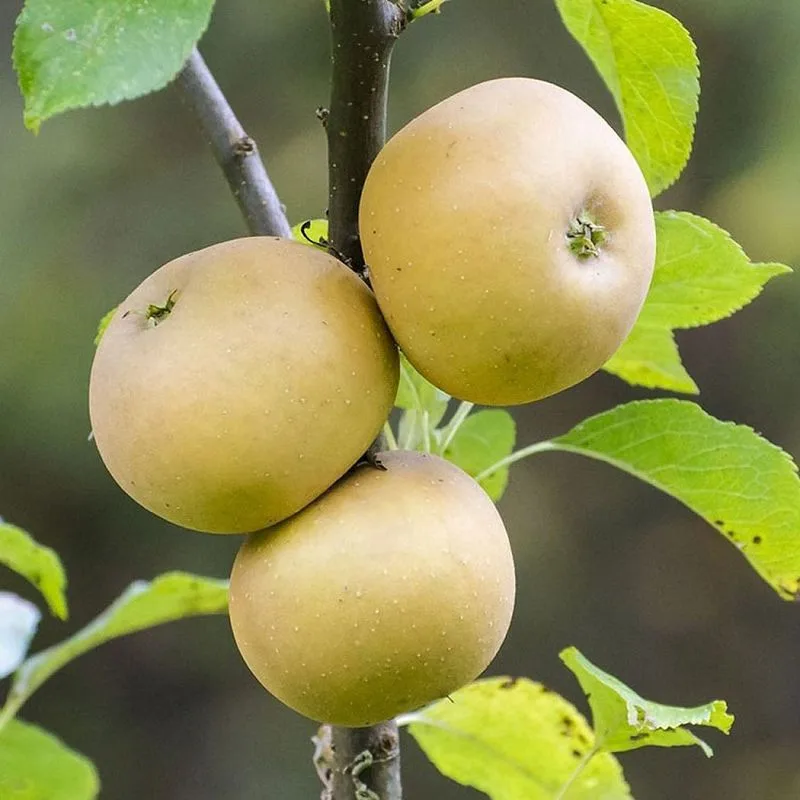
| Care difficulty | 3 / 5 |
|---|---|
| Watering schedule | Deep infrequent watering, tolerate mild drought after full root establishment |
| Sunlight requirements | Full sun · Partial shade |
| Ideal temperature | Information to be completed |
| Soil type | Clay · Loam · Sand |
| Soil pH | Neutral |
| Soil moisture | Moist but well drained · Well drained |
| Fertilizing | Fruit tree slow-release feed applied once yearly at early spring growth |
| Toxicity | Information to be completed |
How to Water apple 'Egremont Russet'?
Deep infrequent watering, tolerate mild drought after full root establishment
Learn more →What Are the Sunlight Requirements for apple 'Egremont Russet'?
Full sun · Partial shade
Learn more →What Soil Is Best for apple 'Egremont Russet'?
- Soil type
- Clay · Loam · Sand
- Soil pH
- Neutral
What Are the Moisture Requirements for apple 'Egremont Russet'?
Moist but well drained · Well drained
Learn more →How to Fertilize apple 'Egremont Russet'?

Fruit tree slow-release feed applied once yearly at early spring growth
Learn more →How to Prune apple 'Egremont Russet'?

Regular pruning is required - see apple pruning; spur bearing
Learn more →How to Propagate apple 'Egremont Russet'?

Propagate by chip budding or grafting onto a clonal rootstock for fruit. The rootstock used will largely determine the vigour of the tree
Learn more →How to Plant apple 'Egremont Russet'?
It will crop best in a sunny situation. The height will depend on the rootstock and training method. Suitable for all training forms. Keep a clear area around the trunk of at least 60cm radius. Fruit thinning may be required. For more details see apple cultivation or visit our Grow Your Own guide to apples
Learn more →Common Pests & Diseases

Diseases
May be susceptible to apple canker, apple scab, blossom wilt, brown rot, fireblight, honey fungus and powdery mildews
Pests
May be susceptible to aphids, including woolly aphid and rosy apple aphid, fruit tree red spider mite, codling moth and other caterpillars
Explore the plant health library →