



Planting and Growing balsam-yielding giant houseleek

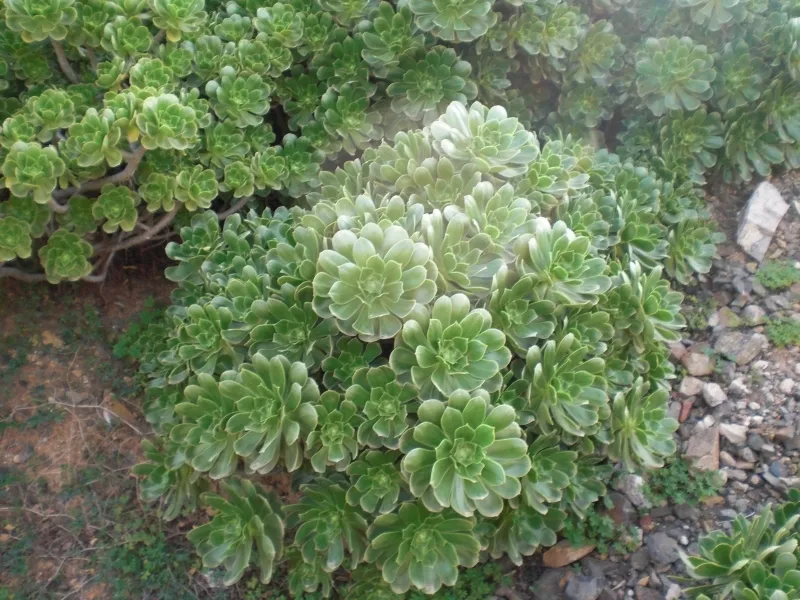
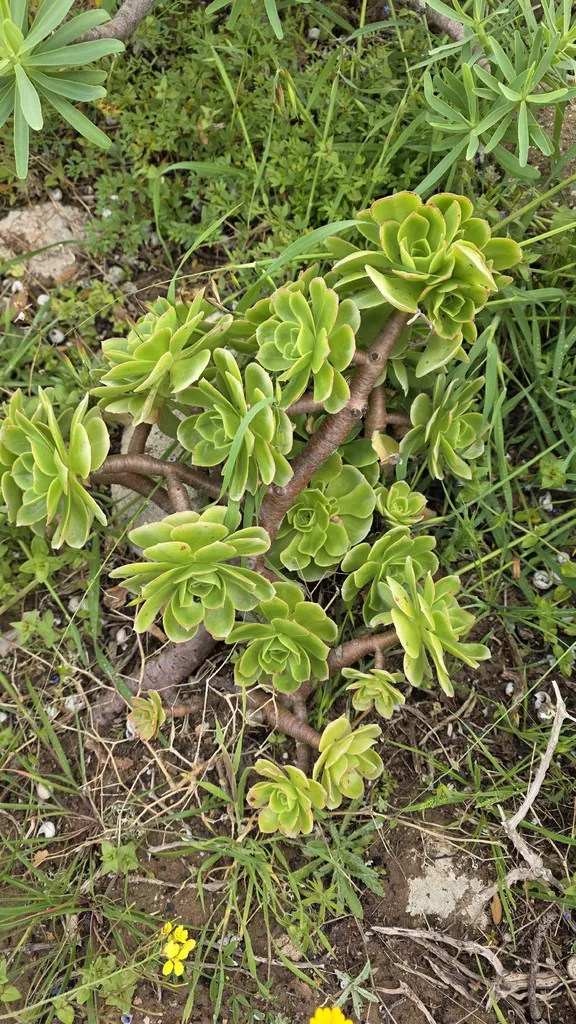
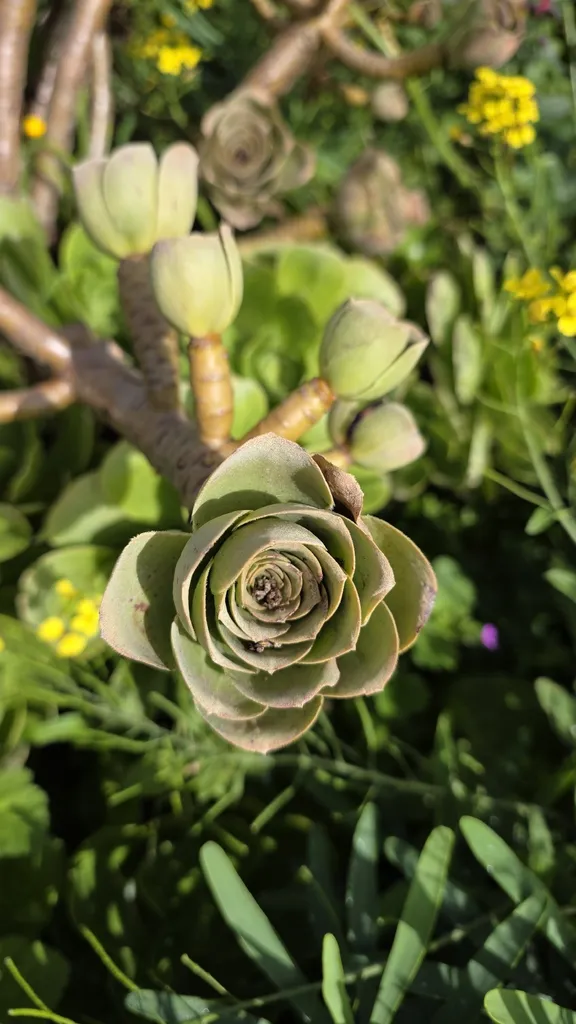
| Care difficulty | 3 / 5 |
|---|---|
| Watering schedule | Let gritty soil dry fully before each thorough watering cycle |
| Sunlight requirements | Full sun |
| Ideal temperature | Information to be completed |
| Soil type | Loam · Sand |
| Soil pH | Acid · Alkaline · Neutral |
| Soil moisture | Well drained |
| Fertilizing | Very dilute low-nitrogen succulent feed monthly in warm growth |
| Toxicity | Information to be completed |
How to Water balsam-yielding giant houseleek?
Let gritty soil dry fully before each thorough watering cycle
Learn more →What Are the Sunlight Requirements for balsam-yielding giant houseleek?
Full sun
Learn more →What Soil Is Best for balsam-yielding giant houseleek?
- Soil type
- Loam · Sand
- Soil pH
- Acid · Alkaline · Neutral
What Are the Moisture Requirements for balsam-yielding giant houseleek?
Well drained
Learn more →How to Fertilize balsam-yielding giant houseleek?

Very dilute low-nitrogen succulent feed monthly in warm growth
Learn more →How to Prune balsam-yielding giant houseleek?

No pruning required
Learn more →How to Propagate balsam-yielding giant houseleek?

Propagate by seed, sown at 19-24°C in spring (it does not reproduce readily from seed) or take rosette stem-tip softwood cuttings in early summer; wait until calluses have formed, then insert in sandy compost and in moderate light at 18°C, and keep just moist until rooted
Learn more →How to Plant balsam-yielding giant houseleek?
Grow under glass in a cool or temperate greenhouse or conservatory or as a houseplant in filtered light, in a standard cactus compost (or John Innes No 2 with an added third of extra grit or fine gravel) and allow it to dry out almost completely between waterings; for more advice see houseplant cacti and succulent cultivation
Learn more →Common Pests & Diseases

Diseases
Generally disease-free
Pests
May susceptible to aphids and mealybugs
Explore the plant health library →