



Planting and Growing quince

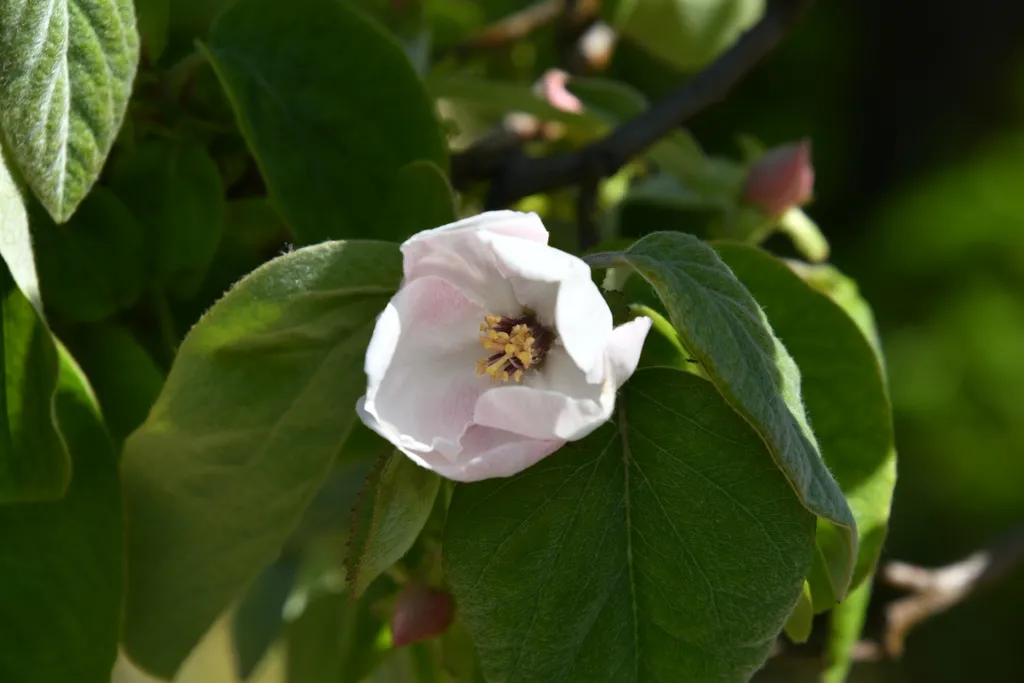
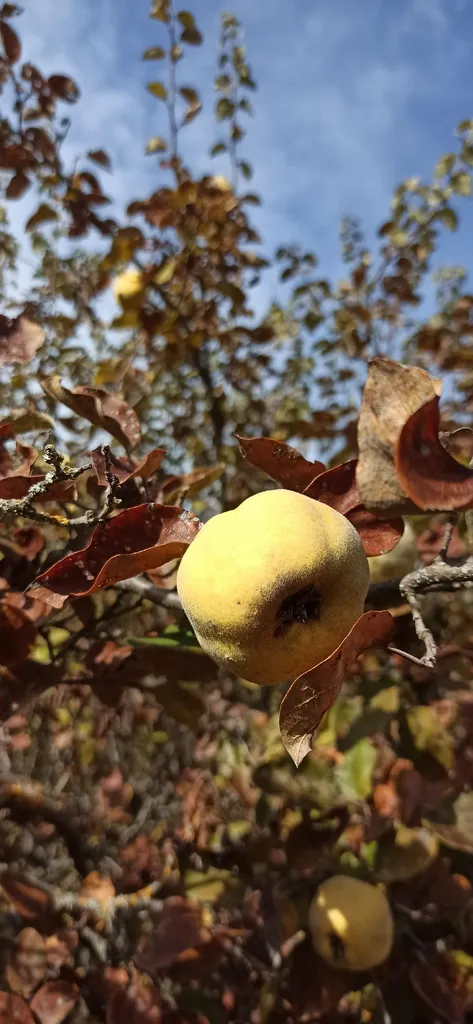
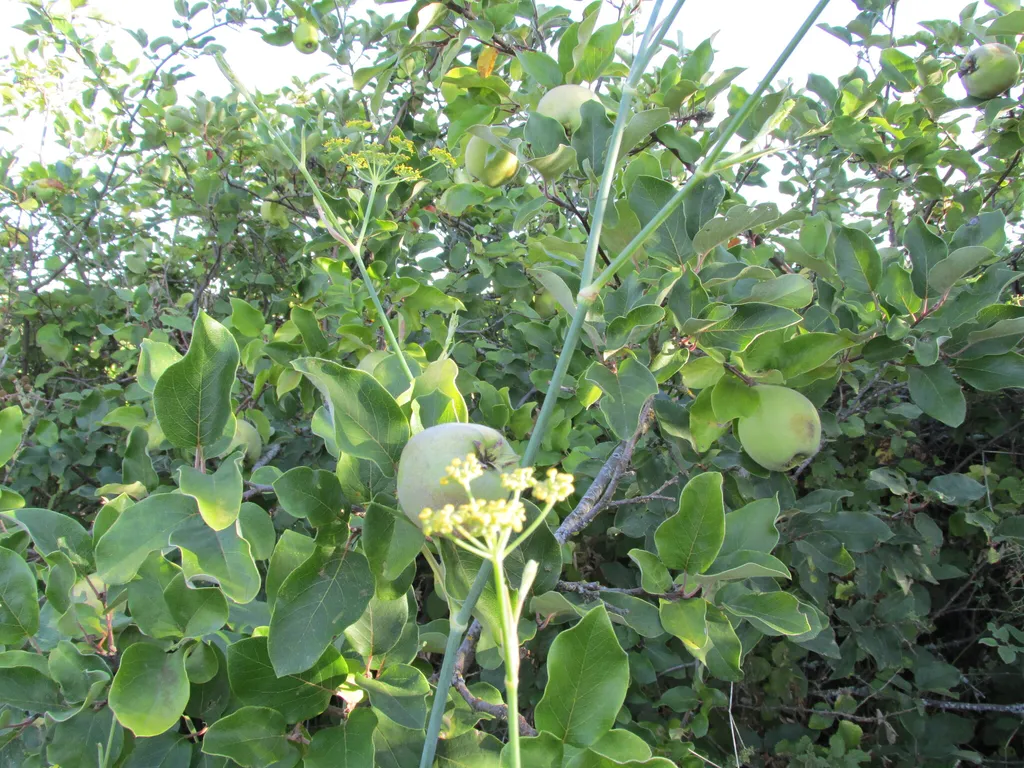
| Care difficulty | 3 / 5 |
|---|---|
| Watering schedule | Deep root watering during hot dry spells, mature quince resists mild drought |
| Sunlight requirements | Full sun |
| Ideal temperature | 15 – 25 °C |
| Soil type | Clay · Loam |
| Soil pH | Acid · Alkaline · Neutral |
| Soil moisture | Moist but well drained |
| Fertilizing | Fruit shrub slow-release balanced feed single early spring application |
| Toxicity | Information to be completed |
How to Water quince?
Originating from the temperate regions, quince has adapted to moderate moisture levels, indicative of its preference for well-drained soil and tolerance to brief dry spells. This resilience is complemented by a watering schedule of once every 1-2 weeks, ensuring a balance between hydration and drought resistance. As a deciduous plant commonly grown outdoors, quince's water needs fluctuate with the seasons; it requires more frequent watering during its active growth in spring and less as it prepares for dormancy in fall.
Learn more →What Are the Sunlight Requirements for quince?
Quince thrives best under full sunlight, where it enjoys direct exposure for optimal growth and health. This exposure is crucial for vigorous growth, prolific flowering, and fruit production. Quince is moderately tolerant to partial sun, especially in regions with intense midday heat, which can prevent scorching. In partial sun, quince might exhibit slower growth rates and reduced flowering compared to full sun conditions. It is important to plant quince in positions that ensure maximum light exposure. This strategy enhances its overall vitality and productive capacity, marking full sunlight as its prime growing condition.
Learn more →What Is the Ideal Temperature Range for quince?

Quince demonstrates notable resilience to temperature fluctuations, tolerating cold as low as -20℃ (-4℉) and heat up to 35℃ (95℉). This adaptability means quince can thrive in varied climates but requires protection in extreme weather. In frigid conditions, symptoms like leaf browning and branch die-back may appear, while extreme heat can cause leaf scorch and reduced fruit quality. To prevent damage, shield quince from severe cold using frost covers and mulch, and in intense heat, provide shade and ensure adequate watering. These measures are critical for maintaining the health and productivity of quince in diverse environments.
Learn more →What Soil Is Best for quince?
Ensure good drainage for quince by using well-aerated soil. For a suitable mix, combine garden soil with organic compost and sand to prevent water-logging. If sand is unavailable, perlite is a good alternative. Add a balanced, slow-release fertilizer in early spring and autumn to support growth. Avoid water-logged conditions by using raised beds or containers with adequate drainage holes.
- Soil type
- Clay · Loam
- Soil pH
- Acid · Alkaline · Neutral
What Are the Moisture Requirements for quince?
Moist but well drained
Learn more →How to Fertilize quince?

For optimal growth, quince benefits from balanced fertilizers (e.g., 10-10-10), applied yearly in early spring. Fertilization promotes vigorous growth, enhanced flowering, and fruit production. Use recommended label rates; excessive amounts can damage roots. Adjust quantities for plant size and age—less for young, more for mature quince. Fertilizing during dormant periods should be avoided. Practical tip: incorporate fertilizer into the soil around the drip line for even distribution and roots' uptake efficiency.
Learn more →How to Prune quince?

Known for its aromatic fruit and attractive blossoms, quince should be pruned in late winter when it's dormant. Remove dead or diseased wood, thin out congested branches, and reduce overall canopy size to improve air circulation and light penetration. Pruning encourages healthier growth and can enhance fruit production. Ensure clean, sharp tools to avoid damaging the plant.
Learn more →How to Propagate quince?

Quince propagation typically occurs during Spring and Winter through grafting and layering methods. Though moderately challenging, successful propagation is indicated by new growth and the development of roots. Ensure proper technique and timing for best results.
Learn more →How to Transplant quince?
To ensure the transplant success of quince, opt for the perfect period of early to mid-spring. This is because the plant's roots establish best during this season. Choose a location with fertile, well-draining soil, and sun exposure. Remember, proper planning while transplanting secures a flourishing future for your quince.
Learn more →How to Plant quince?
Indoors-potted: Indoor cultivation of quince is challenging due to its size and light requirements; suitable for large, sunny spaces where growth can be accommodated. Outdoors-potted: When potted outdoors, ensure quince has ample room to expand—its roots are vigorous and can quickly outgrow confined spaces. Outdoors-in the ground: In the ground, quince thrives with minimal care but watch for overcrowding as it may inhibit fruit production, which is often this plant's highlight.
Learn more →How to Repot quince?
Repot quince, a large shrub, every 2-3 years to encourage healthy growth. Springtime is best, post-dormancy, before the new growth cycle begins. Move quince to a slightly larger container to accommodate root development. Post-repotting, ensure ample water and avoid direct sun to reduce stress. Use a pot which provides good drainage to prevent root rot, essential for quince's well-being.
Learn more →Common Pests & Diseases

Diseases
May be susceptible to quince leaf blight, brown rot, fireblight, powdery mildews and honey fungus
Pests
Can occasionally be affected by caterpillars and aphids
Explore the plant health library →Troubleshooting
Leaf Scorch, Yellowing Chlorosis, or Root/Crown Decline
quince (Cydonia oblonga) depends on deep, well-drained soil and appropriate sun/moisture balance; waterlogged roots, drought stress, or unsuitable soil pH quickly show in foliage color.
| What you notice | Possible explanation | What to check next |
|---|---|---|
| Leaf margins turn brown and crispy in summer heat, or young foliage wilts despite adequate sunlight | Drought stress, drying winds, or afternoon sun scorch (especially on newly planted trees/shrubs) | Check soil moisture 10–15 cm (4–6 inches) deep and assess afternoon sun and wind exposure |
| Leaves turn pale yellow between dark green veins or whole canopy yellows and thins | Unsuitable soil pH locking up iron/manganese or poor drainage causing root rot | Test soil pH and inspect root-zone drainage after heavy rain or irrigation |
- Plant in well-drained soil suited to its pH needs (Acid, Alkaline, Neutral pH) in full sun, mulching the root zone with organic bark or leaf mold kept clear of the trunk.
- Water deeply during dry spells, especially in the first two years after planting: Deep root watering during hot dry spells, mature quince resists mild drought.
- Protect frost-tender or container-grown woody species before winter freezes.
If sudden branch dieback with dark vascular streaking or mushroom growth at the base occurs (suspected Verticillium wilt or honey fungus), prune out dead wood cleanly and consult local extension diagnostics.
Poor Flowering/Fruiting or Sap-Sucking Pests and Mildew
Insufficient sunlight, improper pruning timing, or dense unpruned canopies can reduce blooms and fruit while encouraging aphids, scale, caterpillars, or powdery mildew.
| What you notice | Possible explanation | What to check next |
|---|---|---|
| Vigorous leafy shoots with few flowers or poor fruit set | Excessive shade, high-nitrogen fertilizer, or pruning off old-wood flower buds at the wrong season | Review daily sun hours, fertilizer ratio, and pruning timing |
| Curled sticky new shoots, white powdery leaf coating, or chewed foliage | Common pests (Can occasionally be affected by caterpillars and aphids) or fungal issues (May be susceptible to quince leaf blight, brown rot, fireblight, powdery mildews and honey fungus) | Inspect shoot tips, leaf undersides, and inner canopy airflow |
- Prune at the appropriate seasonal window: Little pruning is needed. Remove diseased, damaged, crowded or crossing shoots and unwanted growth. Timing depends on the plant: generally late winter or early spring; plants prone to bleeding and deciduous magnolias need different timing, and deciduous azaleas and lilacs are pruned after flowering..
- Thin crowded interior shoots to improve sunlight penetration and air circulation, and clean up fallen leaves in autumn.
- Blast aphids off sturdy shoots with a firm water spray or use insecticidal soap per label instructions.
Avoid late-summer nitrogen feeding, which forces soft late growth vulnerable to early autumn frost.