
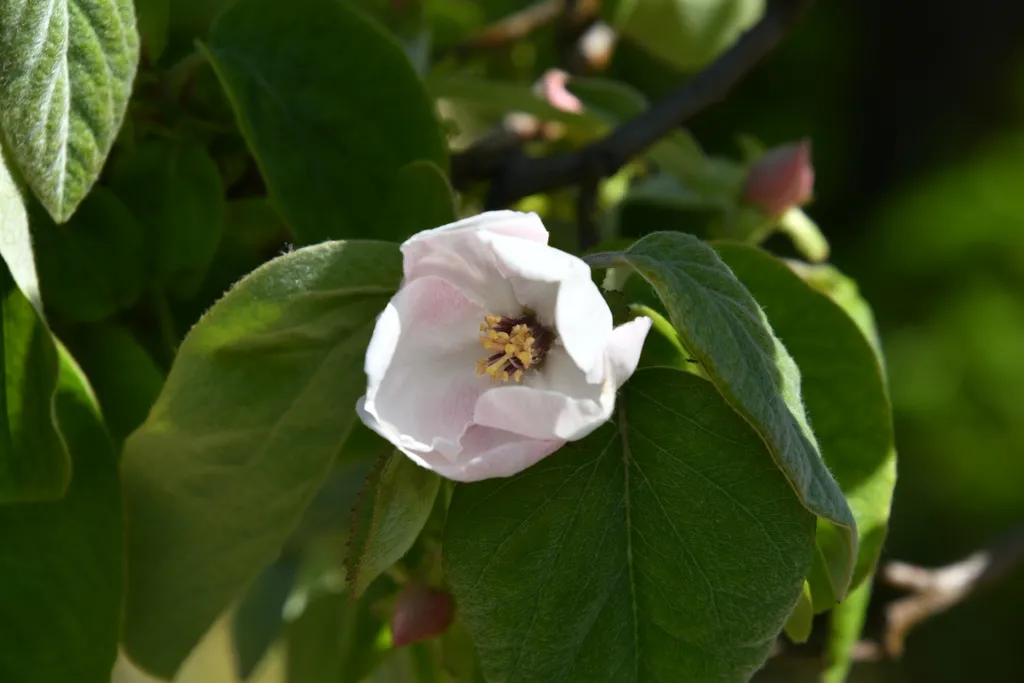



quince

quince · Temperature

quince · Cydonia oblonga
Also known as: common quince

Quince is generally considered easy to care for, thriving best when planted in well-draining soil and full sun exposure. Notably, it requires adequate water during the growing and fruiting seasons, with a special emphasis on regular irrigation intervals to ensure proper development. Winter care is minimal, but protection from severe frosts is essential to prevent damage, especially for younger trees. Pruning is required to maintain shape and promote healthy growth, typically conducted in late winter.

Watering: Deep root watering during hot dry spells, mature quince resists mild droughtSunlight: Full sunInformation to be completed

What Is the Ideal Temperature Range for quince?

Quince demonstrates notable resilience to temperature fluctuations, tolerating cold as low as -20℃ (-4℉) and heat up to 35℃ (95℉). This adaptability means quince can thrive in varied climates but requires protection in extreme weather. In frigid conditions, symptoms like leaf browning and branch die-back may appear, while extreme heat can cause leaf scorch and reduced fruit quality. To prevent damage, shield quince from severe cold using frost covers and mulch, and in intense heat, provide shade and ensure adequate watering. These measures are critical for maintaining the health and productivity of quince in diverse environments.

PlantCare

Your Ultimate Guide to Plants

Identify, grow and nurture the better way!

PlantCare plant identification and care illustration
PlantCare

Botanist in your pocket

Scan to download PlantCareDownload on the App Store

Scan the QR code with your phone camera to download the app