



Planting and Growing dwarf broom

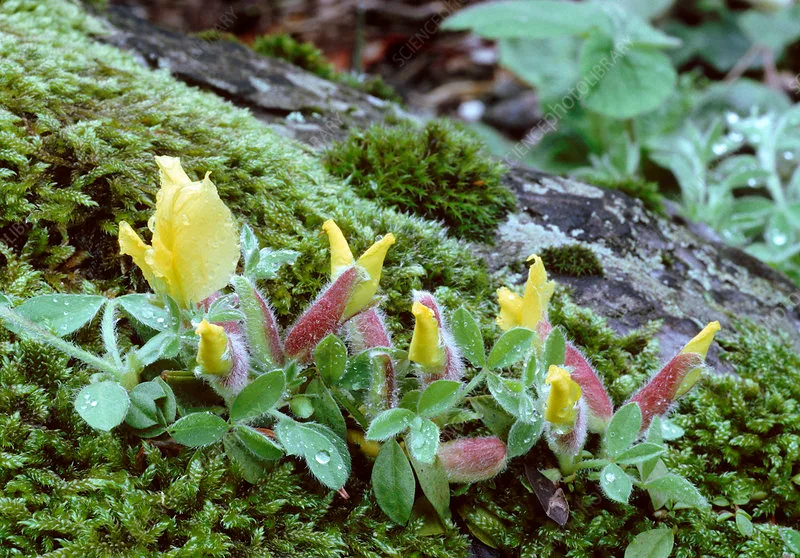
| Care difficulty | 2 / 5 |
|---|---|
| Watering schedule | Moderate regular watering, avoid prolonged drought or waterlogging |
| Sunlight requirements | Full sun |
| Ideal temperature | Information to be completed |
| Soil type | Loam · Sand |
| Soil pH | Acid · Neutral |
| Soil moisture | Well drained |
| Fertilizing | Balanced feed in spring and light repeat in growth season |
| Toxicity | Harmful if eaten. Wear gloves and other protective equipment when handling |
How to Water dwarf broom?
Moderate regular watering, avoid prolonged drought or waterlogging
Learn more →What Are the Sunlight Requirements for dwarf broom?
Full sun
Learn more →What Soil Is Best for dwarf broom?
- Soil type
- Loam · Sand
- Soil pH
- Acid · Neutral
What Are the Moisture Requirements for dwarf broom?
Well drained
Learn more →How to Fertilize dwarf broom?

Balanced feed in spring and light repeat in growth season
Learn more →How to Prune dwarf broom?

Shorten flowered shoots to vigorous sideshoots; remove about a third of stems at ground level annually. Prune immediately after flowering.
Learn more →How to Propagate dwarf broom?

Propagate by semi-ripe cuttings in late summer
Learn more →How to Plant dwarf broom?
Grow in moderately fertile well-drained soil in full sun, tolerant of a range of soils but best in poor acid soils. Plant directly from tubs when small as they resent transplanting
Learn more →Common Pests & Diseases

Diseases
May be susceptible to honey fungus
Pests
May be susceptible to broom gall mites
Explore the plant health library →The Toxicity of dwarf broom
Harmful if eaten. Wear gloves and other protective equipment when handling