
dwarf broom
Also known as: Information to be completed
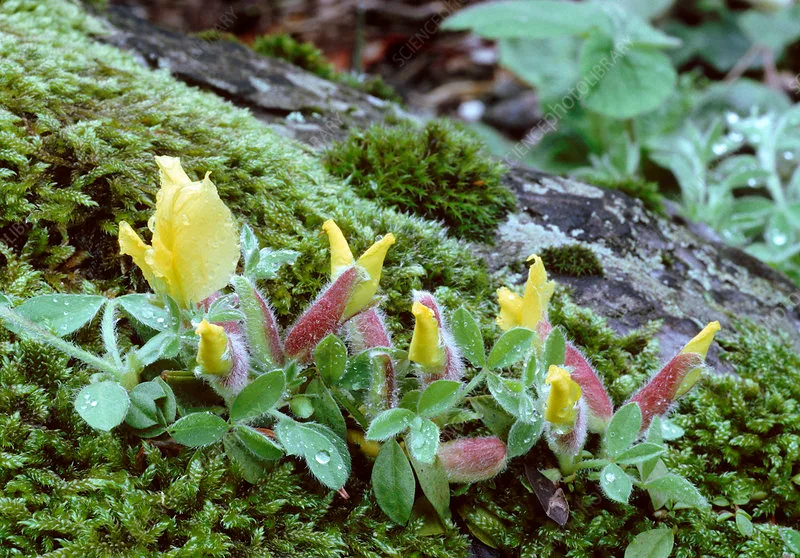
Slow-growing, mat-forming, deciduous shrub to 8cm tall and 20cm wide with mid-green leaves, silky-hairy beneath and composed of leaflets; bears clusters of yellow flowers with brown keels and bracts, in late spring and early summer
Scientific classification
- Species
- dwarf broom (Cytisus demissus)
- Genus
- Cytisus
- Family
- Fabaceae
- Harmful if eaten. Wear gloves and other protective equipment when handling
- Toxicity
- Shrubs
- Plant type
- Up to 10 cm
- Height
- 0.1-0.5 metres
- Spread
- Deciduous
- Foliage
- Matforming
- Habit
- Spring · Summer · Autumn
- Season of interest
- Full sun
- Sunlight
- Information to be completed
- Ideal temperature









dwarf broom pictures
Distribution of dwarf broom
Distribution map
- Native
- Introduced
- Cultivated
Source:WCVP v16 · Royal Botanic Gardens, Kew · CC BY 3.0 · Boundaries:WGSRPD / TDWG
Culture
Information to be completed
Toxicity
Harmful if eaten. Wear gloves and other protective equipment when handling
Quick identification of dwarf broom
Information to be completed
dwarf broom care guide
- Moderate regular watering, avoid prolonged drought or waterlogging
- Watering
- Full sun
- Sunlight
- Information to be completed
- Ideal temperature

Watering
Moderate regular watering, avoid prolonged drought or waterlogging
Fertilizing
 Fertilizing
Balanced feed in spring and light repeat in growth season
Pruning
 Pruning
Shorten flowered shoots to vigorous sideshoots; remove about a third of stems at ground level annually. Prune immediately after flowering.
Propagation
 Propagation
Propagate by semi-ripe cuttings in late summer
Growing
 Growing
Grow in moderately fertile well-drained soil in full sun, tolerant of a range of soils but best in poor acid soils. Plant directly from tubs when small as they resent transplanting
People also ask
Information to be completed
Common pests and diseases
Diseases
May be susceptible to honey fungus
Pests
May be susceptible to broom gall mites
Explore the plant health library →




