



Planting and Growing Cape sundew

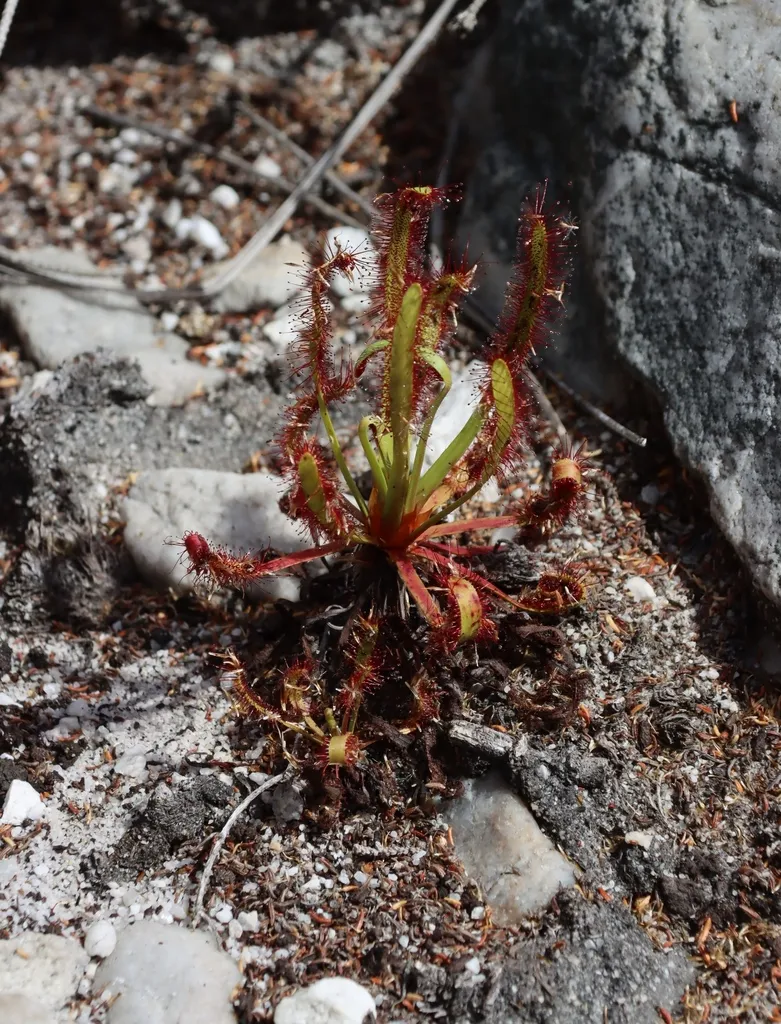
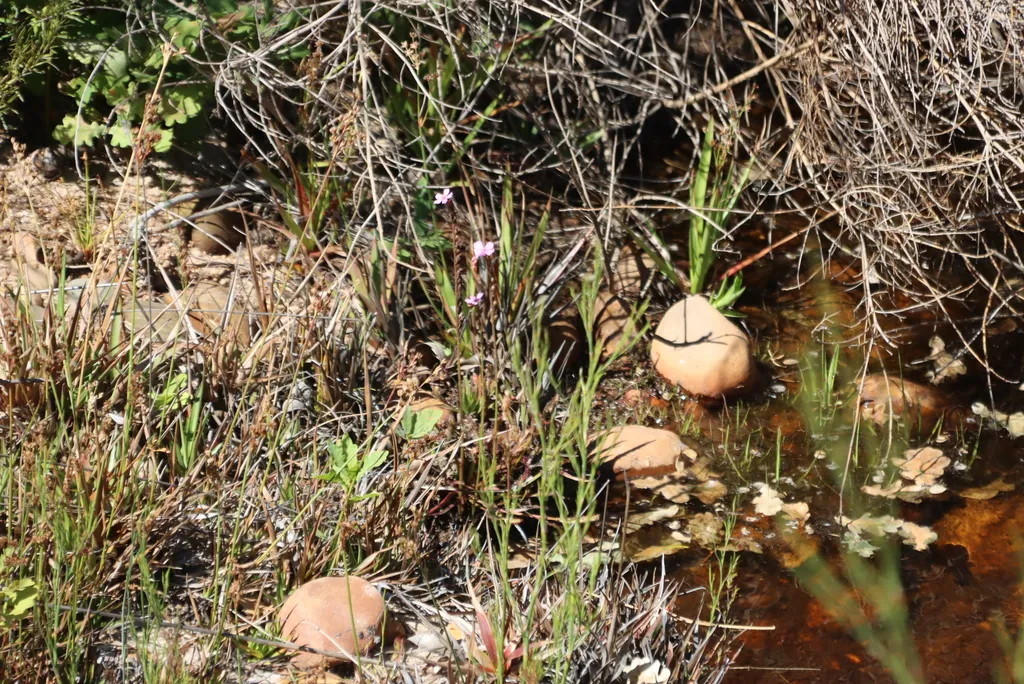

| Care difficulty | 2 / 5 |
|---|---|
| Watering schedule | Keep soil constantly wet, use distilled water only |
| Sunlight requirements | Full sun |
| Ideal temperature | 15 – 25 °C |
| Soil type | Loam |
| Soil pH | Acid · Neutral |
| Soil moisture | Poorly drained |
| Fertilizing | Never fertilize; feeds on insects |
| Toxicity | Information to be completed |
How to Water Cape sundew?
Originating from the marshes of South Africa, cape sundew thrives in moist environments, exhibiting a preference for consistent humidity. Its water habits are marked by a notable resilience to brief dry spells, but it flourishes when the soil remains damp without being waterlogged. The ideal watering frequency for this species is twice a week to maintain its delicate moisture balance. As an evergreen plant that continues to display its sticky, dew-covered leaves year-round, cape sundew benefits greatly from being grown indoors where humidity levels can be more easily regulated.
Learn more →What Are the Sunlight Requirements for Cape sundew?
Cape sundew thrives in full sunlight conditions, which are crucial for its vigorous growth, optimal health, and successful flowering. Full exposure to sunlight for at least 4-6 hours daily is recommended to enhance cape sundew's photosynthesis and nutrient absorption. While cape sundew has some adaptability, lack of adequate light can result in leggy growth, fewer sticky traps, and diminished flowering potential. Indoors, a sunny windowsill is ideal, whereas outdoors, cape sundew should be placed in a location that receives unfiltered sunlight. Its leaves may exhibit a reddish hue under intense light, signaling a healthy, light-saturated plant.
Learn more →What Is the Ideal Temperature Range for Cape sundew?

Cape sundew demonstrates remarkable resilience to temperature variations, tolerating cold down to 0℃ (32℉) and heat up to 38℃ (100℉). This adaptability makes it suitable for a range of environments, though care is needed during extremes. In cold, cape sundew may exhibit slowed growth or blackened leaves, while overheating can cause leaf browning or wilting. To protect cape sundew, insulate during frost and ensure adequate shading and hydration in heatwaves. This temperature tolerance underscores the need for diligent care and environmental adjustments to maintain the plant’s health.
Learn more →What Soil Is Best for Cape sundew?
Cape sundew thrives in well-draining, airy soil to prevent root rot. A suitable soil mix might include a blend of sphagnum peat moss and perlite/sand in a 1:1 ratio. To enhance drainage, add additional perlite if necessary. Avoid fertilizers, as cape sundew prefers nutrient-poor conditions. Instead, consider occasional application of a diluted, low-nitrogen fertilizer during the growing season.
- Soil type
- Loam
- Soil pH
- Acid · Neutral
What Are the Moisture Requirements for Cape sundew?
Poorly drained
Learn more →How to Fertilize Cape sundew?

Never fertilize; feeds on insects
Learn more →How to Prune Cape sundew?

Known for its sticky, mucilaginous leaves, cape sundew benefits from pruning in early spring or late winter. Trim dead leaves and flower stalks to encourage new growth and maintain health. Be cautious not to damage the plant's sensitive leaf traps. Regular pruning enhances its carnivorous efficiency and overall appearance. Consistent care ensures a thriving garden specimen.
Learn more →How to Propagate Cape sundew?

A fascinating carnivorous species, cape sundew thrives in moist, nutrient-poor soils, trapping insects with sticky, glandular leaf tentacles to supplement its nutrition. Propagation is typically achieved through division, a straightforward process where clumps of the parent plant are carefully separated during active growth. Each division should contain roots and several leaves to ensure successful rooting. Plant the divisions into appropriate carnivorous plant medium, maintaining high humidity and consistent moisture to encourage growth.
Learn more →How to Transplant Cape sundew?
The prime time for cape sundew to settle into new ground is during the warm, hearty days of early to mid-summer, ensuring robust growth. Transplant into sunny, moist spots and be gentle with the delicate roots to ensure a seamless transition.
Learn more →How to Care for Cape sundew in Winter?

Information to be completed
Learn more →How to Plant Cape sundew?
In frost-prone areas, grow under glass, in full light but with shade from hot sun, and keep continually moist by standing in a saucer of rainwater. In warmer climates, grow in full sun in wet, acidic conditions such as a bog garden.
Learn more →How to Repot Cape sundew?
Repot cape sundew, a rosette-forming carnivorous plant, every 2-3 years to support its steady growth. Spring is ideal, aligning with its active season. Choose a slightly larger pot for room. After repotting, maintain high humidity and avoid fertilizers, as cape sundew thrives in nutrient-poor soil. Keep the soil moist for healthy, insect-catching vitality.
Learn more →How to Harvest Cape sundew?

Information to be completed
Learn more →Common Pests & Diseases

Diseases
Generally disease-free
Pests
Generally pest-free
Explore the plant health library →The Toxicity of Cape sundew
Information to be completed