
Cape sundew
Also known as: Information to be completed
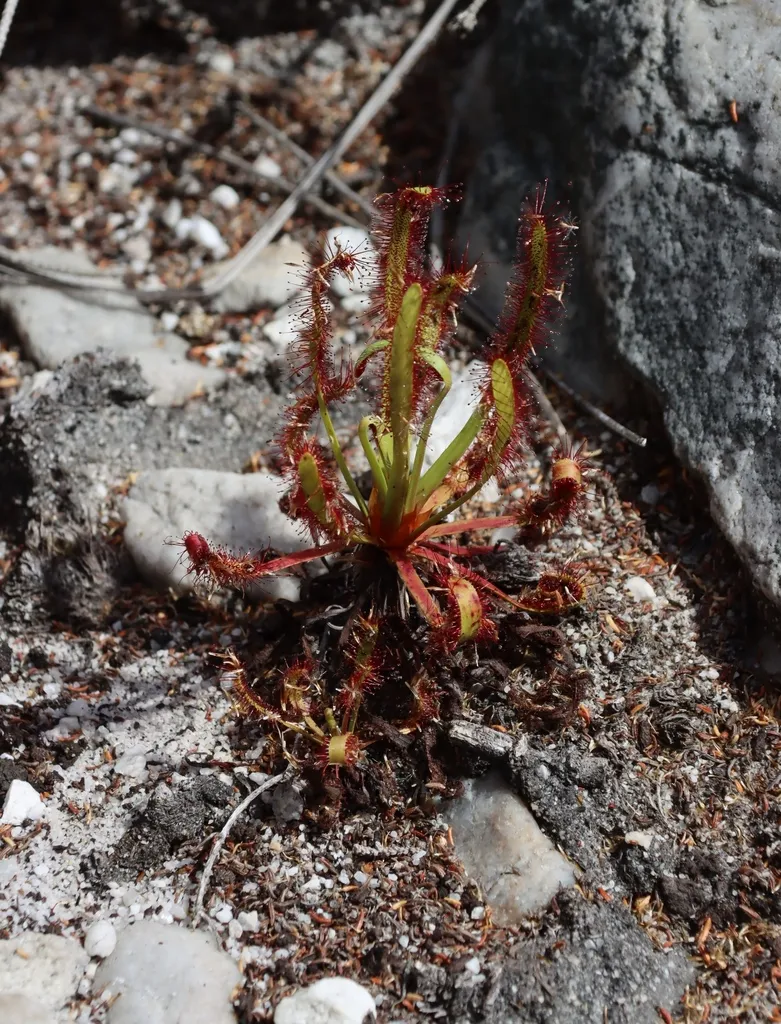
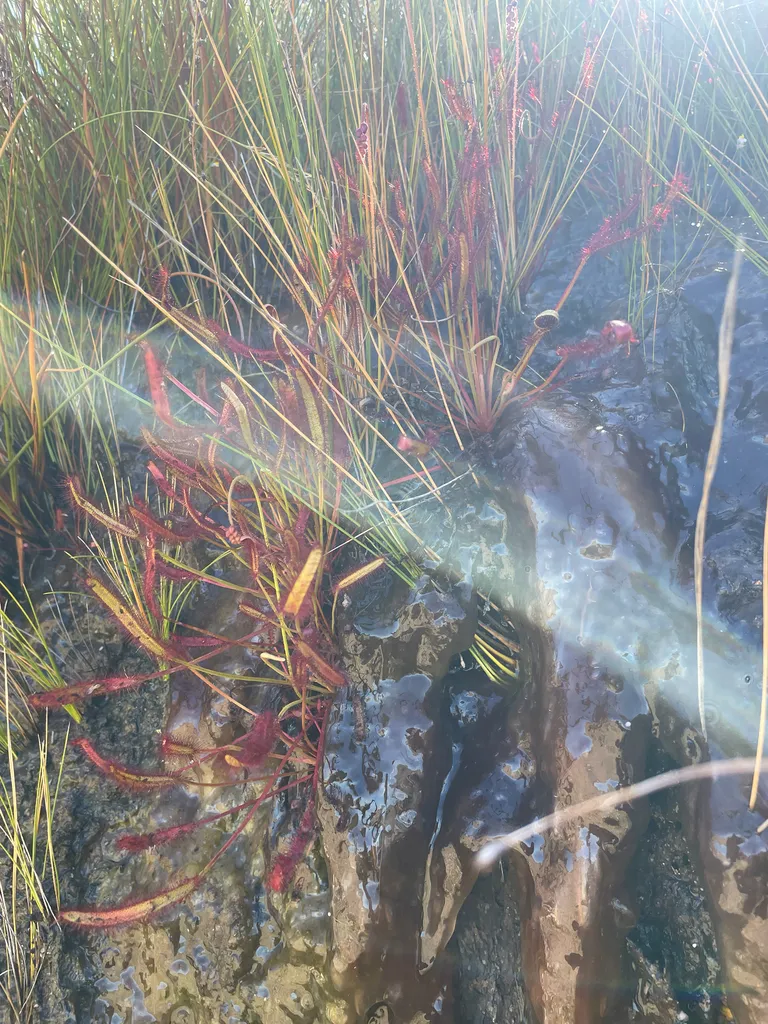
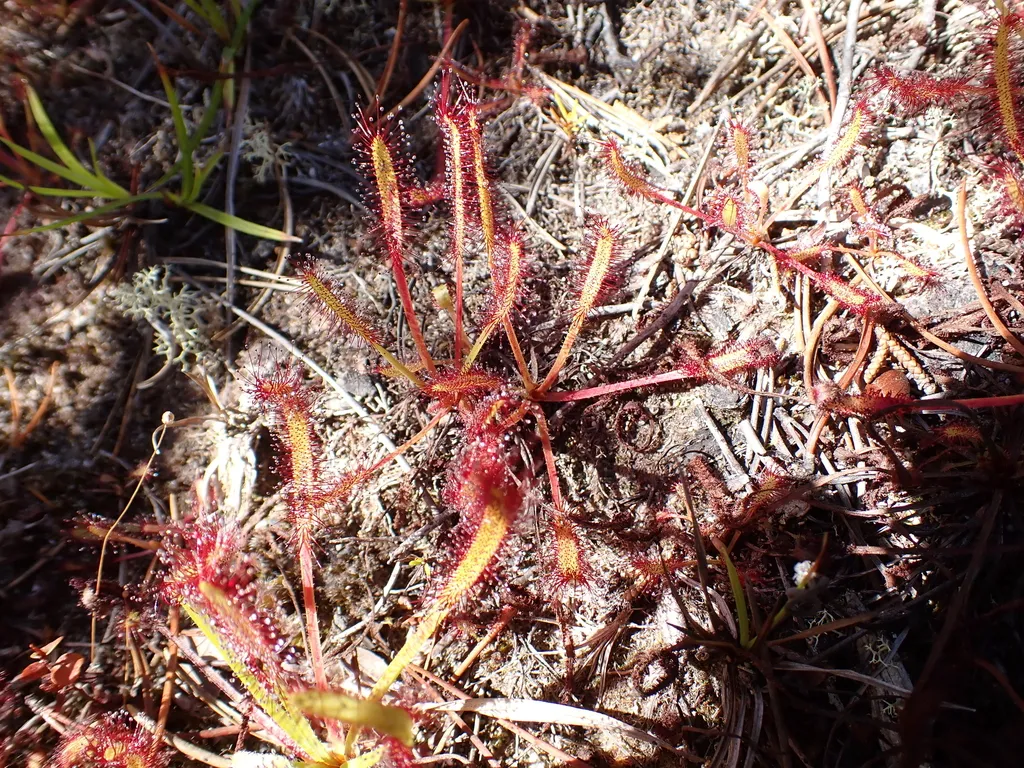
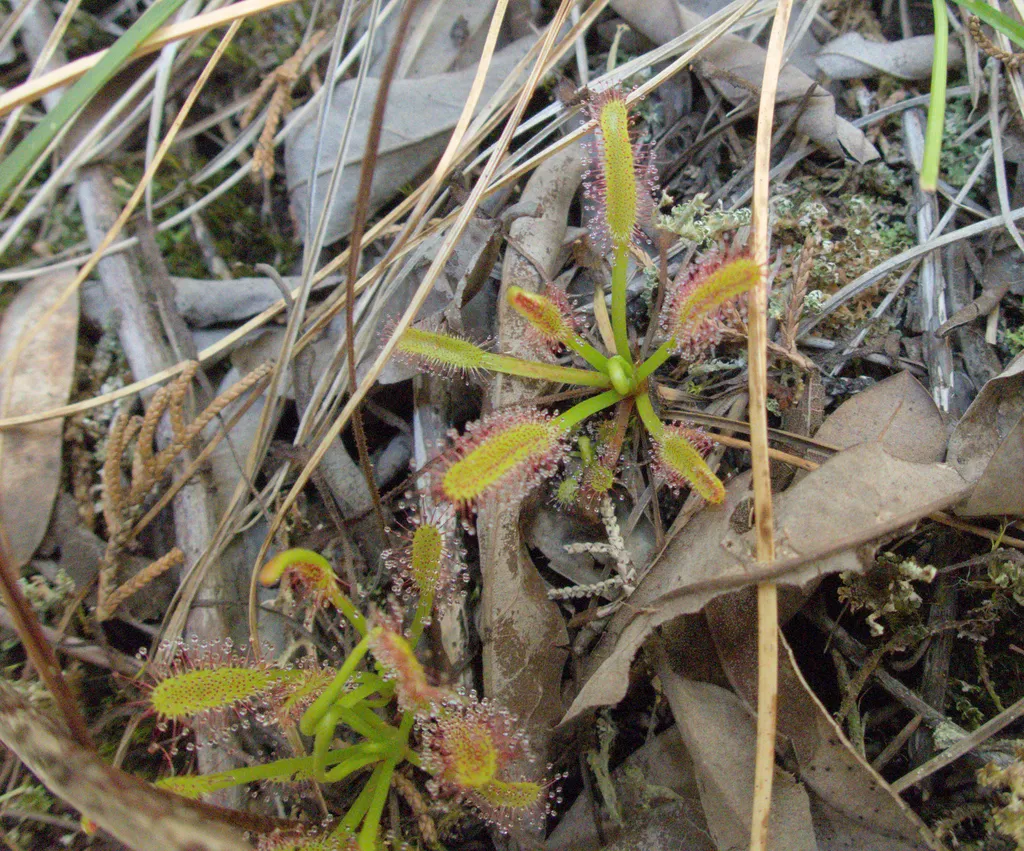
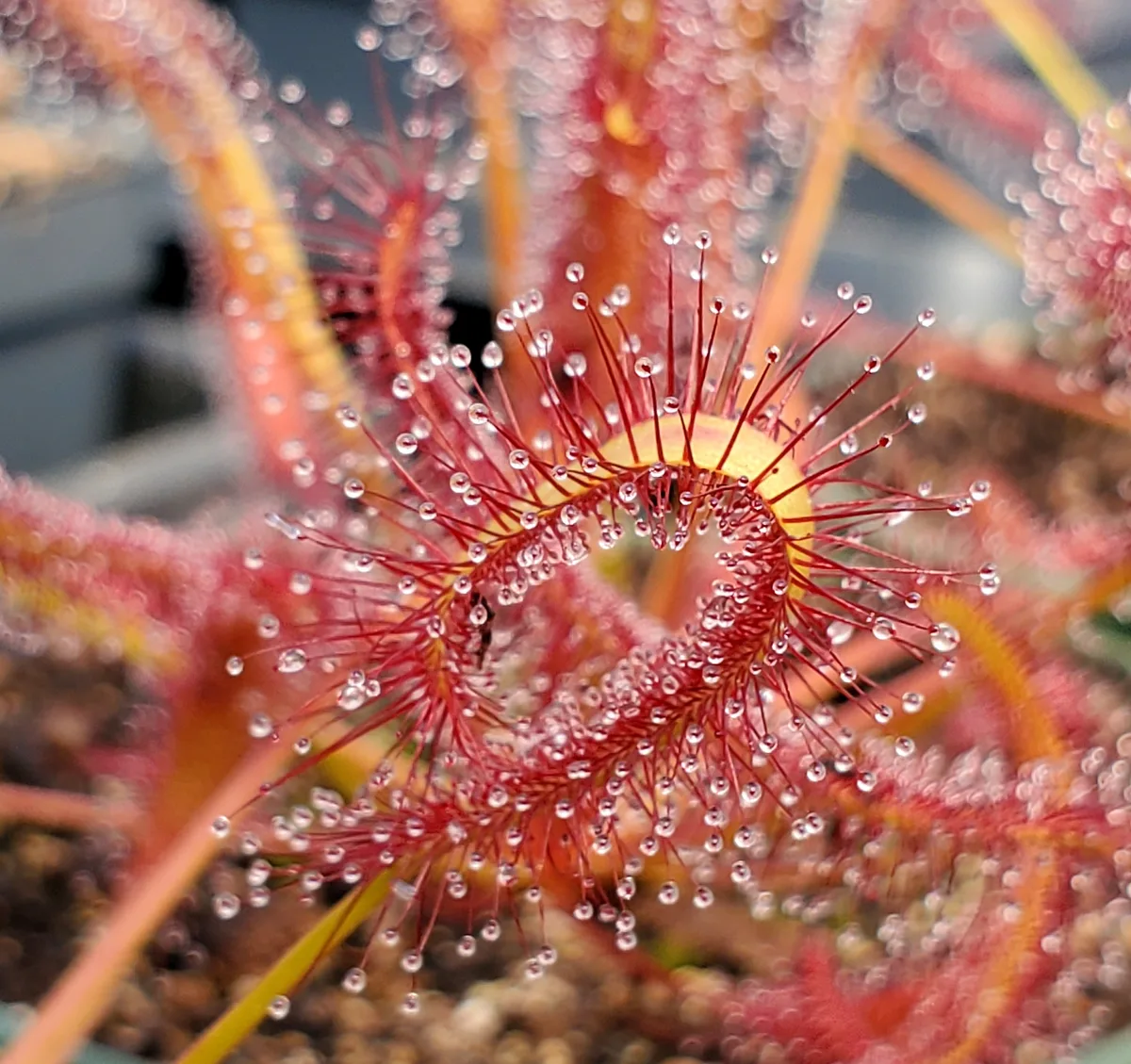
An evergreen carnivorous perennial, with rosettes of long, narrowly spoon-shaped leaves, covered in glandular red or pink hairs which are used to trap and digest insect prey. Clusters of pink flowers are produced from spring to autumn, and occasionally into winter
Scientific classification
- Species
- Cape sundew (Drosera capensis)
- Genus
- Drosera
- Family
- Droseraceae
- Information to be completed
- Toxicity
- Conservatory Greenhouse · Bogs
- Plant type
- 0.1-0.5 metres
- Height
- 0.1-0.5 metres
- Spread
- Evergreen
- Foliage
- Clump forming
- Habit
- Spring · Summer · Autumn · Winter
- Season of interest
- Full sun
- Sunlight
- 15 – 25 °C
- Ideal temperature









Cape sundew pictures
Distribution of Cape sundew
Distribution map
Information to be completed
Information to be completed
Culture
Information to be completed
Toxicity
Information to be completed
Quick identification of Cape sundew
Information to be completed
Cape sundew care guide
- Keep soil constantly wet, use distilled water only
- Watering
- Full sun
- Sunlight
- 15 – 25 °C
- Ideal temperature

Watering
Keep soil constantly wet, use distilled water only
Fertilizing
 Fertilizing
Never fertilize; feeds on insects
Pruning
 Pruning
No pruning required
Propagation
 Propagation
Propagate by seed, softwood cuttings, or by root cuttings when dormant
Growing
 Growing
In frost-prone areas, grow under glass, in full light but with shade from hot sun, and keep continually moist by standing in a saucer of rainwater. In warmer climates, grow in full sun in wet, acidic conditions such as a bog garden.
People also ask
Information to be completed
Common pests and diseases
Diseases
Generally disease-free
Pests
Generally pest-free
Explore the plant health library →




