
black nightshade
Also known as: common nightshade; garden nightshade; gurkamei; houndberry; kangani; kanper makoo; mako; mokoi; morelle; poisonberry; wonderberry; petty morel
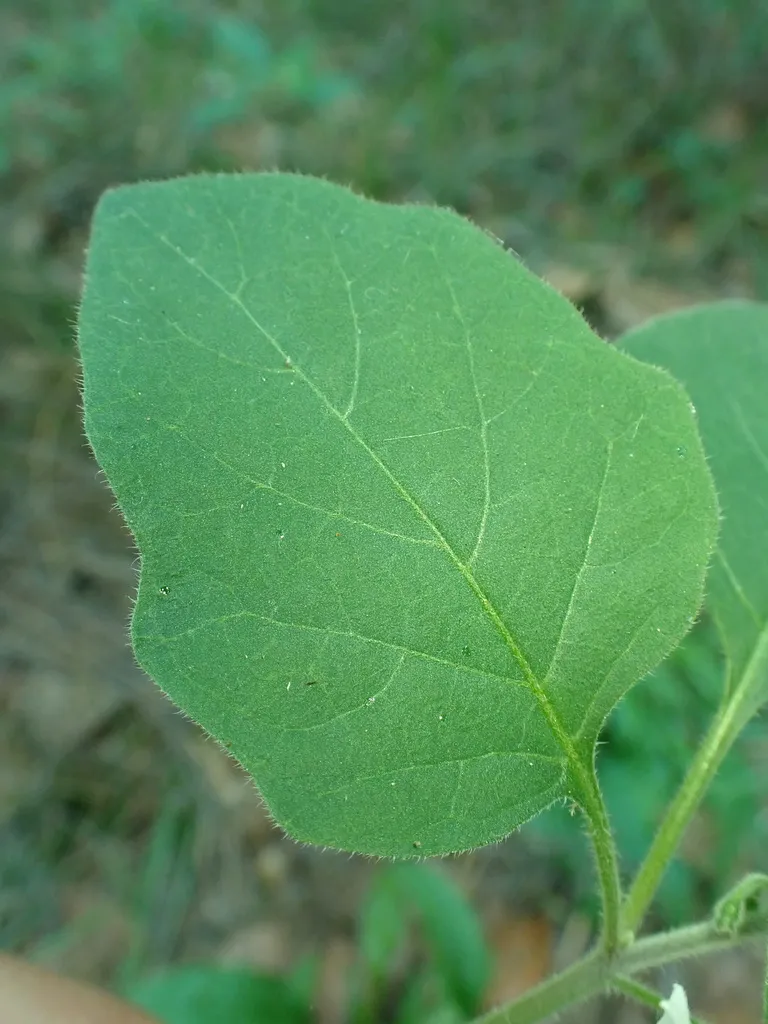
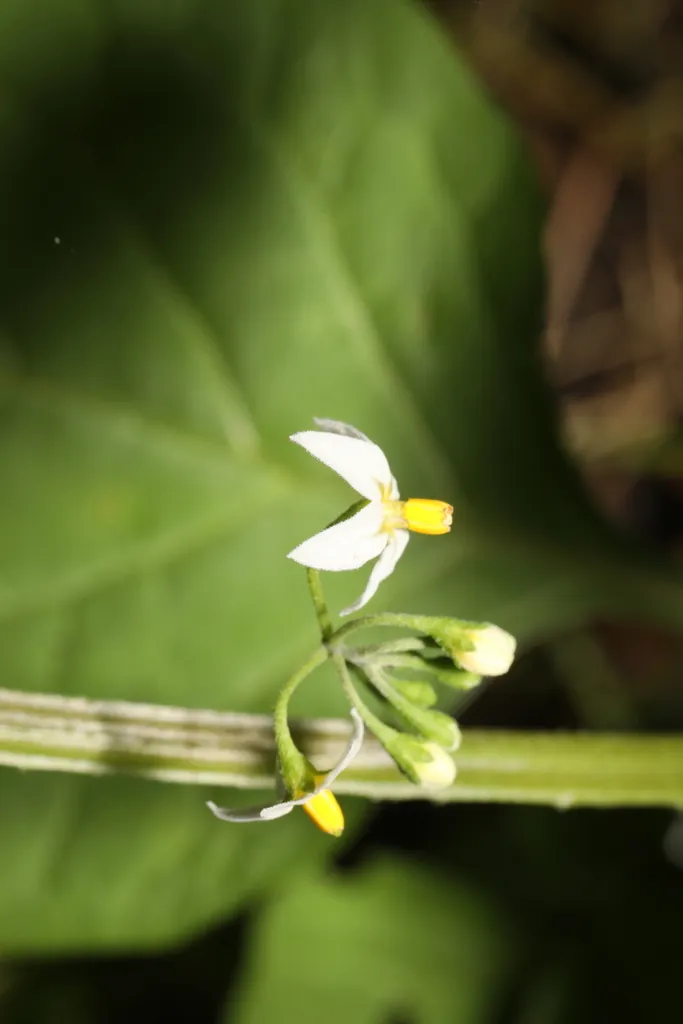
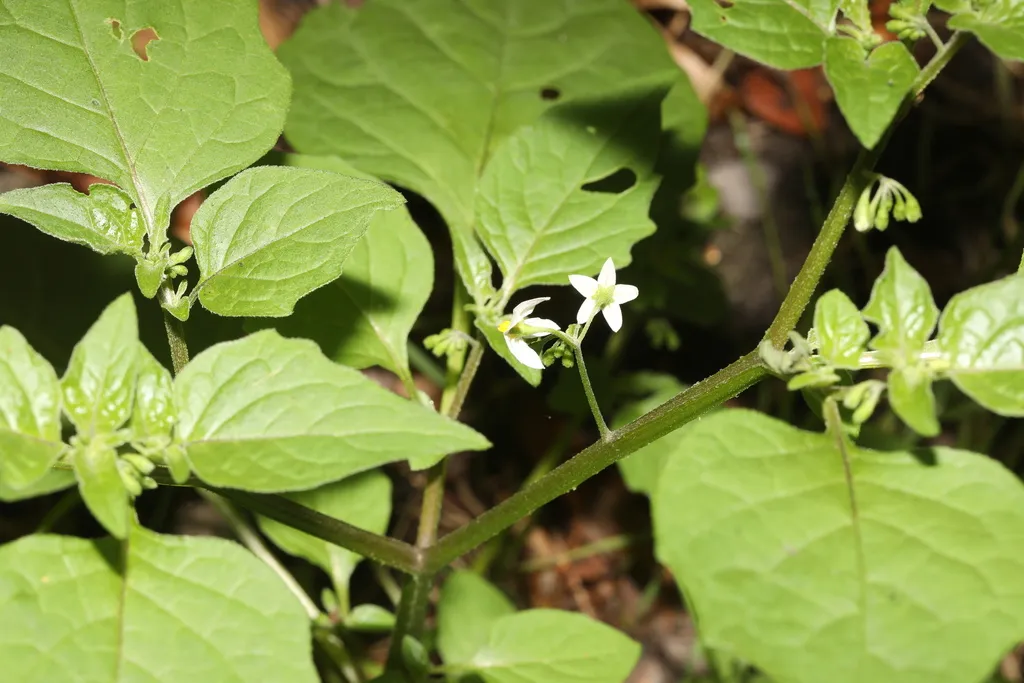
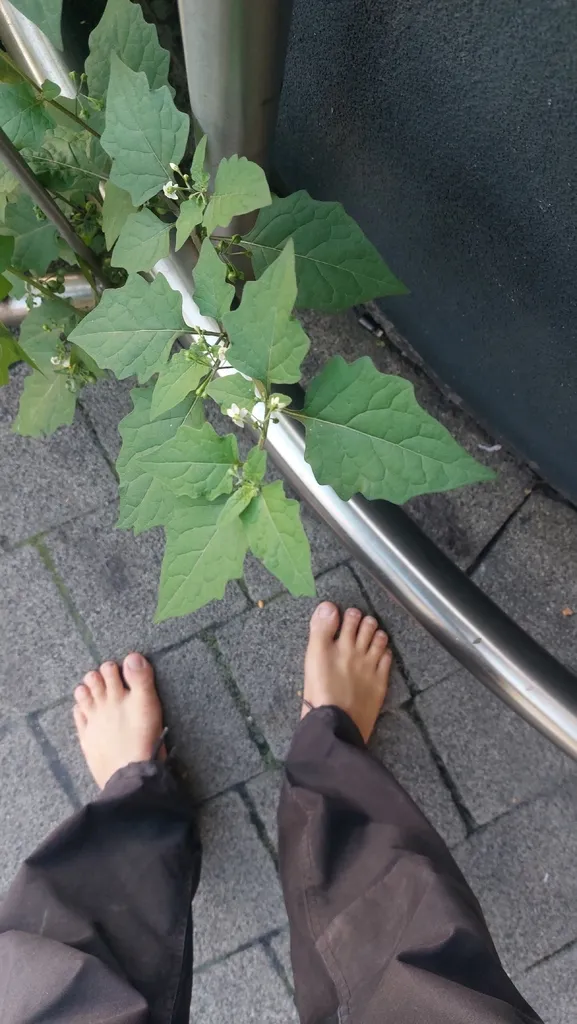
A fast-growing annual or biennial with variable habit, often found in woodland or areas of disturbed soil. Leaves are broadly ovate, sometimes with wavy edges. Flowers are small, white and star-shaped, with five petals and prominent yellow anthers, and followed by clusters of round dark green berries that are matt black when ripe
Scientific classification
- Species
- black nightshade (Solanum nigrum)
- Genus
- Solanum
- Family
- Solanaceae
- Information to be completed
- Toxicity
- Annual Biennial
- Plant type
- 1-1.5 metres
- Height
- 0.5-1 metres
- Spread
- Deciduous
- Foliage
- Bushy
- Habit
- Spring · Summer · Autumn
- Season of interest
- Full sun · Partial shade
- Sunlight
- Information to be completed
- Ideal temperature









black nightshade pictures
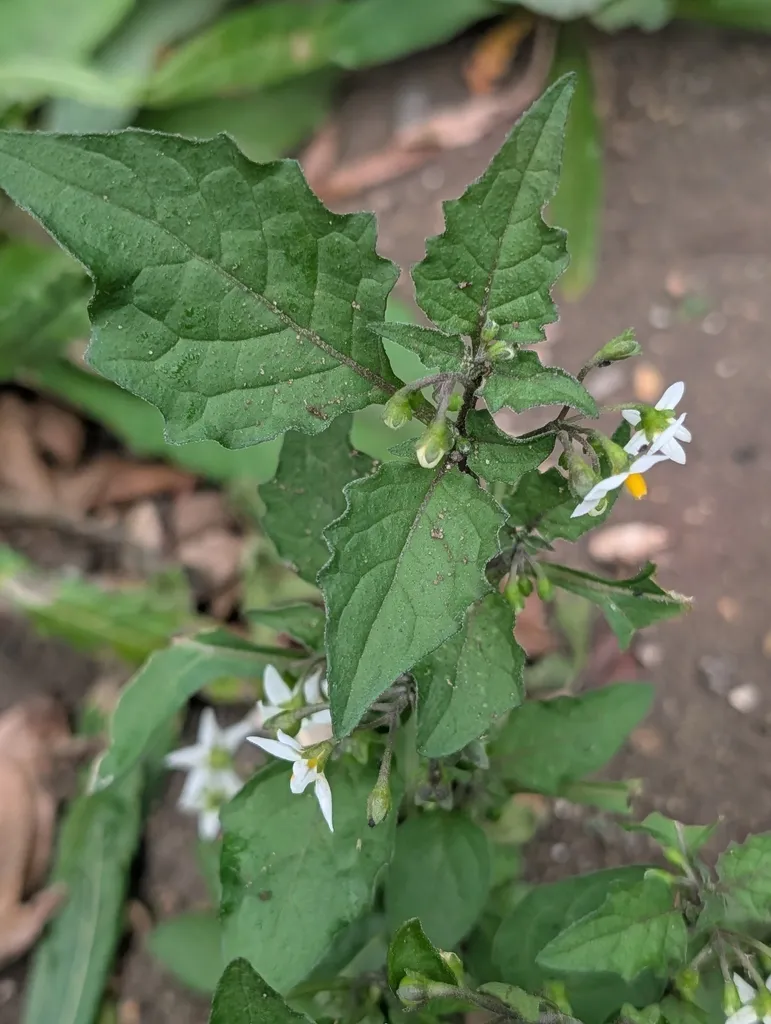
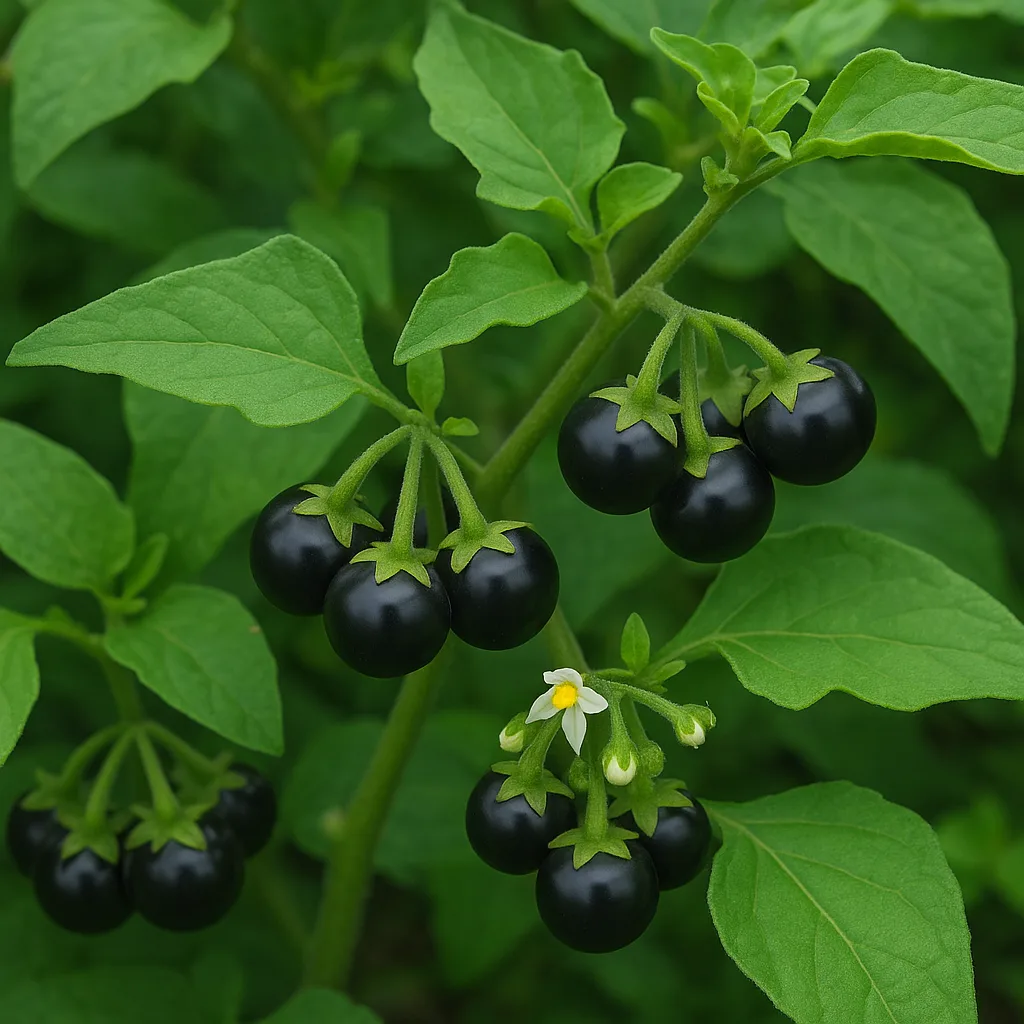
Distribution of black nightshade
Distribution map
Information to be completed
Information to be completed
Culture
Information to be completed
Toxicity
Information to be completed
Quick identification of black nightshade
Information to be completed
black nightshade care guide
- Moderate regular watering, avoid prolonged drought and stagnant waterlogging
- Watering
- Full sun · Partial shade
- Sunlight
- Information to be completed
- Ideal temperature

Watering
Moderate regular watering, avoid prolonged drought and stagnant waterlogging
Fertilizing
 Fertilizing
Balanced perennial feed every four weeks spring through summer growth
Pruning
 Pruning
Remove before flowering to prevent spread
Propagation
 Propagation
Propagates by seed. Seeds remain viable in the soil for some years; cultivating soil may increase seed germination, but enables seedlings to be removed when small
Growing
 Growing
Most successful in moist, warm, fertile conditions, less so in dry soil or heavy shade. May overwinter in milder areas. Generally considered a weed for its ability to outcompete neighbouring plants, and for its role in hosting plant pests and diseases
People also ask
Information to be completed
Common pests and diseases
Diseases
May be susceptible to honey fungus (rarely), tomato leaf mould and tomato viruses
Pests
Generally disease-free, but may provide an alternate host for a range of nematodes that may be harmful to other plants, as well as for thrips
Explore the plant health library →




