



Planting and Growing Descoings aloe

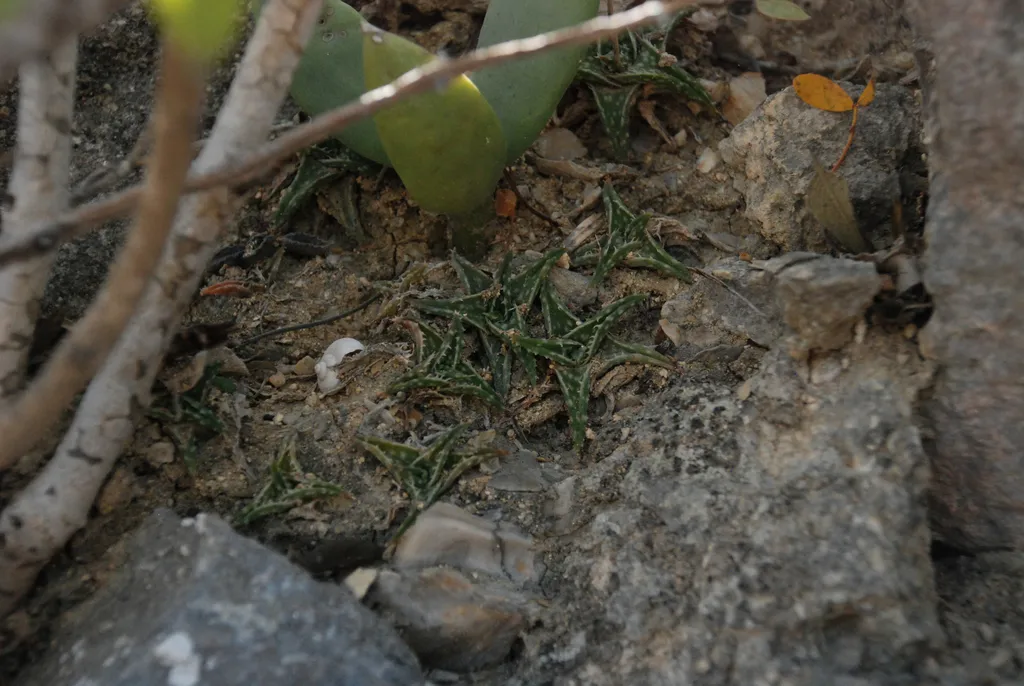
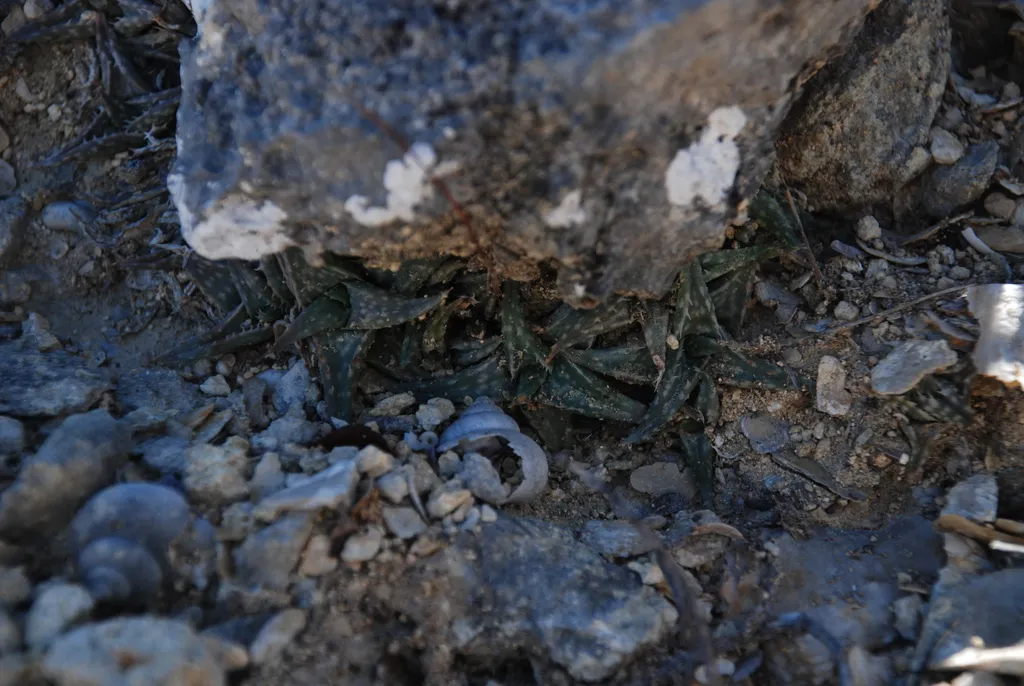
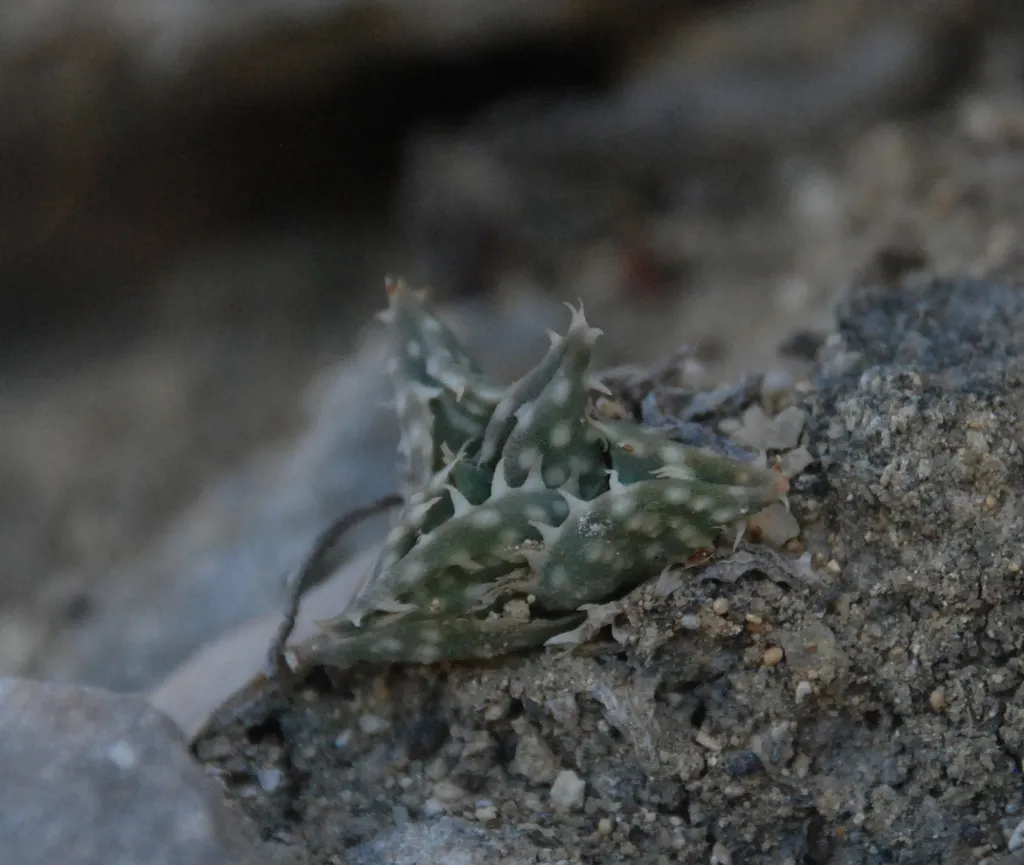
| Care difficulty | 3 / 5 |
|---|---|
| Watering schedule | Water deeply only after full soil dry, pause watering cold winter days |
| Sunlight requirements | Full sun |
| Ideal temperature | 18 – 28 °C |
| Soil type | Loam · Sand |
| Soil pH | Acid · Alkaline · Neutral |
| Soil moisture | Well drained |
| Fertilizing | Diluted low-nitrogen aloe feed monthly warm growing season only |
| Toxicity | Harmful if eaten. Wear gloves and other protective equipment when handling |
How to Water Descoings aloe?
Originating from arid regions, aloe descoingsii is well-adapted to environments with low water availability, showcasing a high drought tolerance. This succulent thrives in conditions that mimic its native dry habitat, requiring minimal supplemental watering. The appropriate watering frequency for aloe descoingsii is once every three weeks, ensuring the soil has time to dry out between sessions. Typically grown indoors due to its size and ornamental appeal, aloe descoingsii benefits significantly from pots with good drainage to prevent root rot – a testament to its preference for drier soil conditions.
Learn more →What Are the Sunlight Requirements for Descoings aloe?
Although aloe descoingsii is a succulent, it grows best under the full sun only in climates that don't have very hot summers with intense sunlight. It can tolerate partial shade or filtered sunlight during the day in these climates, but will not grow properly in full shade. If grown indoors, place aloe descoingsii near sunny side windows for sufficient sunlight. Make sure the leaves are not touching the glass, because they may get burned. Aloe descoingsii needs between 6-8 hours of sunlight every day, so if it's grown outdoors in very warm climates, it is best to keep it in partial shade.
Learn more →What Is the Ideal Temperature Range for Descoings aloe?

Aloe descoingsii originated in warm and arid climates, so it grows best in dry conditions. It needs soil with good drainage and doesn't require regular watering. Aloe descoingsii shouldn’t be planted outdoors where the average minimum temperature goes below -1 to 2 ℃. Summer temperatures below 10 ℃ are also unfavorable.
Learn more →What Soil Is Best for Descoings aloe?
Aloe descoingsii naturally grows in dry and poor soil, but it can thrive in other soil types. The most important condition is that the soil has good drainage, because it is very prone to root rot, especially if grown in soil that retains moisture. Sandy and gravelly soils are the best choices, but commercial potting soils mixed with sand, perlite, or similar substrate in a 1:1 ratio can be used too. Aloe descoingsii is adapted to withstand slightly acidic, neutral, and slightly alkaline soils (pH 6-9), but it grows best in neutral to slightly alkaline environments (pH 7-8.5). A combination of pasteurized soil, sand, and peat moss in a 1:1:1 ratio can also serve as a good substrate. Use pots with plenty of drainage holes to prevent water retention.
- Soil type
- Loam · Sand
- Soil pH
- Acid · Alkaline · Neutral
What Are the Moisture Requirements for Descoings aloe?
Well drained
Learn more →How to Fertilize Descoings aloe?

Aloe descoingsii doesn't require fertilizer for successful growth and development. If the aim is to encourage more vigorous growth, fertilize rich in phosphorus can be added once a year in spring. The same effect can be achieved by spreading a 2.5 cm-thick layer of worm castings over the soil surface in mid-spring. Using more fertilizer or feeding the plants during the cold season can have a very negative effect on growth.
Learn more →How to Prune Descoings aloe?

Aloe descoingsii does not require pruning in the general sense; you need only remove spent flower stalks or dead leaves. Leaves that have turned orange or brown should be trimmed to deliver more nutrients to green plant parts, keeping the plant healthy. Smaller and medium-sized plants can be pruned with a knife, while larger plants require pruning shears. Remove any spent flower stalks or plant material, as well as parts of leaves that have changed their color or started drying.
Learn more →How to Propagate Descoings aloe?

Aloe descoingsii can be propagated from seeds, but because it produces a lot of pups (offspring) when it reaches maturity, the most common and easiest way of propagating includes separating the pups from the mother plant using a garden trowel and planting them in separate containers.
Learn more →How to Transplant Descoings aloe?
The best times to transplant aloe descoingsii are when growth is most active, typically from mid-spring until late spring, or from mid-fall to late fall. Choosing a location with well-draining soil and partial sunlight will ensure aloe descoingsii's success. Friendly reminder: be gentle with the roots during the process.
Learn more →How to Plant Descoings aloe?
Use terracotta pots (or similar material) as they dry faster, while plastic and glazed pots retain more water. Also, when aloe descoingsii is full-grown, it gets really heavy and needs a strong base to prevent it from flipping over. Planting material includes seeds, and, more commonly, offspring of the mother plant. Take a terracotta pot with plenty of drainage holes and fill the bottom with 2.5 to 5 cm of gravel to ensure good drainage. Add succulent or cacti soil mix, or combine straight potting soil with sand, perlite, pumice, or similar material. If a combination of potting soil and sand or perlite is used, water the plants less frequently, because this combination is heavier and retains more water compared to soil mixes for succulents. Insert the plant into the pot and cover its roots with the potting substrate of choice, making sure that leaves do not touch the soil surface to avoid them rot. The plant shouldn’t be watered a couple of days after planting, as it needs a few days to repair any damage the roots may have suffered during planting. Aloe descoingsii is best planted during spring and summer. It needs at least a month to prepare for cooler days, so planting during fall or winter is not favorable.
Learn more →Common Pests & Diseases

Diseases
Generally disease-free
Pests
May be susceptible to scale insects and mealybugs
Explore the plant health library →Troubleshooting
Soft Basal Rot vs. Wrinkled Dehydrated Leaves or Stems
Descoings aloe (Aloe descoingsii) stores water in fleshy tissues and relies on fast-draining mineral soil; waterlogged roots in cool or heavy compost quickly cause basal rot.
| What you notice | Possible explanation | What to check next |
|---|---|---|
| Base of stem or lower leaves turns dark brown/black, soft, and translucent while soil stays damp | Root or stem rot from overwatering, poor drainage, or watering during cool dormancy | Check pot drainage holes, inspect lower soil wetness, and test stem firmness gently |
| Fleshy leaves or stems look wrinkled, deflated, or limp while gritty soil is bone dry during active growth | Underwatering as the plant draws on stored tissue moisture | Check deep soil dryness and confirm daytime temperatures are in the active growth range |
- Pot in a sharply drained cactus/succulent compost (amended with coarse sand, grit, pumice, or perlite) in a container with open drainage holes.
- Follow seasonal moisture cues: Water deeply only after full soil dry, pause watering cold winter days.
- If rot develops at the base, cut away healthy upper stems or offsets with a sterilized blade, let cut ends dry and callous for several days, and root in fresh gritty mix.
Stop watering immediately if soft black rot spreads from the base, and discard rotted tissues and wet old soil.
Etiolated Green Growth or Mealybugs and Scale
Insufficient direct sunlight stretches new growth and dulls natural stress coloration in Descoings aloe (Aloe descoingsii), while mealybugs and scale often hide in leaf axils or around roots.
| What you notice | Possible explanation | What to check next |
|---|---|---|
| New growth stretches pale green with wide internodes instead of staying compact and richly colored | Insufficient bright direct sunlight | Evaluate daily hours of direct sun exposure at the current site |
| White cottony tufts, sticky honeydew, or hard brown bumps along stems and leaf bases | Sap-sucking pests (May be susceptible to scale insects and mealybugs) | Inspect stem junctions, leaf undersides, and the soil line closely |
- Acclimate gradually to full sun so new growth develops compact form and natural coloration without sudden sunburn.
- Isolate infested plants and dab visible mealybugs or scale with rubbing alcohol on a cotton swab, or apply insecticidal soap per label directions.
- Protect frost-tender plants indoors or under cover before freezing weather arrives.
Already stretched stems will not shrink back, though compact healthy growth will resume once bright light is restored.
The Toxicity of Descoings aloe
Harmful if eaten. Wear gloves and other protective equipment when handling