
banyan
Also known as: bo tree; East Indian fig tree; grove tree; Indian banyan; Indian fig; pagoda tree
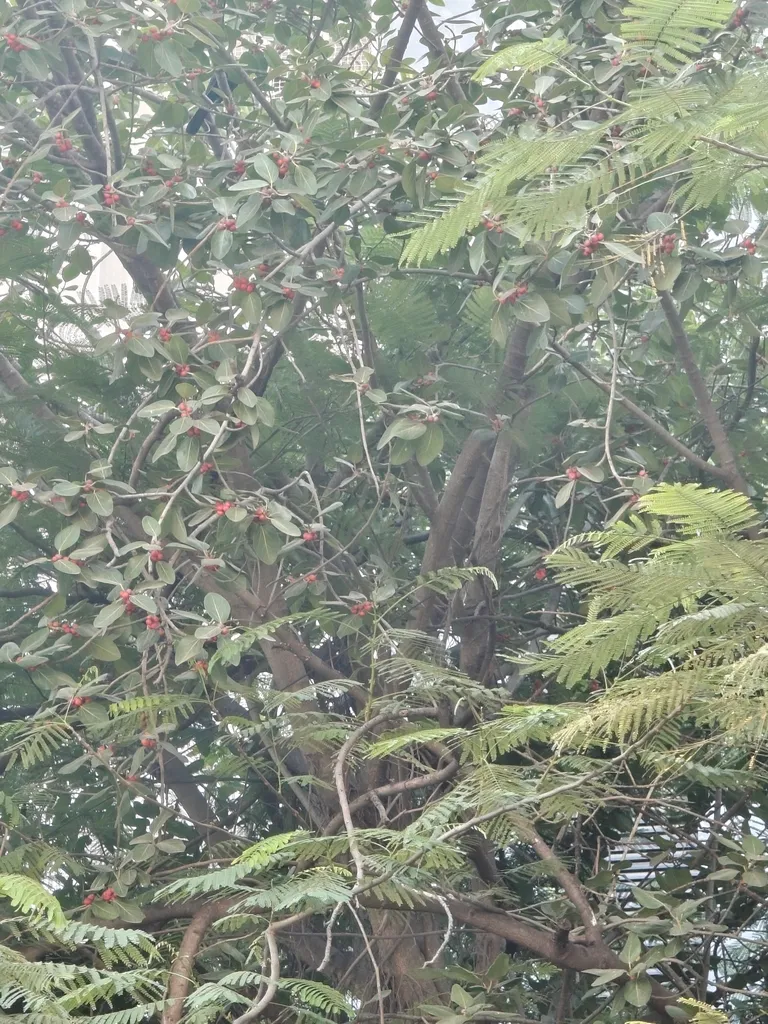
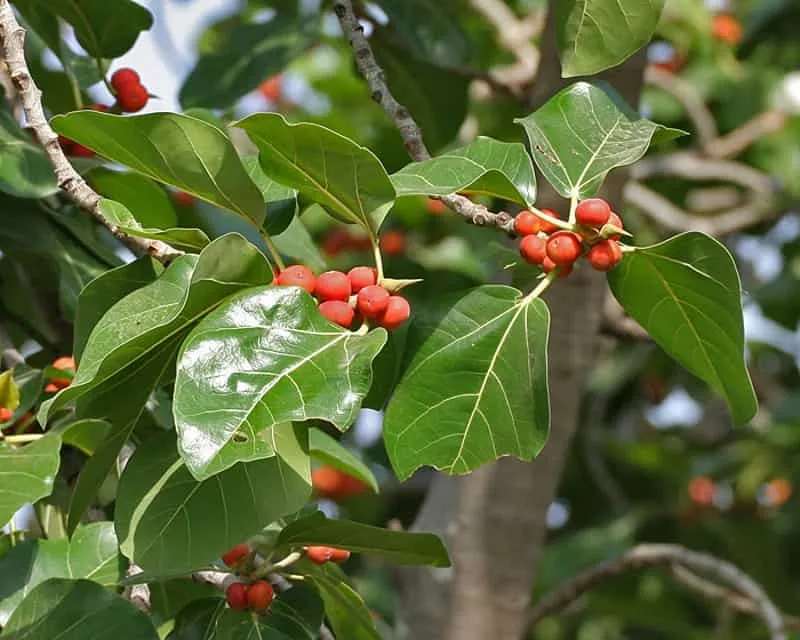
A tropical evergreen tree, over 20m high in its native range, with widely spreading branches and aerial roots that often hang down to the ground, forming secondary trunks. Leaves are oval-shaped and leathery, flushed bronze when young, and dark green with paler veins when mature. Small, round figs are borne in pairs and ripen to bright red, though these are never pollinated outside the native range. Cuttings and young plants of this species are sometimes grown as houseplants
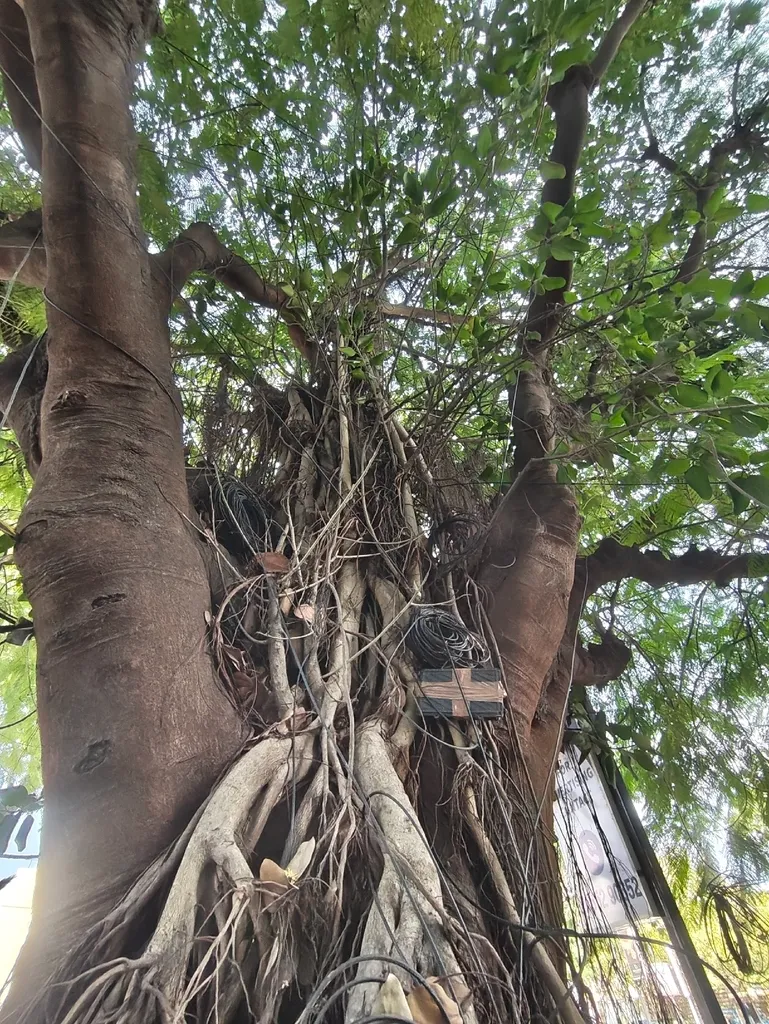
Scientific classification
- Species
- banyan (Ficus benghalensis)
- Genus
- Ficus
- Family
- Moraceae
- Order
- Rosales
- Class
- Magnoliopsida
- Phylum
- Tracheophyta
- Skin allergen. Wear gloves and other protective equipment when handling
- Toxicity
- Trees · Houseplants
- Plant type
- Higher than 12 metres
- Height
- wider than 8 metres
- Spread
- Evergreen
- Foliage
- Information to be completed
- Habit
- Spring · Summer · Autumn · Winter
- Season of interest
- Full sun
- Sunlight
- 18 – 27 °C
- Ideal temperature









banyan pictures
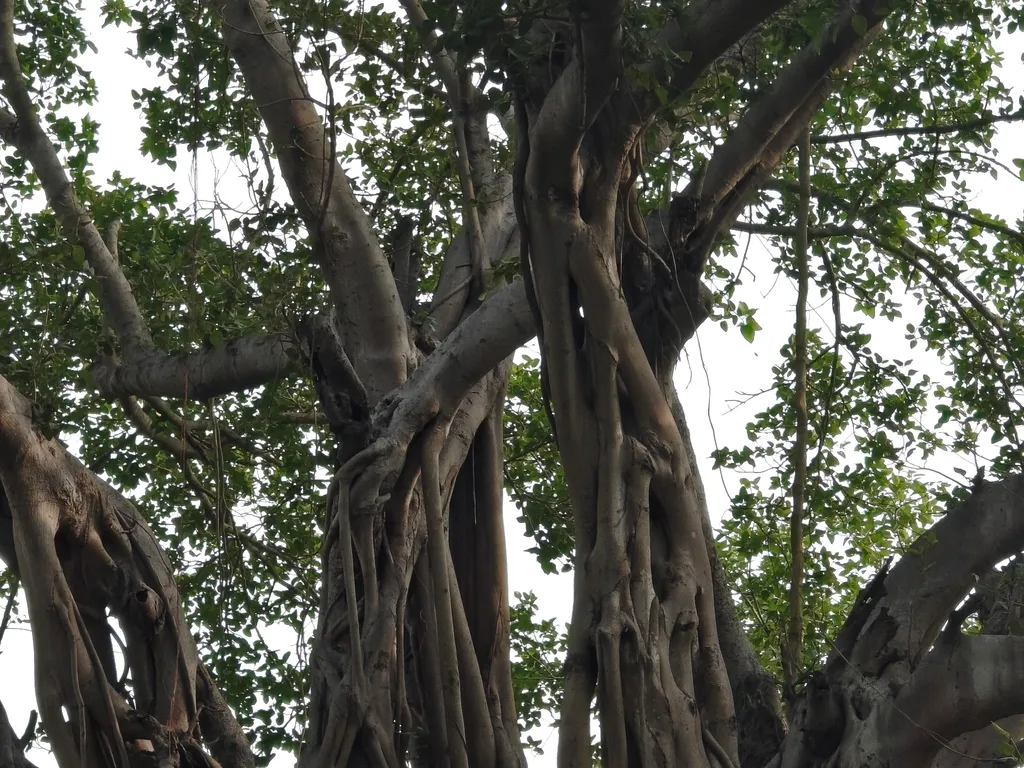
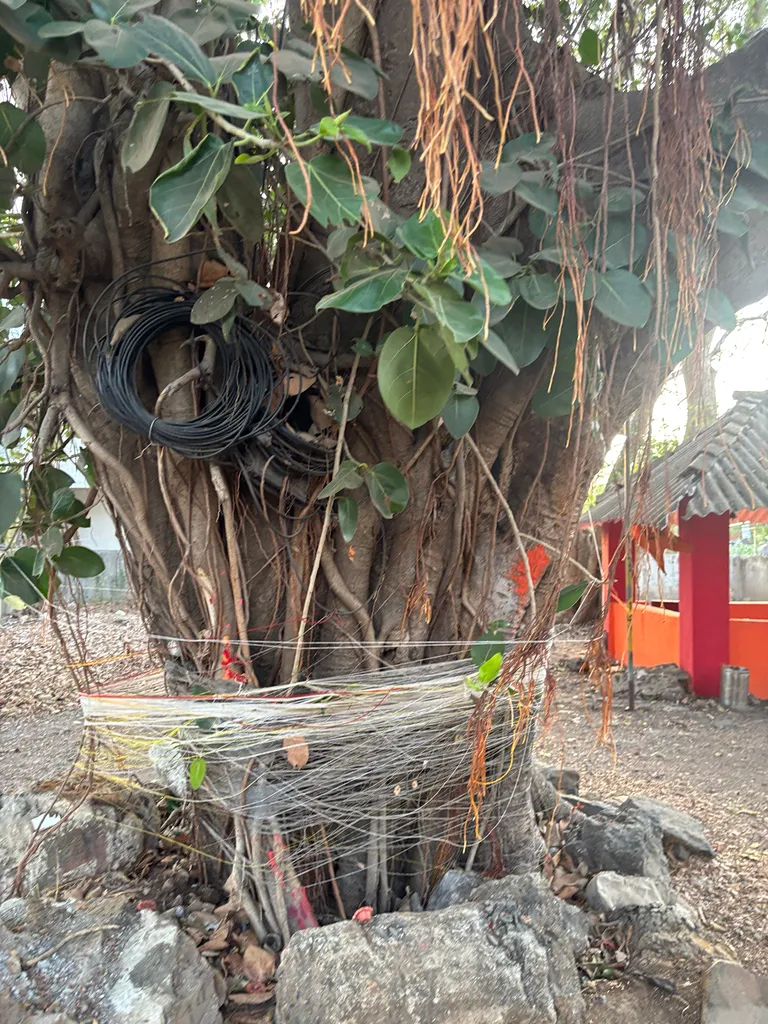
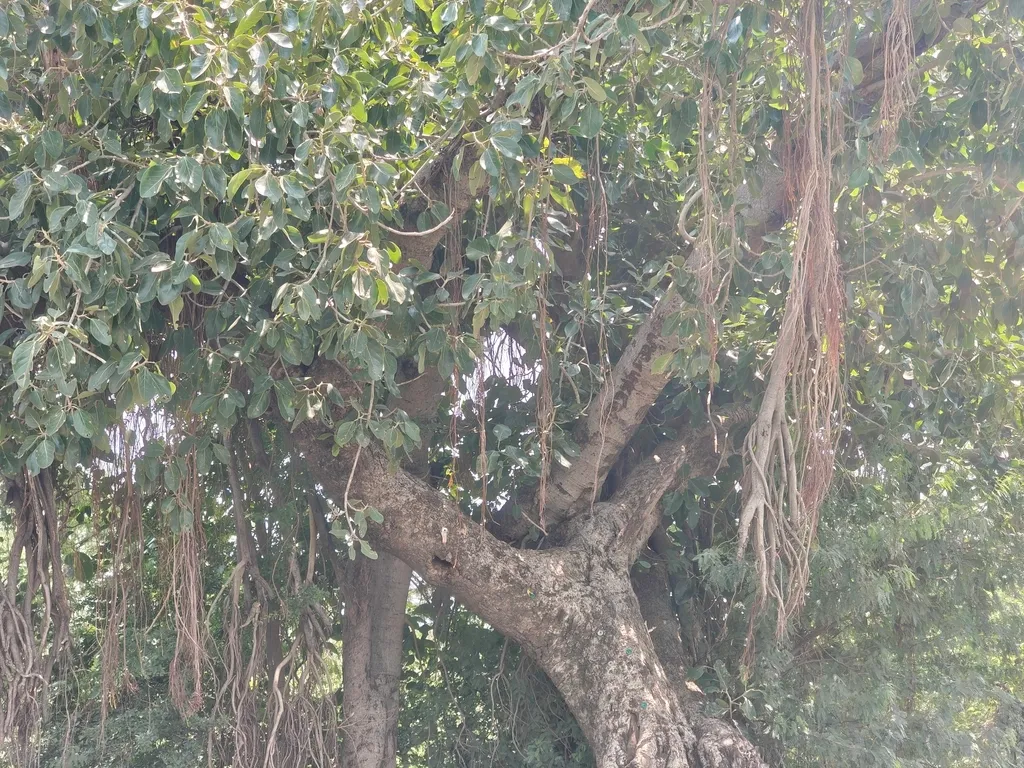
Distribution of banyan
Distribution map
- Native
- Introduced
- Cultivated
Source:WCVP v16 · Royal Botanic Gardens, Kew · CC BY 3.0 · Boundaries:WGSRPD / TDWG
Toxicity
Skin allergen. Wear gloves and other protective equipment when handling
banyan care guide
- Moderate regular watering, allowing brief slight drying between soakings
- Watering
- Full sun
- Sunlight
- 18 – 27 °C
- Ideal temperature

Watering
Moderate regular watering, allowing brief slight drying between soakings
Fertilizing
 Fertilizing
Balanced perennial feed every four weeks from spring through summer
Pruning
 Pruning
Little pruning is needed. Remove diseased, damaged, crowded or crossing shoots and unwanted growth. Timing depends on the plant: generally late winter or early spring; plants prone to bleeding and deciduous magnolias need different timing, and deciduous azaleas and lilacs are pruned after flowering.
Propagation
 Propagation
Propagate by seed, soaked for 12 hours and sown at 18-21°C in spring, or by semi-ripe cuttings with bottom heat in spring or summer. Plants bleed latex when cut, dip in charcoal powder to seal
Growing
 Growing
Grow under glass (minimum temperature 15°C), in a loam-based compost with added bark chippings, in full or filtered light. Water moderately in growth and keep moist over winter
Common pests and diseases
Diseases
May be susceptible to honey fungus
Pests
May be susceptible to glasshouse red spider mite, thrips, mealybugs and scale insects under glass
Explore the plant health library →




