



Planting and Growing pointed-petal fritillary

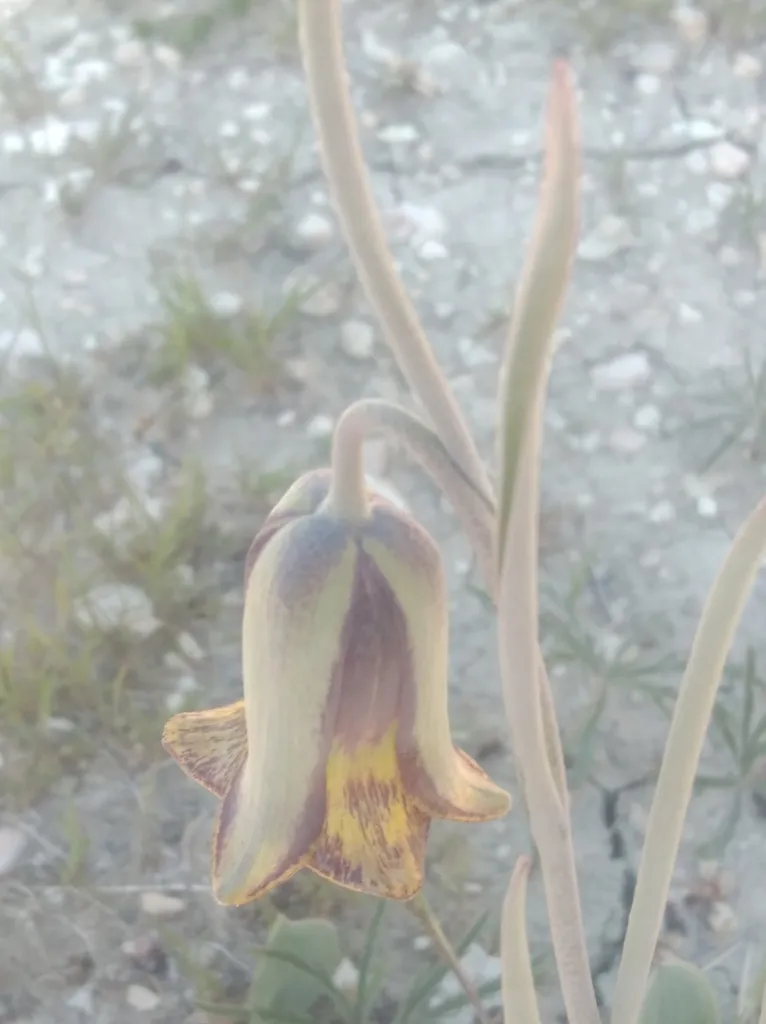
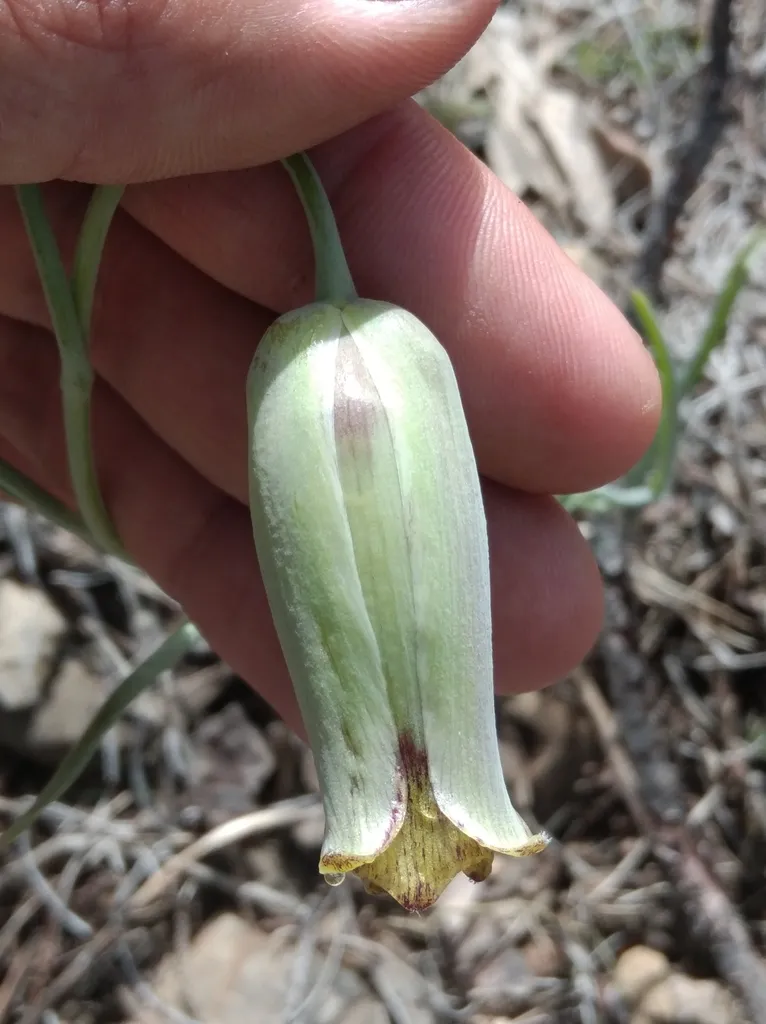
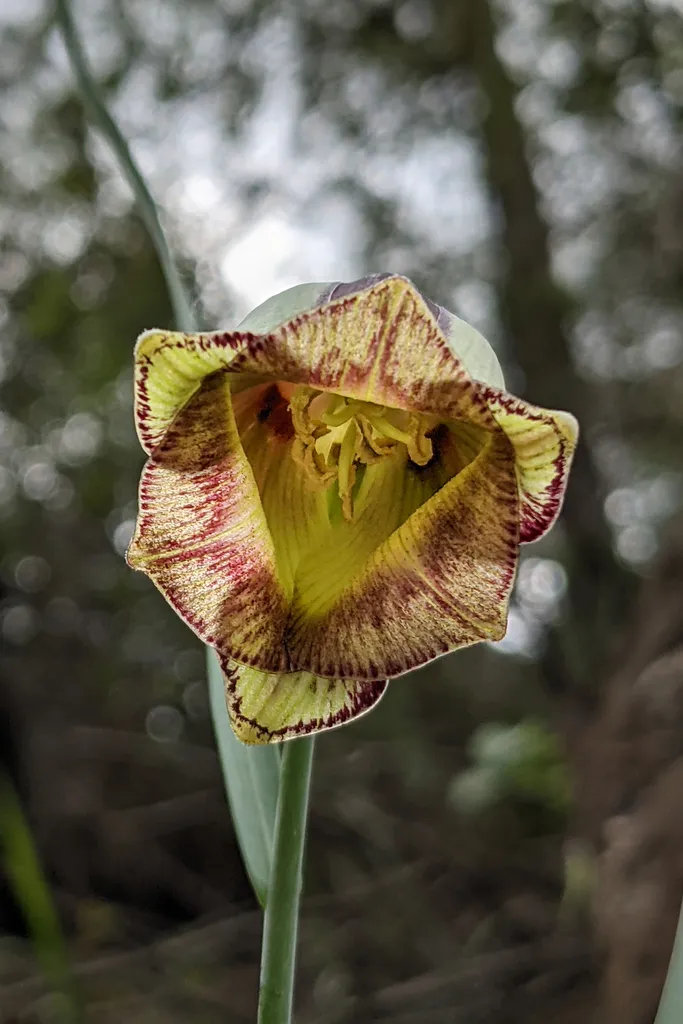
| Care difficulty | 3 / 5 |
|---|---|
| Watering schedule | Moist soil during active growth, then reduce watering after foliage yellows |
| Sunlight requirements | Full sun |
| Ideal temperature | Information to be completed |
| Soil type | Chalk · Loam · Sand |
| Soil pH | Acid · Alkaline · Neutral |
| Soil moisture | Well drained |
| Fertilizing | Light bulb fertilizer at emergence and again after flowering |
| Toxicity | Ornamental bulbs - not to be eaten. Wear gloves and other protective equipment when handling |
How to Water pointed-petal fritillary?
Moist soil during active growth, then reduce watering after foliage yellows
Learn more →What Are the Sunlight Requirements for pointed-petal fritillary?
Full sun
Learn more →What Soil Is Best for pointed-petal fritillary?
- Soil type
- Chalk · Loam · Sand
- Soil pH
- Acid · Alkaline · Neutral
What Are the Moisture Requirements for pointed-petal fritillary?
Well drained
Learn more →How to Fertilize pointed-petal fritillary?

Light bulb fertilizer at emergence and again after flowering
Learn more →How to Prune pointed-petal fritillary?

Cut back when foliage turns yellow at the end of the season
Learn more →How to Propagate pointed-petal fritillary?

Propagate by seed sown in autumn in a cold frame. Expose to winter cold until germination in spring, then transfer to a cold greenhouse. Grow on for 2 years in containers. Divide offsets, or collect and sow bulbils in late summer
Learn more →How to Plant pointed-petal fritillary?
A tolerant species suitable for a sunny border or rock garden. Needs fertile, well-drained soil and full sun
Learn more →Common Pests & Diseases

Diseases
May be susceptible to lily disease (Botrytis elliptica) and a virus
Pests
May be susceptible to slugs and lily beetle
Explore the plant health library →The Toxicity of pointed-petal fritillary
Ornamental bulbs - not to be eaten. Wear gloves and other protective equipment when handling