



Planting and Growing Kamchatka fritillary

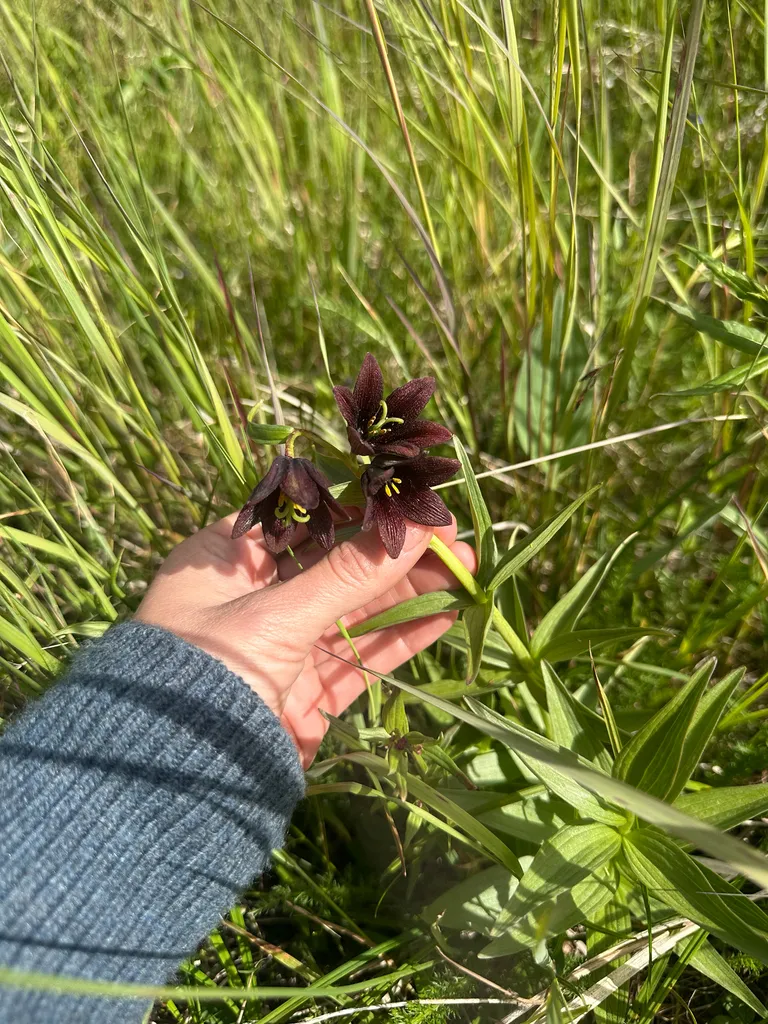
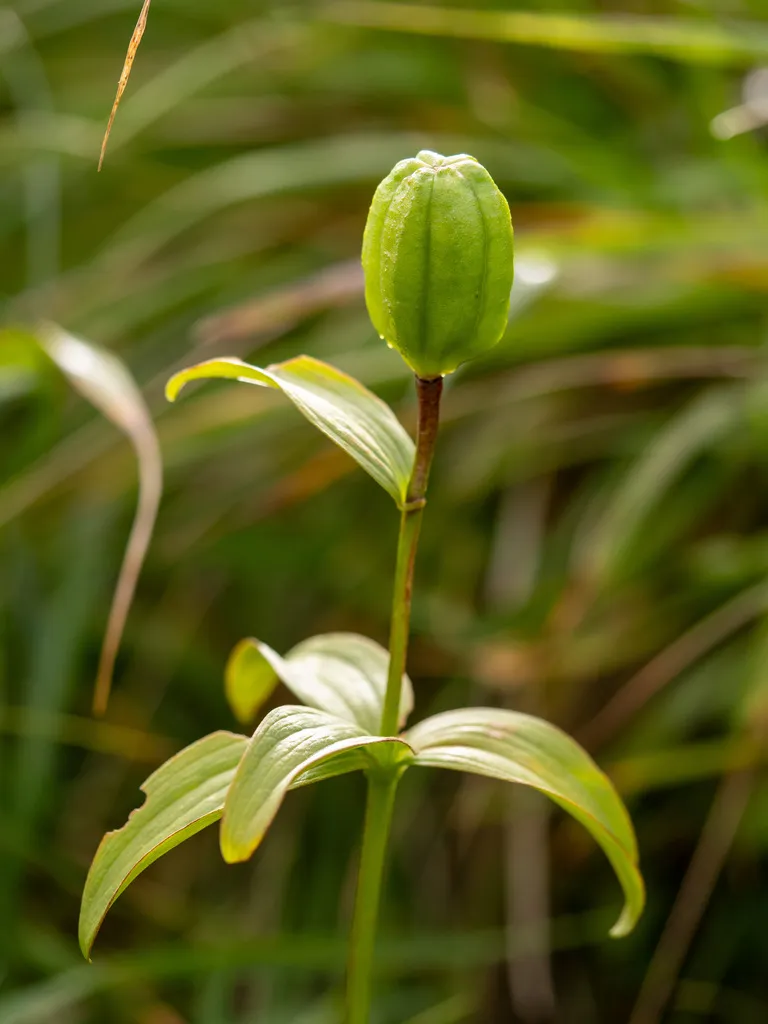
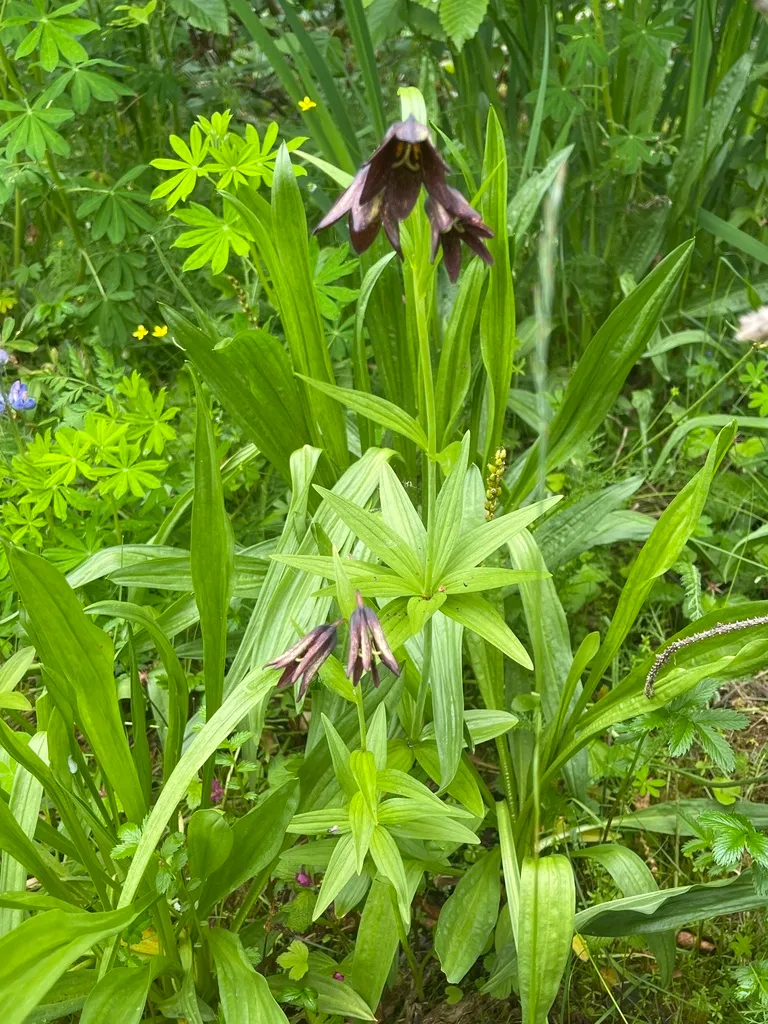
| Care difficulty | 3 / 5 |
|---|---|
| Watering schedule | Moderate regular watering, avoid prolonged drought or waterlogging |
| Sunlight requirements | Partial shade · Full sun |
| Ideal temperature | Information to be completed |
| Soil type | Loam · Sand |
| Soil pH | Acid · Neutral |
| Soil moisture | Well drained · Moist but well drained |
| Fertilizing | Balanced feed in spring and light repeat in growth season |
| Toxicity | Ornamental bulbs - not to be eaten. Wear gloves and other protective equipment when handling |
How to Water Kamchatka fritillary?
Moderate regular watering, avoid prolonged drought or waterlogging
Learn more →What Are the Sunlight Requirements for Kamchatka fritillary?
Partial shade · Full sun
Learn more →What Soil Is Best for Kamchatka fritillary?
- Soil type
- Loam · Sand
- Soil pH
- Acid · Neutral
What Are the Moisture Requirements for Kamchatka fritillary?
Well drained · Moist but well drained
Learn more →How to Fertilize Kamchatka fritillary?

Balanced feed in spring and light repeat in growth season
Learn more →How to Prune Kamchatka fritillary?

No pruning required
Learn more →How to Propagate Kamchatka fritillary?

Propagate by seed, sown in pots in a cold frame in autumn. Needs exposure to winter cold for germination in spring. Division of offsets can be done in late summer
Learn more →How to Plant Kamchatka fritillary?
Grows well in most fertile, humus-rich, well-drained soils, for a full sun location the soil needs to be damp through the summer. Handle the fragile bulbs carefully and plant at four times own depth
Learn more →Common Pests & Diseases

Diseases
Generally disease-free
Pests
May be susceptible to slugs and lily beetle
Explore the plant health library →The Toxicity of Kamchatka fritillary
Ornamental bulbs - not to be eaten. Wear gloves and other protective equipment when handling