



Planting and Growing snake's head fritillary

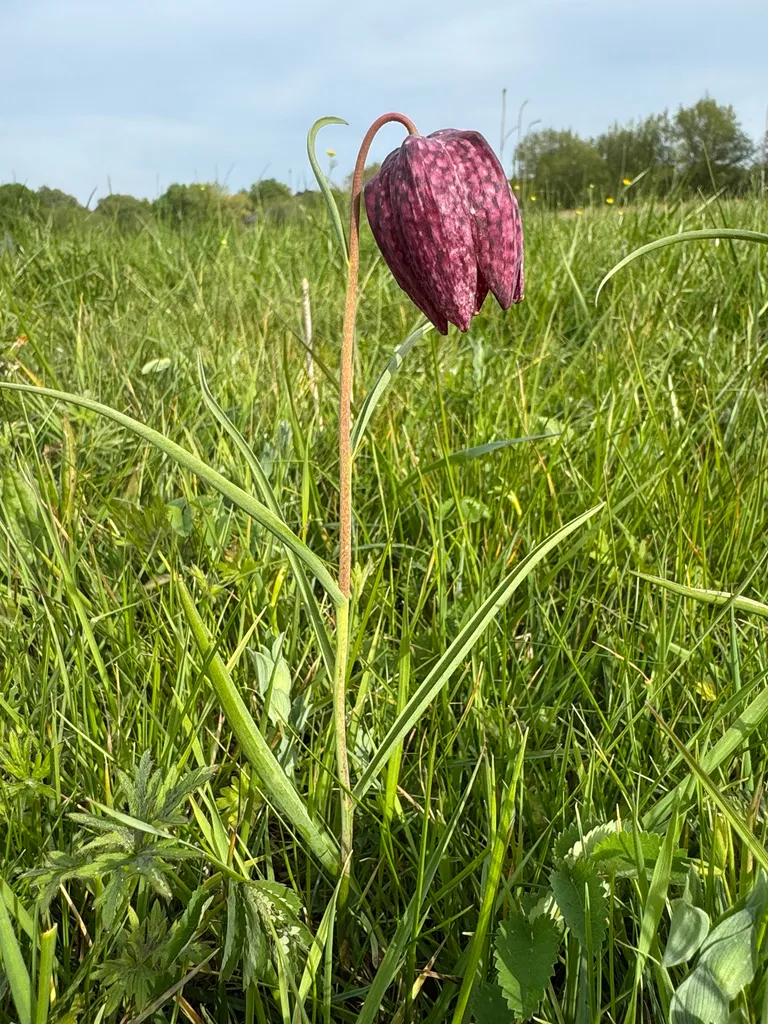
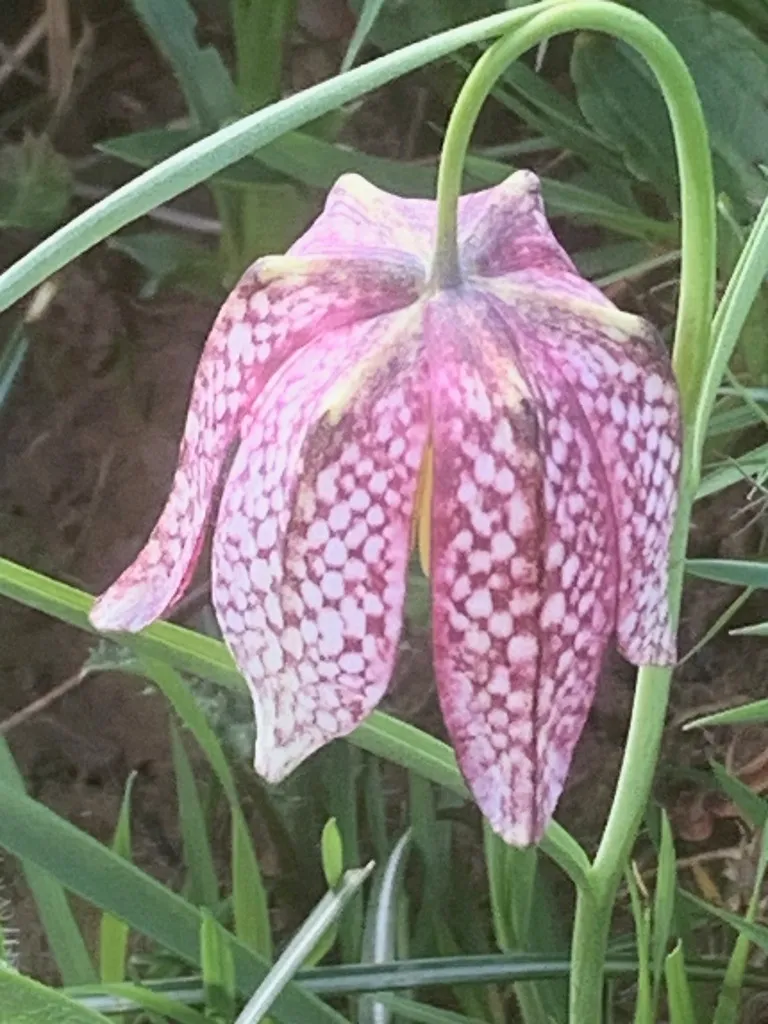
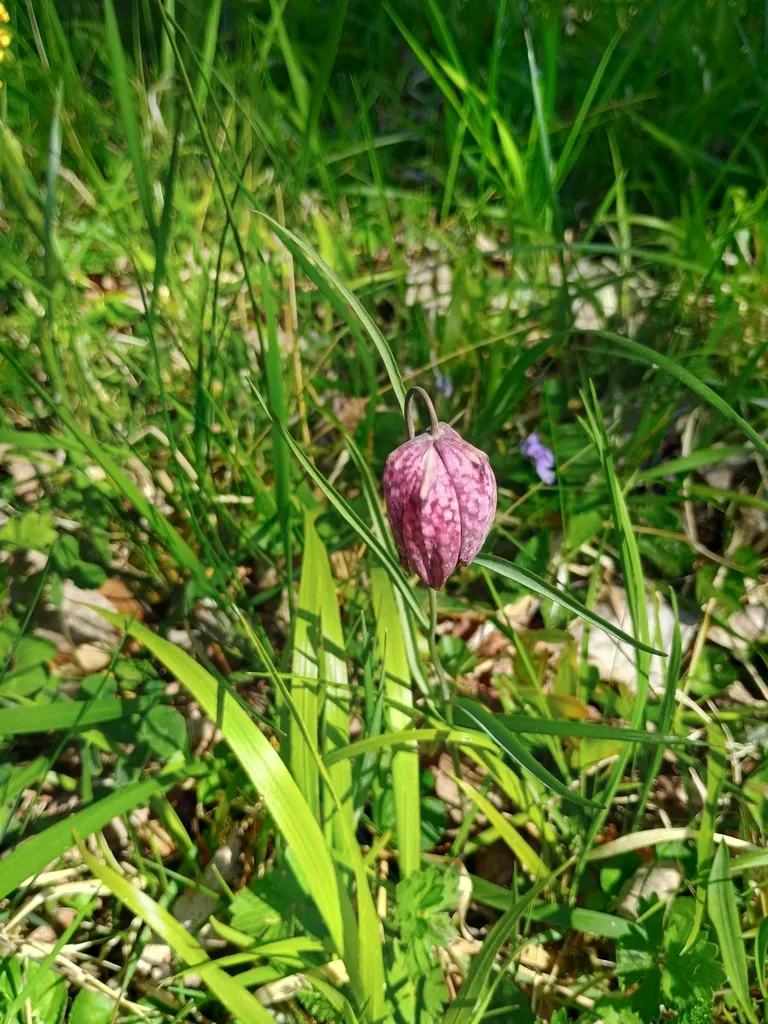
| Care difficulty | 2 / 5 |
|---|---|
| Watering schedule | Moderate regular watering, avoid prolonged drought or waterlogging |
| Sunlight requirements | Full sun · Partial shade |
| Ideal temperature | Information to be completed |
| Soil type | Chalk · Clay · Loam · Sand |
| Soil pH | Acid · Alkaline · Neutral |
| Soil moisture | Moist but well drained · Well drained |
| Fertilizing | Balanced feed in spring and light repeat in growth season |
| Toxicity | Ornamental bulbs - not to be eaten. Wear gloves and other protective equipment when handling |
How to Water snake's head fritillary?
Moderate regular watering, avoid prolonged drought or waterlogging
Learn more →What Are the Sunlight Requirements for snake's head fritillary?
Full sun · Partial shade
Learn more →What Soil Is Best for snake's head fritillary?
- Soil type
- Chalk · Clay · Loam · Sand
- Soil pH
- Acid · Alkaline · Neutral
What Are the Moisture Requirements for snake's head fritillary?
Moist but well drained · Well drained
Learn more →How to Fertilize snake's head fritillary?

Balanced feed in spring and light repeat in growth season
Learn more →How to Prune snake's head fritillary?

No pruning required
Learn more →How to Propagate snake's head fritillary?

Propagate by seed, sown in pots in a cold frame in autumn. Needs exposure to winter cold for germination in spring. Division of offsets can be done in late summer
Learn more →How to Plant snake's head fritillary?
Grows well in most fertile, humus-rich, well-drained soils and prefers cool, moist summers. Handle the fragile bulbs carefully and plant at four times own depth. Suitable for rock garden, raised bed or naturalising in grass
Learn more →Common Pests & Diseases

Diseases
Generally disease-free
Pests
May be susceptible to slugs and lily beetle
Explore the plant health library →The Toxicity of snake's head fritillary
Ornamental bulbs - not to be eaten. Wear gloves and other protective equipment when handling