



Planting and Growing Salvia pratensis 'Lapis Lazuli'

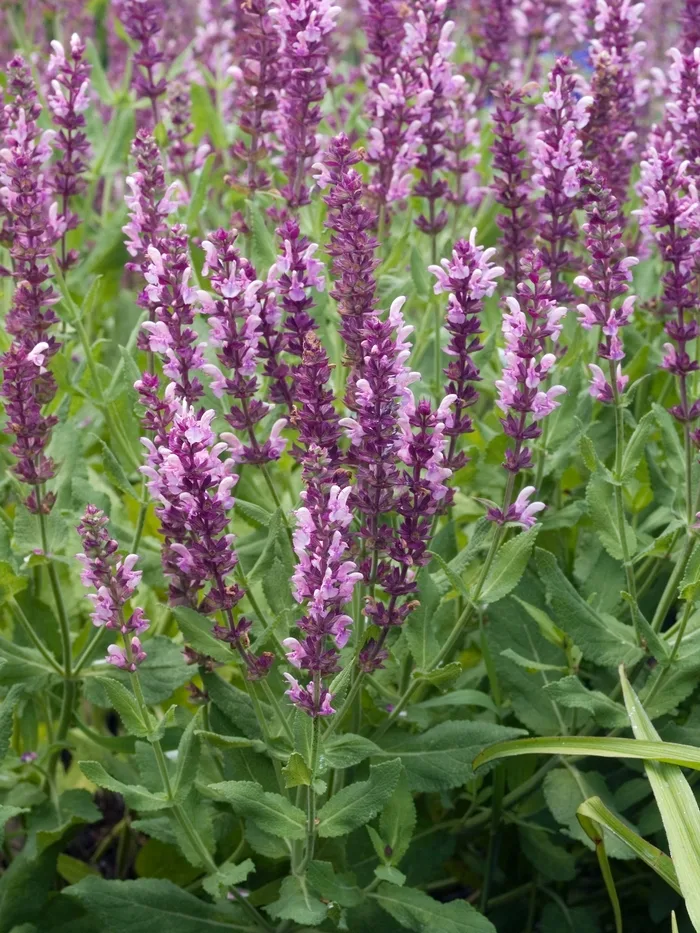
| Care difficulty | 2 / 5 |
|---|---|
| Watering schedule | Water thoroughly then let top layer dry, withstand brief dry weather |
| Sunlight requirements | Full sun · Partial shade |
| Ideal temperature | Information to be completed |
| Soil type | Chalk · Loam · Sand |
| Soil pH | Acid · Alkaline · Neutral |
| Soil moisture | Well drained |
| Fertilizing | Low-strength bloom fertilizer every three weeks warm growing season |
| Toxicity | Information to be completed |
How to Water Salvia pratensis 'Lapis Lazuli'?
Water thoroughly then let top layer dry, withstand brief dry weather
Learn more →What Are the Sunlight Requirements for Salvia pratensis 'Lapis Lazuli'?
Full sun · Partial shade
Learn more →What Soil Is Best for Salvia pratensis 'Lapis Lazuli'?
- Soil type
- Chalk · Loam · Sand
- Soil pH
- Acid · Alkaline · Neutral
What Are the Moisture Requirements for Salvia pratensis 'Lapis Lazuli'?
Well drained
Learn more →How to Fertilize Salvia pratensis 'Lapis Lazuli'?

Low-strength bloom fertilizer every three weeks warm growing season
Learn more →How to Prune Salvia pratensis 'Lapis Lazuli'?

Cut back flower spikes to prolong flowering
Learn more →How to Propagate Salvia pratensis 'Lapis Lazuli'?

Propagate by division in spring and by semi-ripe cuttings in summer
Learn more →How to Plant Salvia pratensis 'Lapis Lazuli'?
Will grow well in soils that are moderately fertile and moist but well-drained preferably in full sun but will tolerate some shade. Once the plant is established it will require less watering.
Learn more →Common Pests & Diseases

Diseases
May be susceptible to honey fungus (rarely), powdery mildews, verticillium wilt and foot and root rots
Pests
Generally pest-free
Explore the plant health library →