



Planting and Growing Cape jasmine

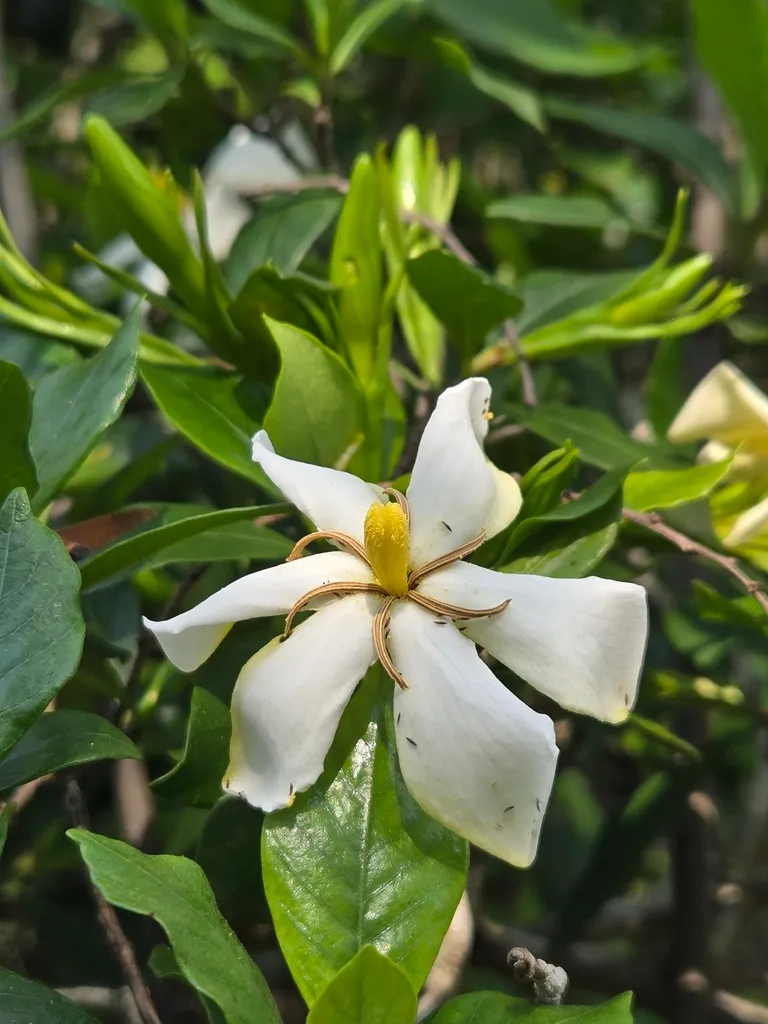
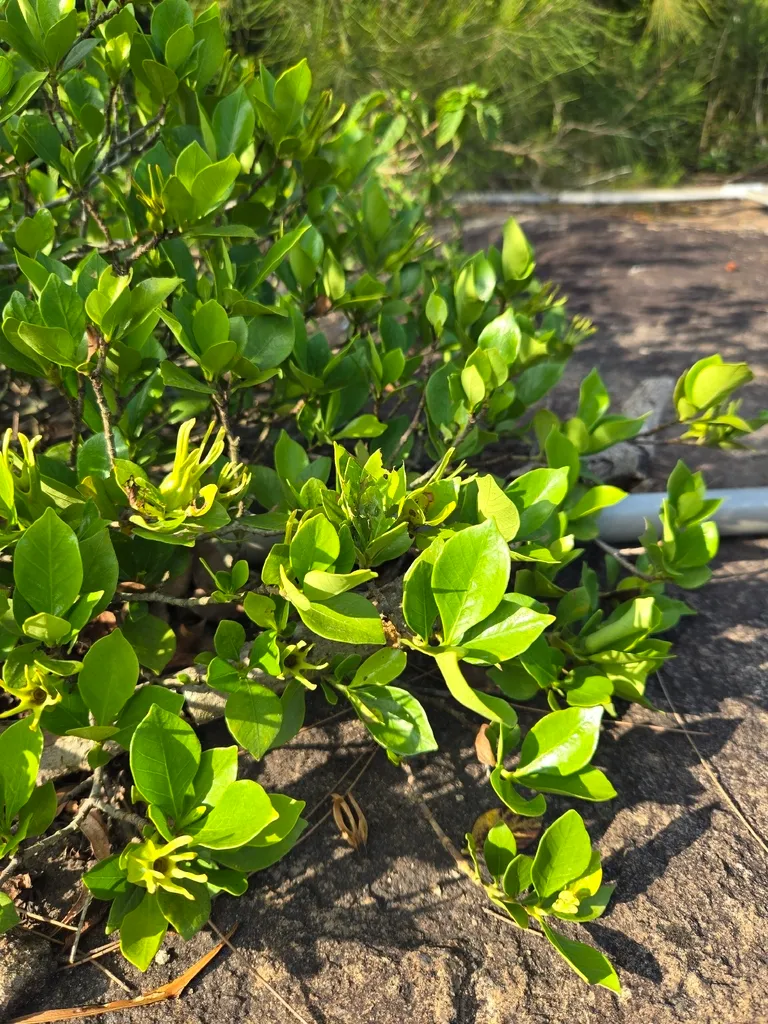
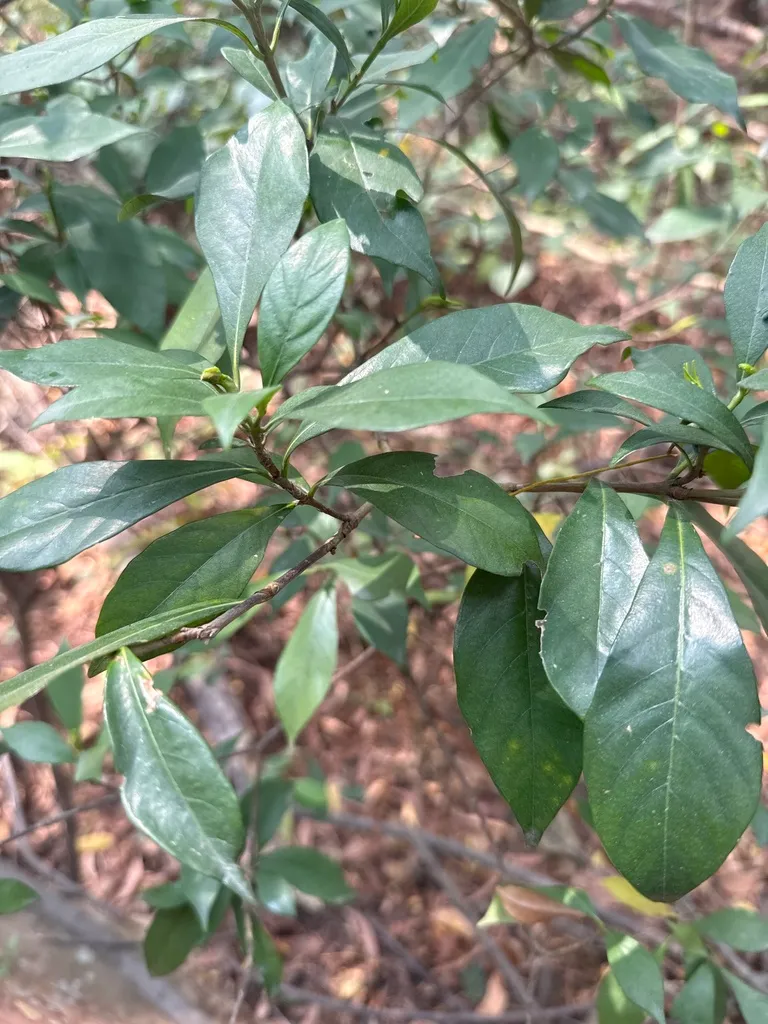
| Care difficulty | 4 / 5 |
|---|---|
| Watering schedule | Keep soil moist but not soggy; use rainwater if possible |
| Sunlight requirements | Partial shade |
| Ideal temperature | 15 – 25 °C |
| Soil type | Clay · Loam · Sand |
| Soil pH | Acid · Neutral |
| Soil moisture | Moist but well drained |
| Fertilizing | Monthly with acidifying fertilizer from spring to fall |
| Toxicity | Information to be completed |
How to Water Cape jasmine?
Native to tropical regions, cape jasmine thrives in environments with high humidity and consistent moisture. This species is known for its preference for evenly moist soil, reflecting its origins. Watering once every 1-2 weeks suffices to maintain this balance without causing waterlogging. Typically grown indoors due to its ornamental value, cape jasmine benefits from a humid environment which can be enhanced by placing the pot on a pebble tray filled with water to increase ambient moisture, aiding in leaf health and bloom vitality.
Learn more →What Are the Sunlight Requirements for Cape jasmine?
Cape jasmine thrives in conditions with partial sun, which allows for a balanced intensity of light without the potential harm that may come from constant direct exposure. In optimal conditions, cape jasmine enjoys a delicate play of light and shade, nurturing its growth and enhancing its flowering potential. It is moderately adaptable, enduring full sun to full shade; however, too much direct sunlight can scorch leaves, while excessive shade may impede flowering. When planted outdoors, cape jasmine favors a spot that mirrors these preferences, possibly shielded by higher foliage. Indoors, cape jasmine prospers near windows with filtered sunlight, away from harsh direct rays, guaranteeing a lush, blooming presence.
Learn more →What Is the Ideal Temperature Range for Cape jasmine?

Cape jasmine exhibits moderate temperature tolerance, enduring cold down to -5℃ (23℉) and heat up to 43℃ (109℉). Sensitivity to temperature extremes means cape jasmine may show signs of stress such as leaf yellowing or dropping if exposed beyond these ranges. During colder weather, protect cape jasmine from frost by using covers or moving the plant indoors. In extremely hot conditions, ensure adequate hydration and shielding from direct afternoon sun. This temperature resilience makes cape jasmine suitable for a variety of climates, though extra care is needed during peak cold or heat to prevent damage and maintain its health.
Learn more →What Soil Is Best for Cape jasmine?
Cape jasmine requires acidic soil with a pH of between 5 and 6.5, preferring soil to be well-draining, organic and rich in nutrients.Soil test kits are the best way to determine how acidic your soil is. Don’t forget to also test your water source too - tap water is usually slightly alkaline to prevent water pipe erosion. If your soil is too alkaline, there are a number of amendments that you can mix in, such as peat moss, elemental sulfur, and iron sulfate. Using diluted vinegar is another common way to quickly acidify the soil. Soils that are heavy in sand, clay or silt should be amended with organic matter, be it aged manure, ground bark or finished compost, before being used for cape jasmine. Other organic supplements, such as leaf mold and alfalfa meal, can help to boost growth, as will a 5 to 10 cm layer of organic mulch applied each spring around the base of the plant.
- Soil type
- Clay · Loam · Sand
- Soil pH
- Acid · Neutral
What Are the Moisture Requirements for Cape jasmine?
Moist but well drained
Learn more →How to Fertilize Cape jasmine?

Fertilize cape jasmine every 2-4 weeks with balanced nutrition fertilizers during growing seasons for lush growth and prolific blooms. Apply according to package directions—over-fertilizing damages roots. In winter, reduce to once monthly. Adjust for indoor/outdoor conditions; less in low light. Use caution—shield leaves from direct contact. Water soil before and after application to aid nutrient absorption and prevent burn.
Learn more →How to Prune Cape jasmine?

Cape jasmine, known for its fragrant white flowers and glossy evergreen leaves, benefits significantly from early spring pruning. Remove dead or weak branches, trim back healthy shoots to manage size and shape, and encourage bushier growth. Always use clean, sharp tools to prevent disease. Prune after blooming to avoid reducing the next year's flowers. Proper pruning promotes better air circulation, reduces disease risk, and enhances overall plant health, ensuring vibrant blooms and a well-maintained appearance.
Learn more →How to Propagate Cape jasmine?

Belonging to the Rubiaceae family, cape jasmine is widely appreciated for its fragrant white flowers and shiny, dark green leaves. Propagation is effectively achieved through cuttings to keep the desirable traits intact. For best results, semi-hardwood cuttings should be taken from healthy, disease-free parent plants. The cuttings are typically treated with a rooting hormone to encourage root growth and then planted in well-drained, yet moisture-retentive media. Establishing an optimal environment with consistent humidity and warmth helps ensure successful rooting and growth.
Learn more →How to Transplant Cape jasmine?
The optimal transplanting time for cape jasmine is from mid-spring to late spring, or mid-fall to late fall. These periods promote better root development. Choose a well-draining location with partial to full sun for best results. Take care and be gentle while handling the root ball during transplantation.
Learn more →How to Care for Cape jasmine in Winter?

Cape jasmine originates from warm, tropical regions, naturally blossoming in mild winters. Adapting to colder climates can be challenging, requiring a snug indoor setting below 60°F. Over-winter care constitutes maintaining a humid environment alongside well-drained, rich soil. Note, exposure to chilly drafts or fluctuating temperatures can damage the plant. Cape jasmine's survival depends on the gardener's prowess to simulate its native surroundings indoors.
Learn more →How to Plant Cape jasmine?
Indoors-potted: In a cozy indoor setting, cape jasmine thrives with stable temperatures and enjoys being rotated regularly to maintain its lush, symmetrical foliage. Outdoors-potted: When potted outdoors, cape jasmine requires shelter from harsh elements; a moveable pot ensures you can protect its delicate blooms during unexpected weather shifts. Outdoors-in the ground: Cape jasmine, planted in the garden, prefers a well-defined space as it can spread extensively; mindful pruning encourages healthier growth and flowering.
Learn more →How to Repot Cape jasmine?
Repot cape jasmine every 2-3 years in spring before the active growth phase to replenish its soil. Cape jasmine, a bushy evergreen, thrives in well-draining, medium-sized pots that accommodate its robust root system. After repotting, maintain high humidity and partial shade, and keep the soil moist to encourage cape jasmine's recovery and lush flowering.
Learn more →How to Harvest Cape jasmine?

Cape jasmine makes a gorgeous cut flower, but keep in mind that the flowers will turn brown wherever you touch them, so avoid touching the petals as much as possible. Harvest stems in the early morning or late evening, using sharp shears to separate them from the main plant. Once harvested, cape jasmine does not have a long shelf life, so use it as soon as possible.
Learn more →Common Pests & Diseases

Diseases
May be affected by glasshouse grey mould
Pests
Prone to glasshouse whitefly and mealybugs under glass
Explore the plant health library →Troubleshooting
Interveinal Yellowing (Chlorosis) or Brown Leaf Tips
Cape jasmine (Gardenia jasminoides) prefers slightly acidic, humus-rich, well-drained soil and moderate-to-high humidity; alkaline water or soggy roots trigger leaf yellowing.
| What you notice | Possible explanation | What to check next |
|---|---|---|
| New upper leaves turn yellow while leaf veins remain dark green | Iron or micronutrient chlorosis caused by high soil pH (alkaline soil/hard tap water) or cold wet roots | Check soil/water alkalinity and whether yellowing is strongest on newest leaves |
| Older lower leaves turn uniformly yellow and drop while potting mix stays wet | Overwatering, poor drainage, or cold drafts damaging roots | Feel two inches into the mix and inspect drainage holes |
| Leaf tips and edges turn dry and brown in indoor rooms | Low indoor humidity, dry heating vents, or soluble salt buildup | Check room humidity and look for white mineral crust on the soil surface |
- Grow in a lime-free acidic ericaceous potting mix (pH 5.0–6.5) and water with rainwater or filtered water when the top inch of soil feels dry.
- If interveinal chlorosis appears on new growth, check soil pH and apply a chelated iron or acid-loving plant fertilizer per label directions during active growth.
- Increase local humidity with a pebble tray or humidifier and keep away from cold drafts below 10–15°C (50–59°F).
Stop fertilizing chlorotic plants until root drainage and soil pH are verified, as excess salts worsen root burn.
Bud Drop, Poor Blooming, or Whiteflies/Scale/Sooty Mold
Flower bud drop and sap-sucking pests are common when indoor humidity fluctuates or air movement is limited.
| What you notice | Possible explanation | What to check next |
|---|---|---|
| Flower buds turn yellow-brown and drop before opening | Sudden temperature swings, cold drafts, dry air, or soil moisture extremes | Check proximity to vents/drafty windows and review watering consistency |
| Sticky honeydew, black sooty mold coating leaves, or whiteflies/scale/spider mites on undersides | Whiteflies, scale insects, mealybugs, or spider mites | Inspect leaf undersides and stems closely |
- Place in bright, indirect light (or gentle morning sun) and maintain steady soil moisture and humidity without moving the plant abruptly once budded.
- Prune lightly right after flowering to maintain a bushy shape and encourage new flowering shoots.
- Isolate pest-infested plants, wipe off honeydew/sooty mold with a damp cloth, and apply insecticidal soap or horticultural oil per label directions.
Keep Cape jasmine (Gardenia jasminoides) out of reach of pets, as ingestion causes toxicity in cats and dogs.