
Cape jasmine
Also known as: common gardenia; Cape jessamine; gardenia; jasmin
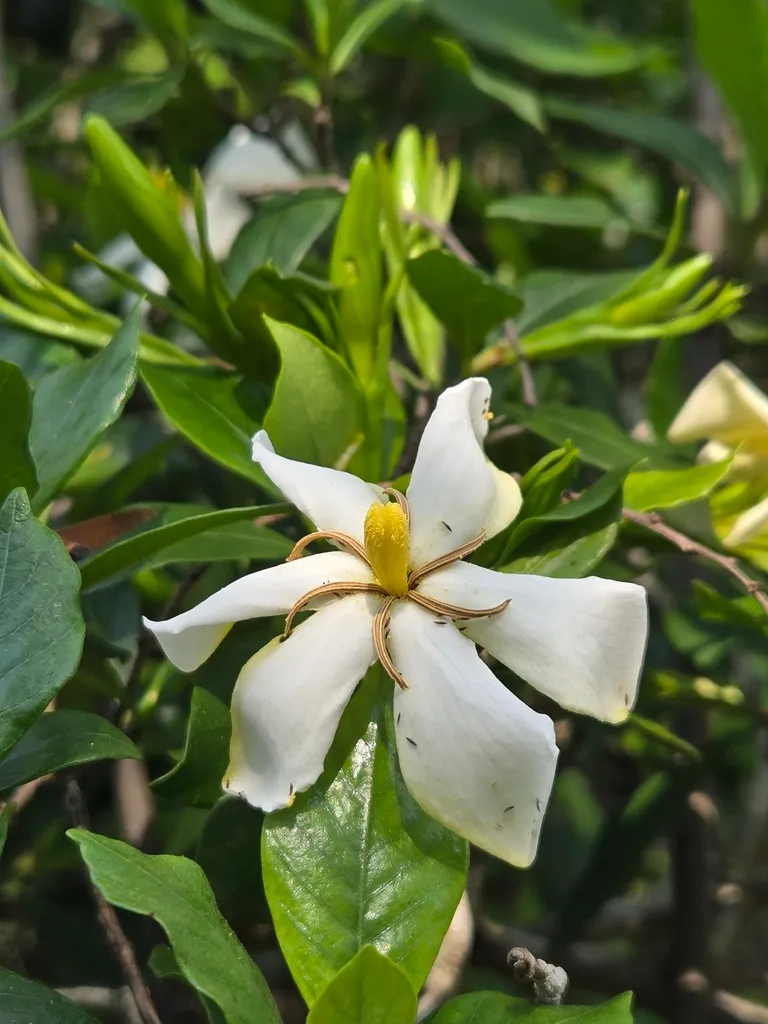
A large evergreen shrub with deep glossy green, elliptic leaves and very fragrant, broadly funnel-shaped white flowers 8cm across in summer and autumn
Scientific classification
- Species
- Cape jasmine (Gardenia jasminoides)
- Genus
- Gardenia
- Family
- Rubiaceae
- Order
- Gentianales
- Class
- Magnoliopsida
- Phylum
- Tracheophyta
- Information to be completed
- Toxicity
- Conservatory Greenhouse · Shrubs
- Plant type
- 1-1.5 metres
- Height
- 1-1.5 metres
- Spread
- Evergreen
- Foliage
- Bushy
- Habit
- Spring · Summer · Autumn · Winter
- Season of interest
- Partial shade
- Sunlight
- 15 – 25 °C
- Ideal temperature









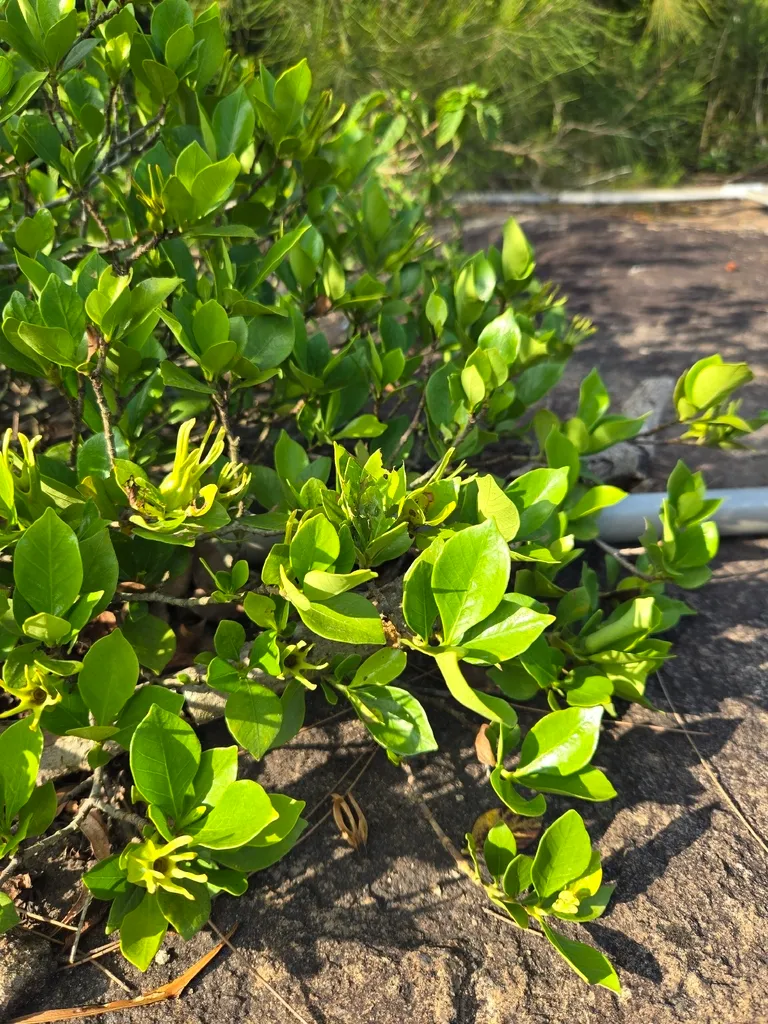
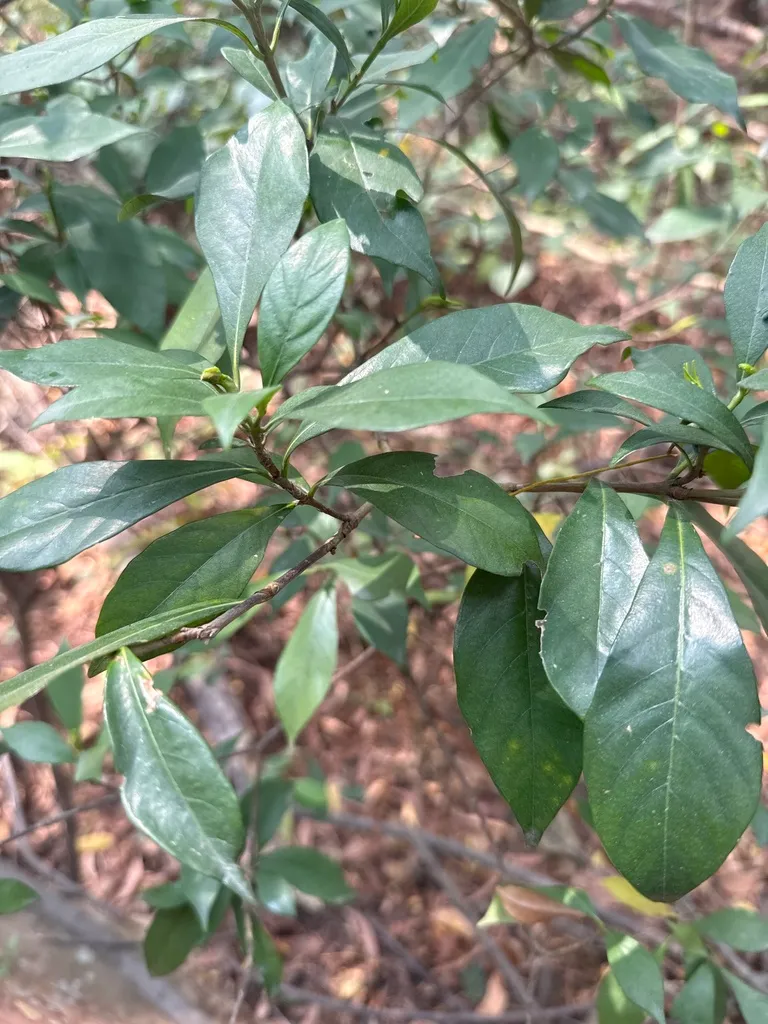
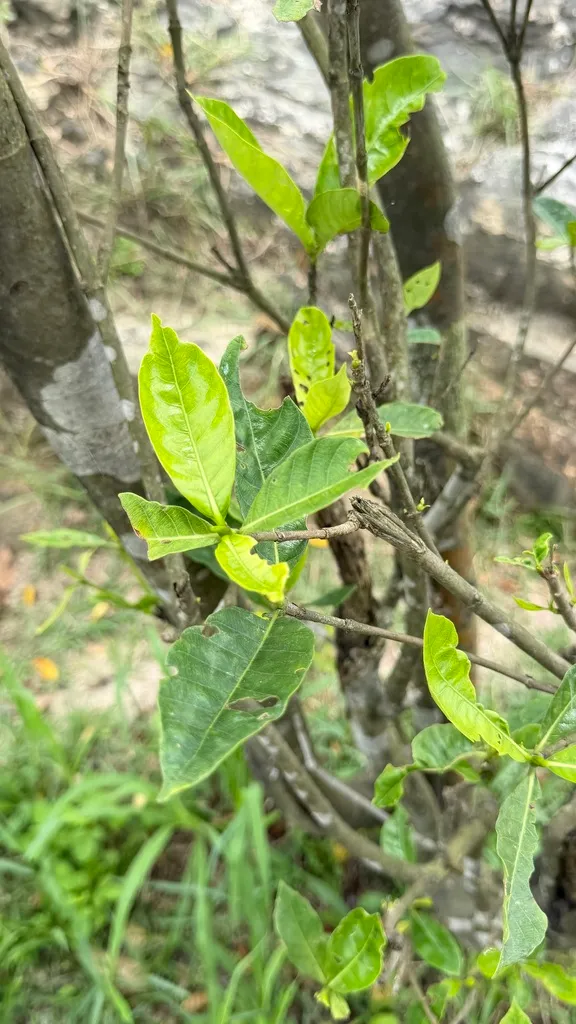
Cape jasmine pictures
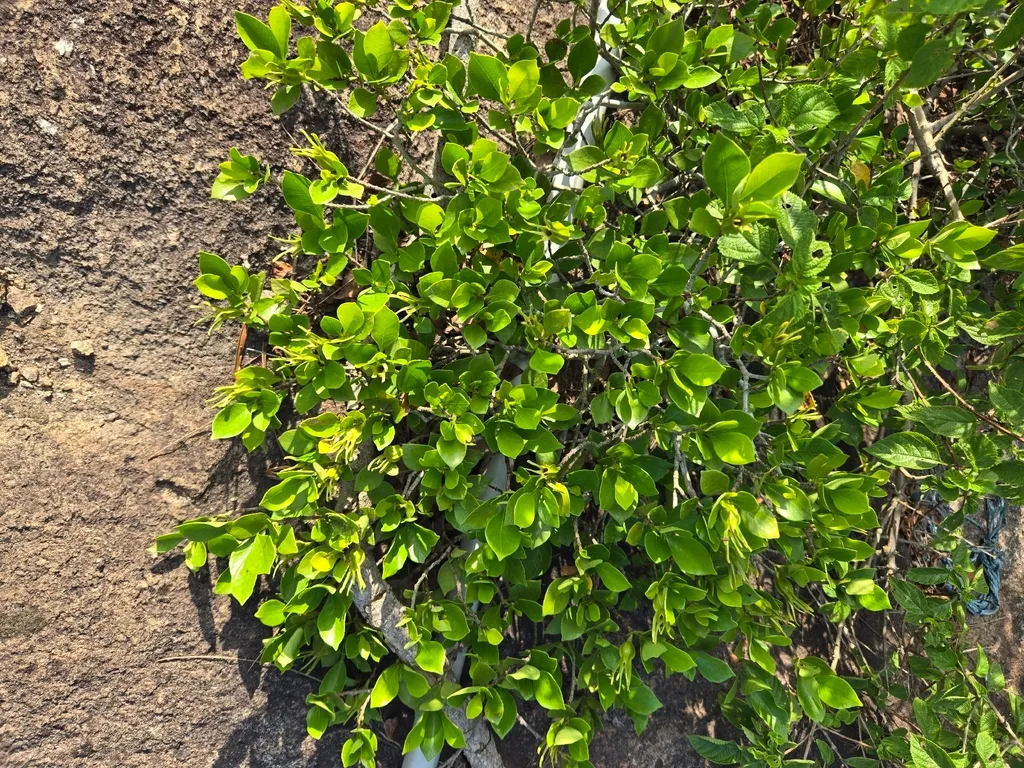
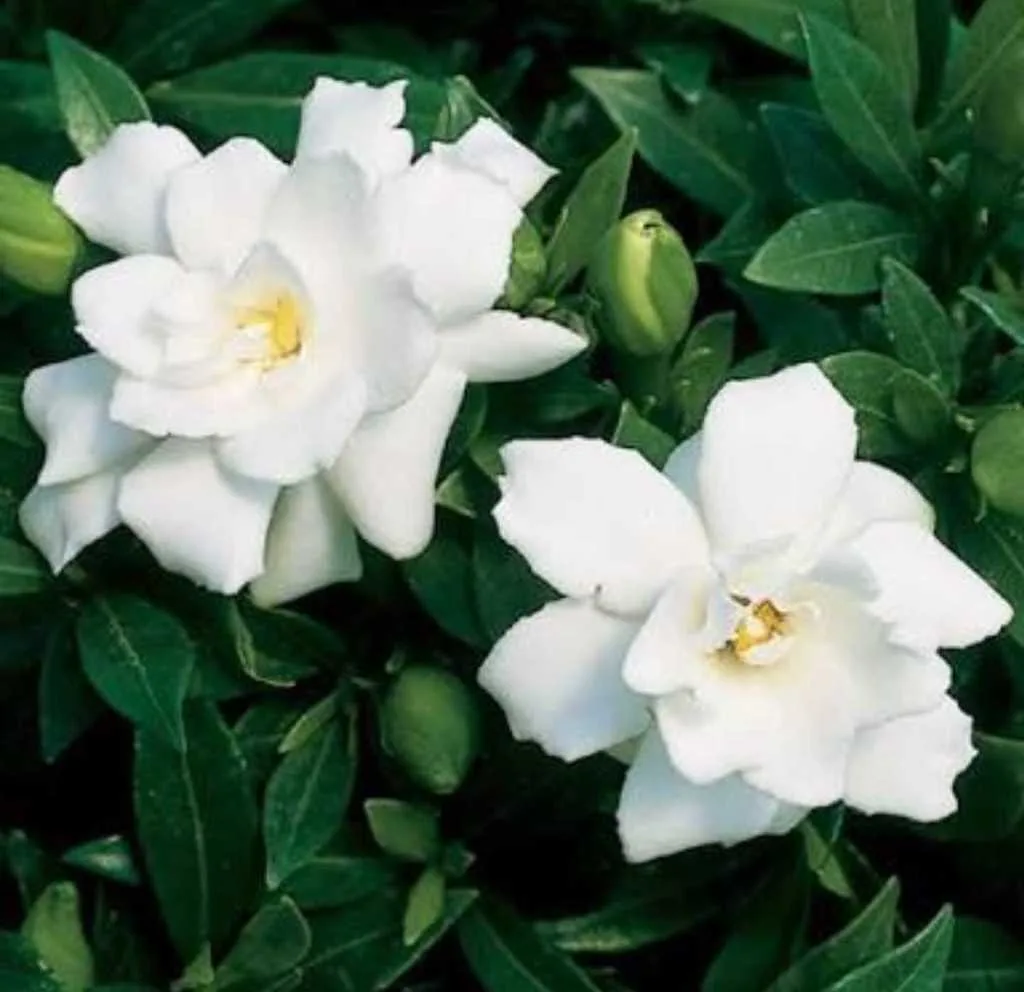
Distribution of Cape jasmine
Distribution map
- Native
- Introduced
- Cultivated
Source:WCVP v16 · Royal Botanic Gardens, Kew · CC BY 3.0 · Boundaries:WGSRPD / TDWG
Cape jasmine care guide
- Keep soil moist but not soggy; use rainwater if possible
- Watering
- Partial shade
- Sunlight
- 15 – 25 °C
- Ideal temperature

Watering
Keep soil moist but not soggy; use rainwater if possible
Fertilizing
 Fertilizing
Monthly with acidifying fertilizer from spring to fall
Pruning
 Pruning
Prune lightly as needed to remove unwanted shoots and keep the shrub in shape. Prune in mid- to late spring.
Propagation
 Propagation
Propagate by seed, greenwood or semi-hardwood cuttings
Growing
 Growing
May be grown outdoors in pots and containers in moist but well-drained soil in partial or light dappled shade in a frost free site, but this must be in a sheltered, frost-free warm area. Best to bring indoors if temperature dips below about 6°C. Otherwise, grow under glass in lime-free soil in bright filtered light in moderate humidity
Common pests and diseases
Diseases
May be affected by glasshouse grey mould
Pests
Prone to glasshouse whitefly and mealybugs under glass
Explore the plant health library →




