
Chamaedorea microspadix
Also known as: Information to be completed
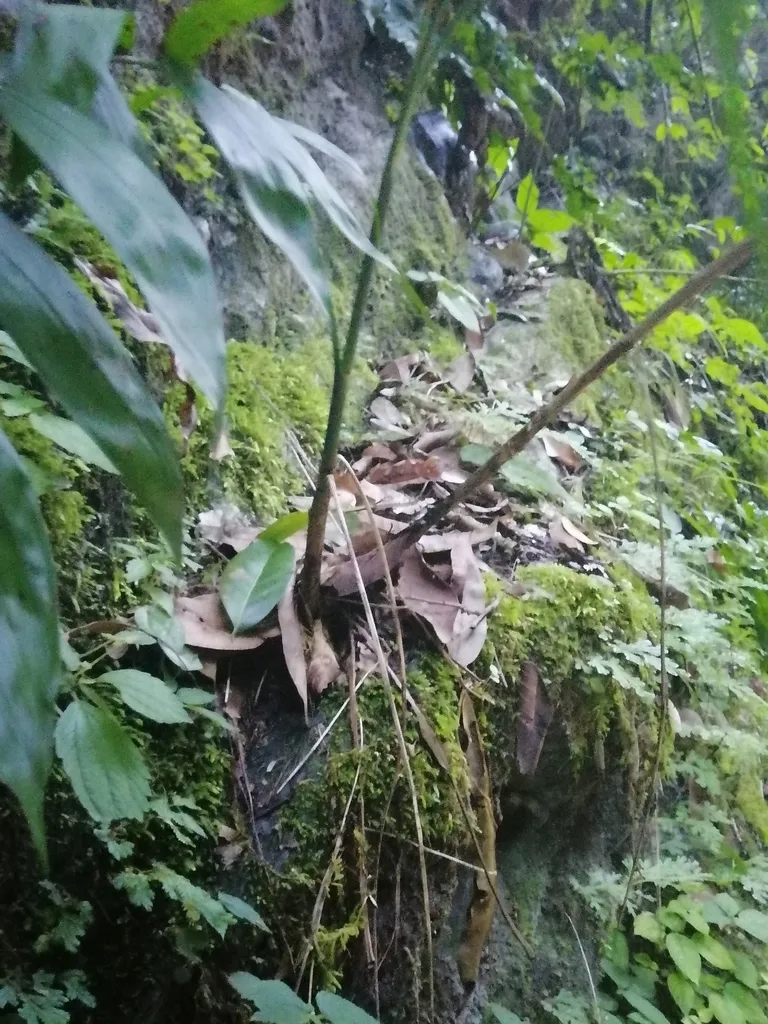
A small, suckering palm to 1.5m, with groups of cane-like stems and arching, feathery leaves composed of lance-shaped leaflets. Mature plants may produce drooping clusters of small pale yellow flowers in summer. It makes a good house or conservatory plant, and is tolerant of temperatures as low as -5°C if kept dry
Scientific classification
- Species
- Chamaedorea microspadix (Chamaedorea microspadix)
- Genus
- Chamaedorea
- Family
- Arecaceae
- Information to be completed
- Toxicity
- Conservatory Greenhouse · Palms · Houseplants
- Plant type
- 1-1.5 metres
- Height
- 0.5-1 metres
- Spread
- Evergreen
- Foliage
- Clump forming
- Habit
- Spring · Summer · Autumn · Winter
- Season of interest
- Partial shade
- Sunlight
- Information to be completed
- Ideal temperature









Chamaedorea microspadix pictures


Distribution of Chamaedorea microspadix
Distribution map
Eastern Mexico
Information to be completed
Culture
Information to be completed
Toxicity
Information to be completed
Quick identification of Chamaedorea microspadix
Information to be completed
Chamaedorea microspadix care guide
- Even soft soil moisture, minimal surface drying allowed between waters
- Watering
- Partial shade
- Sunlight
- Information to be completed
- Ideal temperature

Watering
Even soft soil moisture, minimal surface drying allowed between waters
Fertilizing
 Fertilizing
Diluted tropical palm foliage feed monthly spring through early autumn
Pruning
 Pruning
No pruning required
Propagation
 Propagation
Propagate by sowing seed in spring at 25°C
Growing
 Growing
Grow in pots of multipurpose compost in bright, filtered light with protection from direct summer sun. Water moderately in growth and apply a balanced liquid feed every month during the growing season; mist daily to increase humidity. See palm cultivation indoors for further information
People also ask
Information to be completed
Common pests and diseases
Diseases
Generally disease-free
Pests
May be susceptible to glasshouse red spider mite, thrips and scale insects
Explore the plant health library →




