



Planting and Growing Jerusalem artichoke

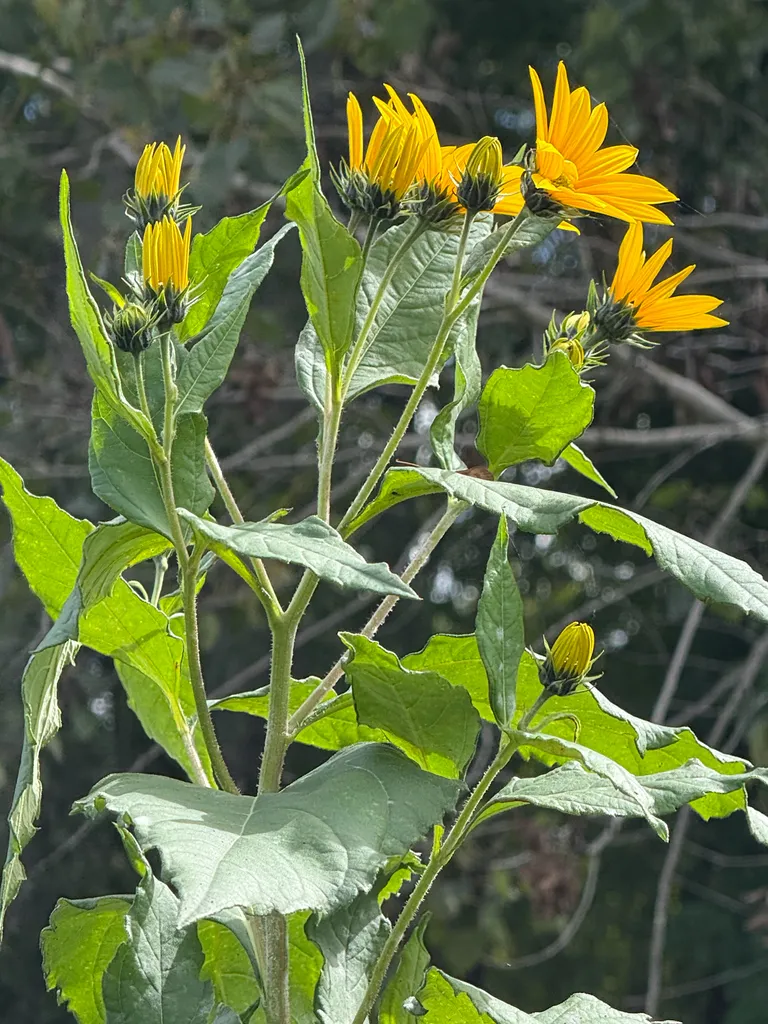
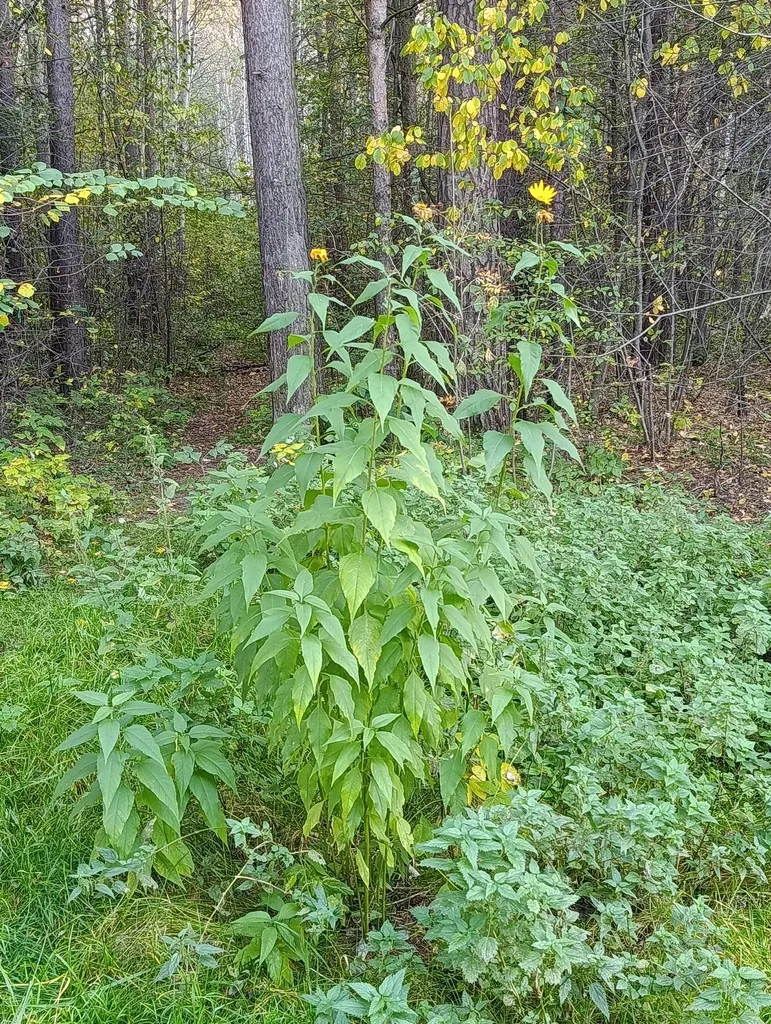
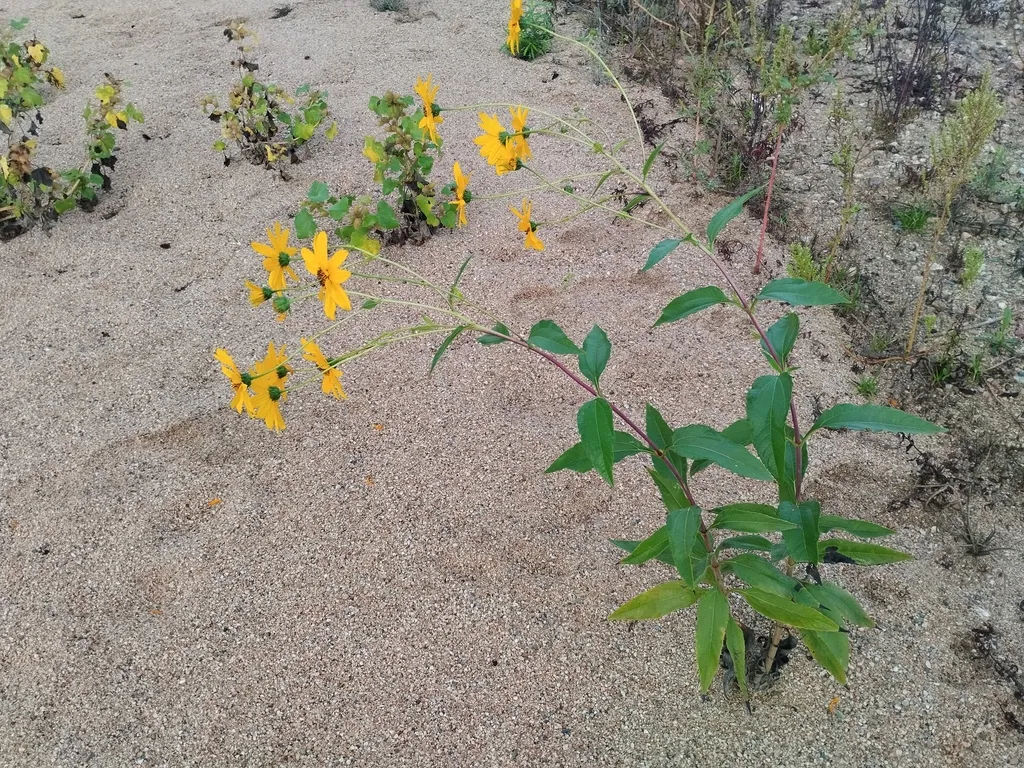
| Care difficulty | 1 / 5 |
|---|---|
| Watering schedule | Moderate regular watering, allowing brief slight drying between soakings |
| Sunlight requirements | Full sun |
| Ideal temperature | 15 – 25 °C |
| Soil type | Chalk · Clay · Loam · Sand |
| Soil pH | Acid · Alkaline · Neutral |
| Soil moisture | Moist but well drained |
| Fertilizing | Balanced perennial feed every four weeks from spring through summer |
| Toxicity | Information to be completed |
How to Water Jerusalem artichoke?
Thriving in its native habitat of North America, jerusalem artichoke is well-adapted to moderate moisture conditions and can tolerate brief periods of drought. This species exhibits a preference for consistent moisture but does not require excessive watering, aligning with its watering every week routine. Typically grown outdoors due to its robust nature, jerusalem artichoke has a unique ability to store water within its tuberous roots, which aids in surviving variable weather patterns and makes it less dependent on frequent rainfall.
Learn more →What Are the Sunlight Requirements for Jerusalem artichoke?
Jerusalem artichoke thrives in full sun environments, requiring at least six to eight hours of direct sunlight daily to promote optimal growth, health, and prolific flowering. While jerusalem artichoke can tolerate partial sun, prolonged reduced light exposure might affect the overall vigor, causing less robust growth and fewer flowers. Adaptations such as expansive leaf growth maximize photosynthesis even in less-than-ideal light situations. For successful outdoor cultivation, jerusalem artichoke should be planted in open areas that receive unobstructed sunlight for the majority of the day.
Learn more →What Is the Ideal Temperature Range for Jerusalem artichoke?

Jerusalem artichoke exhibits remarkable resilience to temperature fluctuations, enduring cold as low as -20℃ (-4℉) and heat up to 38℃ (100℉). This robust tolerance means jerusalem artichoke can thrive in varied climates, but care adjustments are crucial. Under excessively cold conditions, symptoms like wilting, discoloration, and stunted growth may appear, necessitating mulching or covering. Conversely, overheating can induce leaf scorching and dehydrated soil, requiring shading and increased watering. Such adaptive capacity enhances jerusalem artichoke's viability in diverse environments, bolstering its appeal for growers in regions with extreme weather variations.
Learn more →What Soil Is Best for Jerusalem artichoke?
For jerusalem artichoke, well-draining soil is critical to prevent water-logging. Use a mix of garden soil, sand, and compost in equal parts. If garden soil is not available, a general-purpose potting mix with added sand for improved aeration works well. Enhancing with organic compost offers essential nutrients. Fertilize monthly during the growing season using a balanced fertilizer. Ensure the soil is loose and well-aerated for optimal growth.
- Soil type
- Chalk · Clay · Loam · Sand
- Soil pH
- Acid · Alkaline · Neutral
What Are the Moisture Requirements for Jerusalem artichoke?
Moist but well drained
Learn more →How to Fertilize Jerusalem artichoke?

For jerusalem artichoke, optimal fertilization involves using high-phosphorus and potassium fertilizers to promote tuber formation and plant vigor. Apply fertilizer sparingly in early spring as growth begins, and again mid-season if growth appears sluggish. Over-fertilization can lead to excessive foliage at the cost of tuber development. Use a balanced fertilizer such as a 5-10-10 blend, at the rate specified by the product, typically a light application per square yard. Annual soil testing can guide adjustments in fertilization programs, ensuring nutritional balance and avoiding nutrient runoff. Mulching can also help maintain soil fertility and moisture. Always water jerusalem artichoke after fertilizing to help nutrient absorption and avoid root burn. Seasonal variations in sun exposure and temperature can affect jerusalem artichoke's fertilizer needs; less is required in fall as the plant prepares for dormancy. Novice gardeners should start with the manufacturer's recommended rates, while experienced ones may tailor applications based on observations and soil test results.
Learn more →How to Prune Jerusalem artichoke?

Jerusalem artichoke, known for its tall, sunflower-like appearance and edible tubers, benefits from pruning to enhance growth and tuber production. Key techniques include cutting back dead or weak stems in early spring and thinning overcrowded shoots later in spring. Optimal timing aligns with the plant's emergence and active growth phase. Pruning improves air circulation, reduces disease risk, and promotes healthier, more vigorous growth.
Learn more →How to Propagate Jerusalem artichoke?

Jerusalem artichoke is a hardy perennial that can easily be propagated through division, allowing gardeners to expand their crop. The key is to carefully separate the tubers while ensuring that each division has at least one or two buds or eyes. These pieces can be planted directly into well-prepared soil, with ample spacing between them to accommodate growth. It's important to handle the tubers gently to prevent damage and to promote healthy root systems for a robust yield.
Learn more →How to Transplant Jerusalem artichoke?
The perfect time to transplant jerusalem artichoke is during the gentle warmth of early spring, allowing it to establish strong roots. Make sure to choose a sunny location with well-draining soil for optimal growth. Don't forget to provide ample space, as jerusalem artichoke can easily spread.
Learn more →How to Plant Jerusalem artichoke?
Indoors-potted: In an indoor setting, jerusalem artichoke will need ample space to grow as it thrives when given room for its tubers to develop. Outdoors-potted: When potted outdoors, jerusalem artichoke enjoys the freedom of a larger container to accommodate its spreading root system. Outdoors-in the ground: Jerusalem artichoke planted directly in the garden requires minimal care but ensure you have enough space; they can spread and take over.
Learn more →How to Repot Jerusalem artichoke?
Needs excellent drainage in pots.
Learn more →How to Harvest Jerusalem artichoke?

For sunflowers planted to be used for cut flowers, they can be harvested when the outermost ligulate flowers bloom. It is best to harvest them in the early morning when the temperature is low; they should not be harvested at midday or in the afternoon, when the temperature is high. Gardening scissors should be used to cut the inflorescences obliquely at the bottom of the stem; this can increase the area for water absorption. The cut inflorescences should be placed in a container of clean water as soon as possible to avoid water loss. If the flower cannot be placed into water immediately, the bottom of the stem should be cut again before it is placed in water to ensure sufficient water absorption. The vase life of sunflowers is 6 to 8 days in the summer and 10 to 15 days in the winter.
Learn more →Common Pests & Diseases

Diseases
May be susceptible to powdery mildews and sclerotinia disease
Pests
May be susceptible to snails and slugs damage when young
Explore the plant health library →Troubleshooting
Powdery Mildew, Wind Lodging, or Aggressive Tuber Spread
Jerusalem artichoke (Helianthus tuberosus) depends on full sun, well-drained fertile soil, and steady moisture during active growth and harvest development.
| What you notice | Possible explanation | What to check next |
|---|---|---|
| White powdery patches coat leaves in late summer, or 2–3 m stems topple in wind | Powdery mildew in dense late-season stands, or tall un-staked stems in exposed sites | Inspect lower leaves for white mildew and check wind exposure |
| Plants spread aggressively into adjacent beds from small overlooked tubers | Vigorous perennial tuber persistence typical of Helianthus tuberosus | Check bed borders and root barriers |
- Grow in full sun in well-drained soil with sturdy staking in windy sites, and plant in dedicated beds or deep containers to contain spreading tubers.
- Water at the base of plants early in the day rather than wetting foliage overhead to reduce fungal diseases.
- Cut tall stems back after autumn frost and harvest tubers thoroughly if you wish to limit next year's regrowth.
Note that sunchoke tubers store carbohydrates as inulin rather than starch, which can cause digestive gas if eaten raw or in large portions.
Sap-Sucking Pests, Beetles, or Slugs
Edible crops and fruiting plants attract aphids, spider mites, scale, beetles, or slugs during warm growth.
| What you notice | Possible explanation | What to check next |
|---|---|---|
| Curled new shoots, sticky honeydew, or fine webbing on leaf undersides | Aphids, spider mites, whiteflies, or scale insects | Inspect growing tips and leaf undersides closely |
| Chewed leaves or young shoots near soil level | Slugs, snails, leaf beetles, or caterpillars | Inspect foliage and soil surface early in the morning |
- Rinse aphids and spider mites off sturdy foliage with a firm spray of water, and hand-pick beetles or slugs.
- Encourage beneficial predators and keep garden beds free of decaying plant debris.
- If needed, apply food-crop-approved insecticidal soap or horticultural oil strictly according to label directions and pre-harvest intervals.
Always wash harvested fruits, herbs, and vegetables thoroughly before eating, and avoid spraying open blossoms.