
Jerusalem artichoke
Also known as: Canada potato; earth apple; girasole; sunchoke; Indian potato; pignut
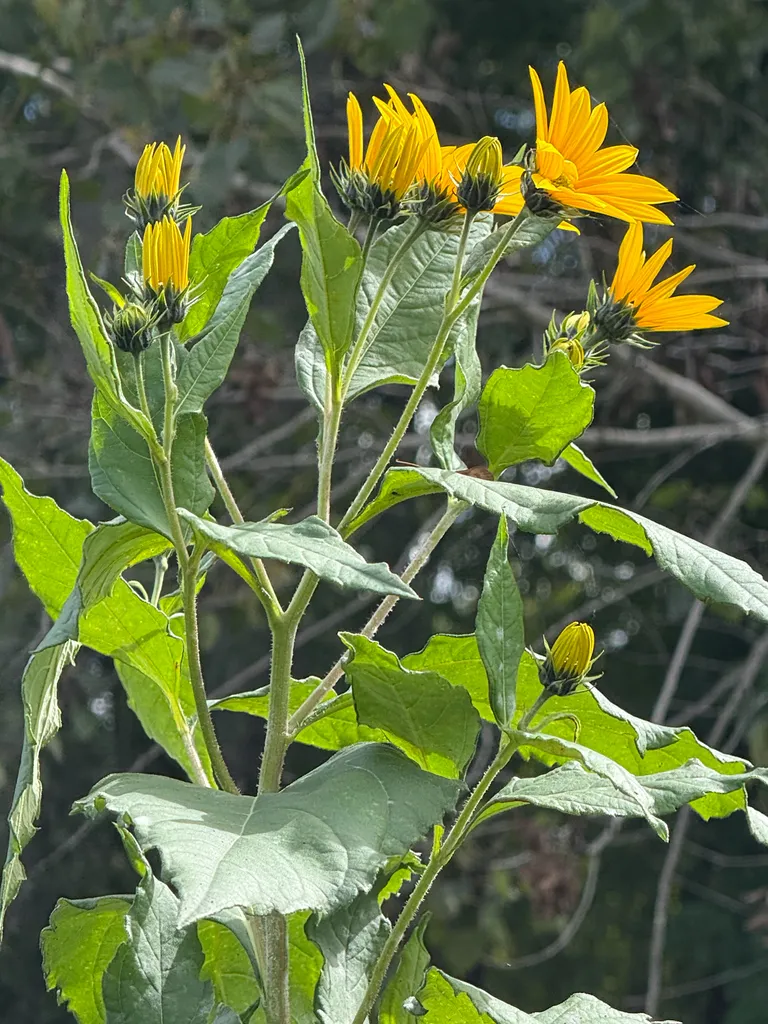
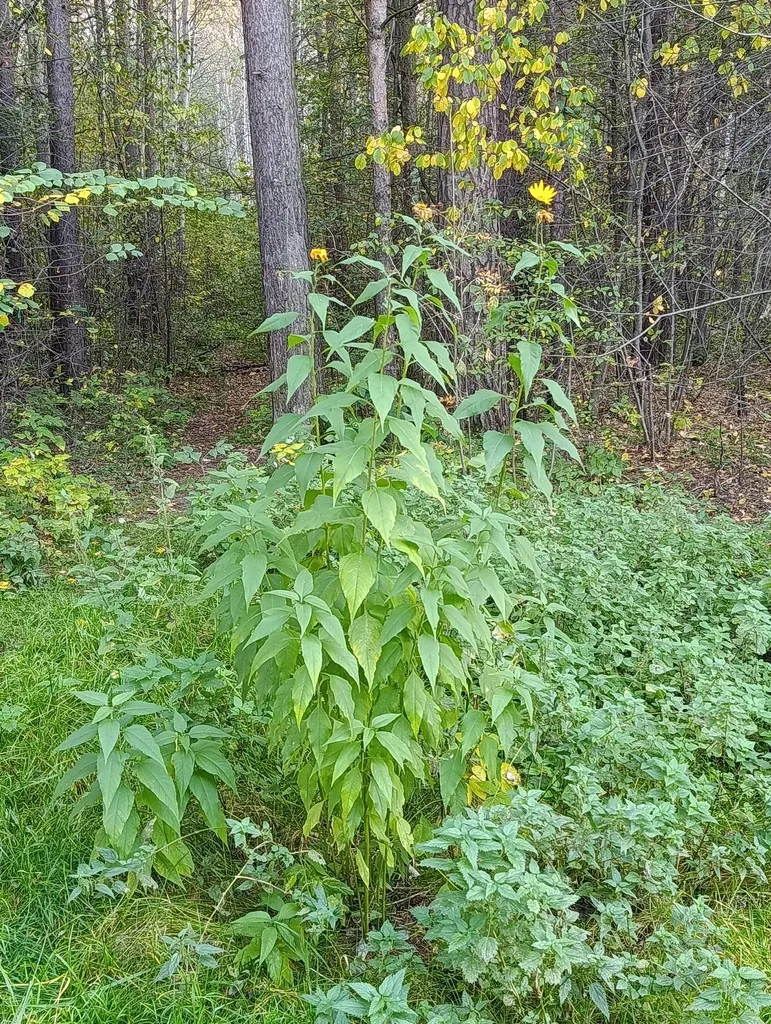
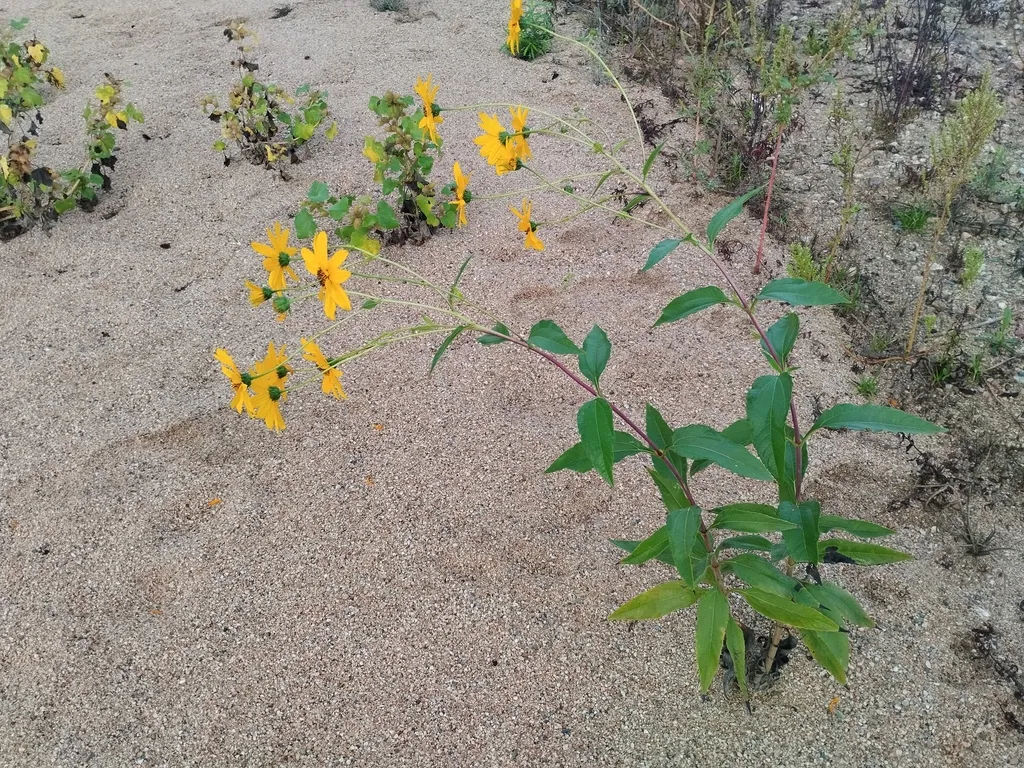
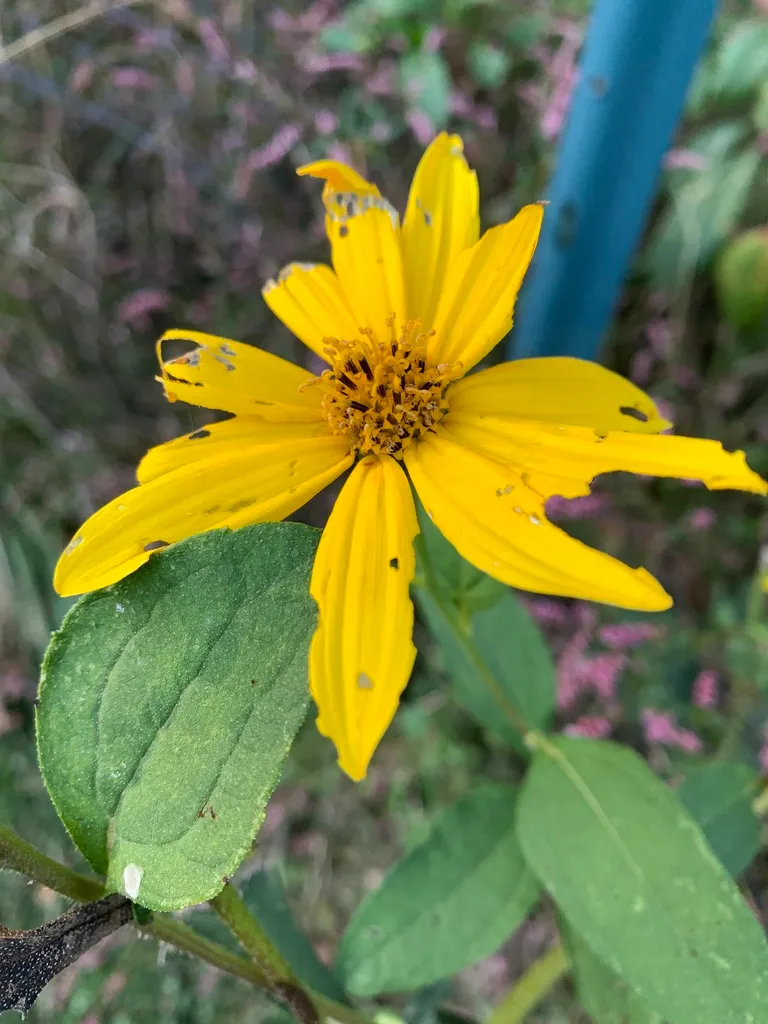
A tall, herbaceous perennial reaching 2.5m tall or more, with coarse hairy foliage and small, yellow sunflower-like flowers in summer. It is cultivated for its knobbly, elongated pale-cream or sometimes purple-tinted tubers
Scientific classification
- Species
- Jerusalem artichoke (Helianthus tuberosus)
- Genus
- Helianthus
- Family
- Asteraceae
- Order
- Asterales
- Class
- Magnoliopsida
- Phylum
- Magnoliophyta
- Information to be completed
- Toxicity
- Herbaceous Perennial
- Plant type
- 1.5-2.5 metres
- Height
- 0.5-1 metres
- Spread
- Deciduous
- Foliage
- Bushy
- Habit
- Spring · Summer · Autumn
- Season of interest
- Full sun
- Sunlight
- 15 – 25 °C
- Ideal temperature









Jerusalem artichoke pictures
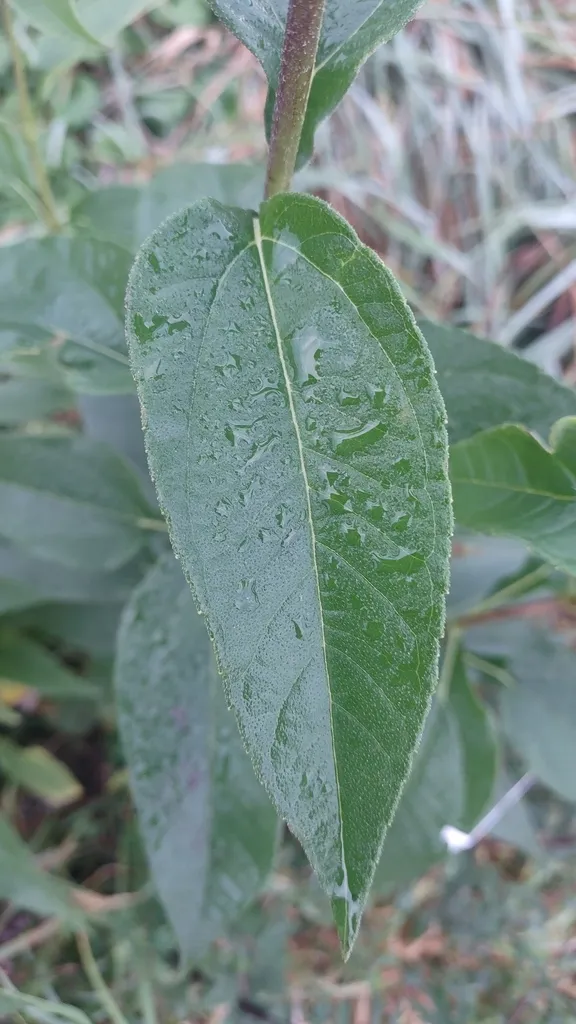
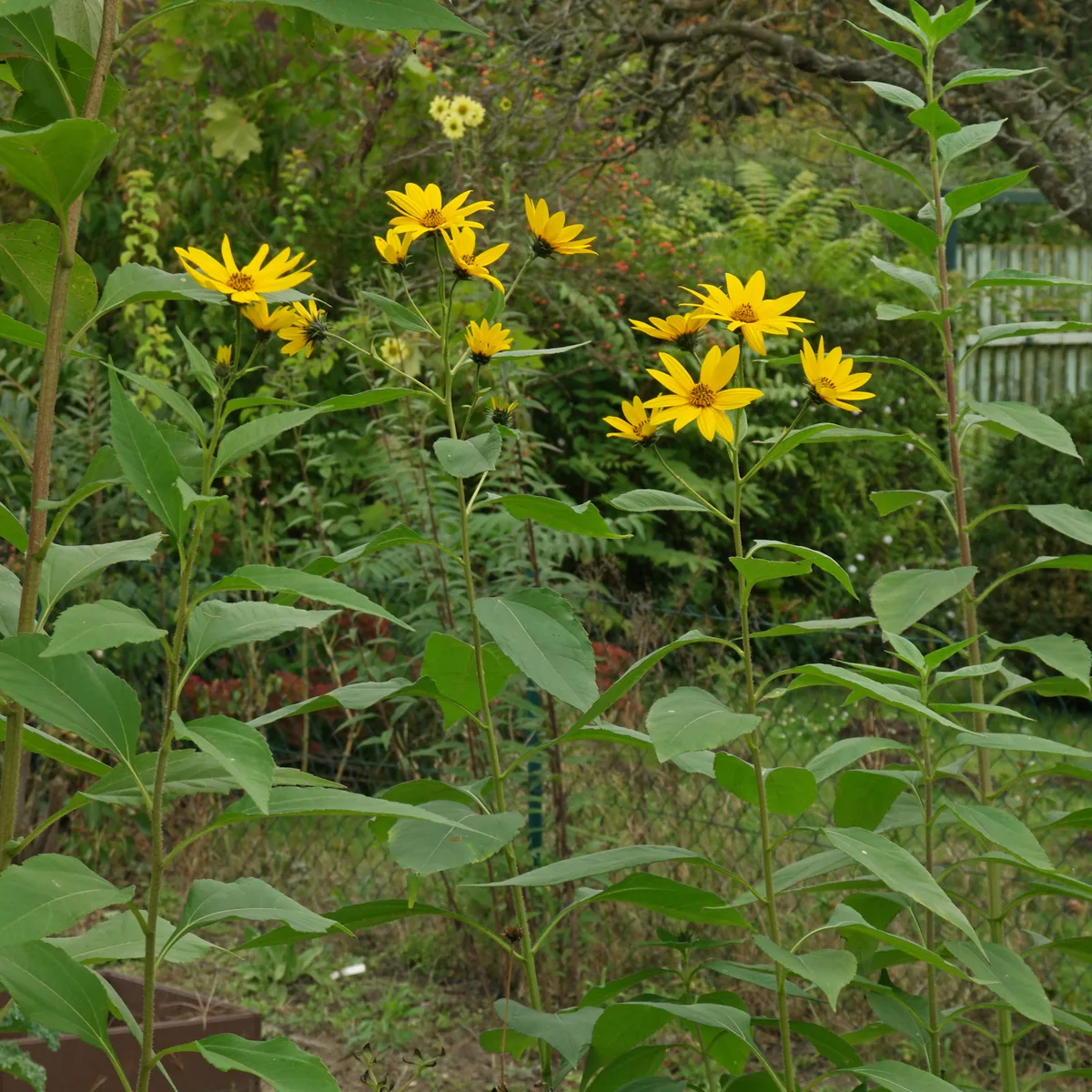
Distribution of Jerusalem artichoke
Distribution map
- Native
- Introduced
- Cultivated
Source:WCVP v16 · Royal Botanic Gardens, Kew · CC BY 3.0 · Boundaries:WGSRPD / TDWG
Jerusalem artichoke care guide
- Moderate regular watering, allowing brief slight drying between soakings
- Watering
- Full sun
- Sunlight
- 15 – 25 °C
- Ideal temperature

Watering
Moderate regular watering, allowing brief slight drying between soakings
Fertilizing
 Fertilizing
Balanced perennial feed every four weeks from spring through summer
Pruning
 Pruning
Cut back old stems after flowering as they die down for the winter
Propagation
 Propagation
Propagate by separating and replanting tubers
Growing
 Growing
Plant tubers in spring in a moderately fertile, moist but well-drained soil in full sun. Plants may need support in exposed positions. May have the potential to become a nuisance if not managed well. For more advice follow jerusalem-artichoke cultivation
Common pests and diseases
Diseases
May be susceptible to powdery mildews and sclerotinia disease
Pests
May be susceptible to snails and slugs damage when young
Explore the plant health library →




