



Planting and Growing Geranium × oxonianum f. thurstonianum 'Southcombe Star'

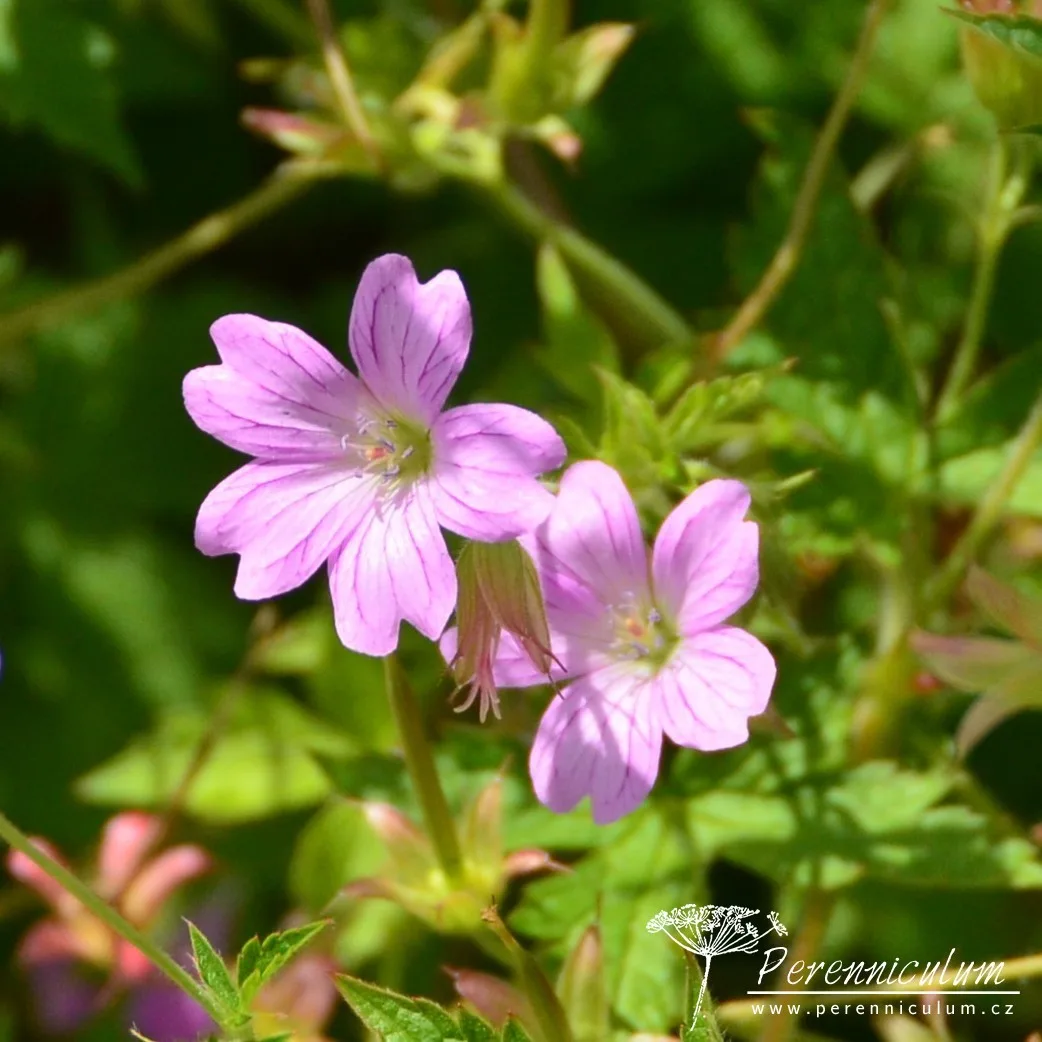
| Care difficulty | 2 / 5 |
|---|---|
| Watering schedule | Moderate watering, allow top layer dry before rewetting thoroughly |
| Sunlight requirements | Full sun · Partial shade |
| Ideal temperature | Information to be completed |
| Soil type | Chalk · Loam · Sand |
| Soil pH | Acid · Alkaline · Neutral |
| Soil moisture | Moist but well drained · Well drained |
| Fertilizing | Balanced mild fertilizer once monthly from early spring to autumn |
| Toxicity | Information to be completed |
How to Water Geranium × oxonianum f. thurstonianum 'Southcombe Star'?
Moderate watering, allow top layer dry before rewetting thoroughly
Learn more →What Are the Sunlight Requirements for Geranium × oxonianum f. thurstonianum 'Southcombe Star'?
Full sun · Partial shade
Learn more →What Soil Is Best for Geranium × oxonianum f. thurstonianum 'Southcombe Star'?
- Soil type
- Chalk · Loam · Sand
- Soil pH
- Acid · Alkaline · Neutral
What Are the Moisture Requirements for Geranium × oxonianum f. thurstonianum 'Southcombe Star'?
Moist but well drained · Well drained
Learn more →How to Fertilize Geranium × oxonianum f. thurstonianum 'Southcombe Star'?

Balanced mild fertilizer once monthly from early spring to autumn
Learn more →How to Prune Geranium × oxonianum f. thurstonianum 'Southcombe Star'?

No pruning required. Remove flowered stems and old leaves to encourage the production of fresh leaves and flowers
Learn more →How to Propagate Geranium × oxonianum f. thurstonianum 'Southcombe Star'?

Propagate by division in spring or propagate by basal cuttings in early to mid spring and root with bottom heat
Learn more →How to Plant Geranium × oxonianum f. thurstonianum 'Southcombe Star'?
Grow in moderately fertile, well-drained soil in partial shade. This particular variety will cope with full shade
Learn more →Common Pests & Diseases

Diseases
May be susceptible to downy mildew and powdery mildews
Pests
May be susceptible to vine weevil, capsid bug and geranium sawfly
Explore the plant health library →