
white bird of paradise
Also known as: Information to be completed
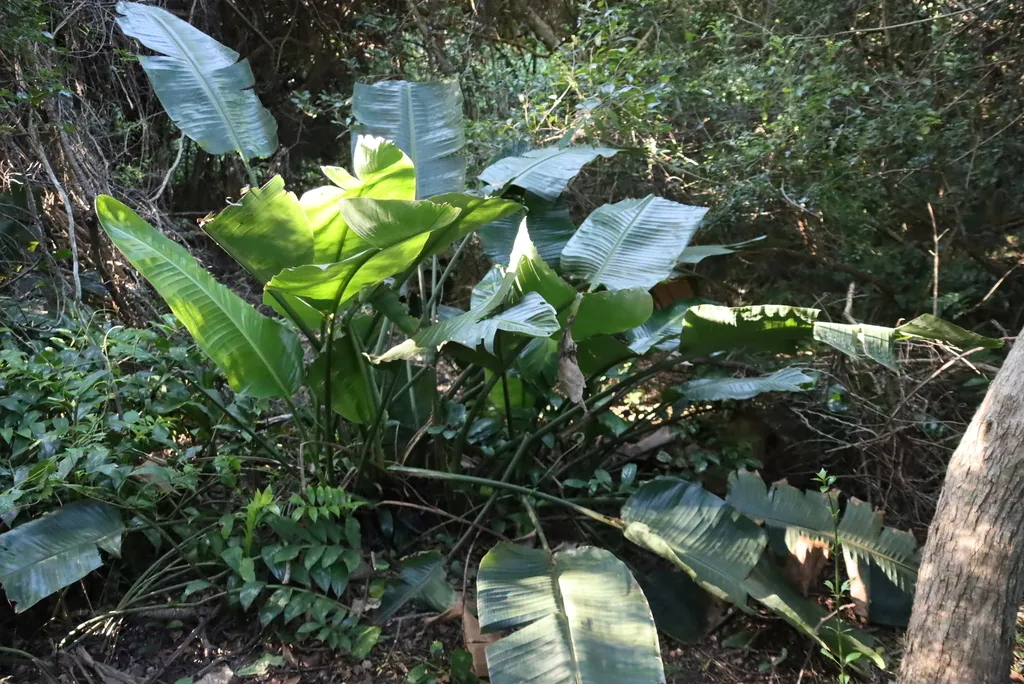
S. nicolai is a massive, evergreen perennial, with oblong, grey-green leaf blades up to 1.5m long on 2m long leaf stalks. In spring it produces blue and white flowers, opening in succession, from blackish, beak-like spathes
Scientific classification
- Species
- white bird of paradise (Strelitzia nicolai)
- Genus
- Strelitzia
- Family
- Strelitziaceae
- Order
- Zingiberales
- Class
- Liliopsida
- Phylum
- Magnoliophyta
- Information to be completed
- Toxicity
- Conservatory Greenhouse · Herbaceous Perennial
- Plant type
- 8-12 metres
- Height
- 4-8 metres
- Spread
- Evergreen
- Foliage
- Clump forming
- Habit
- Spring · Summer · Autumn · Winter
- Season of interest
- Full sun · Partial shade
- Sunlight
- 15 – 25 °C
- Ideal temperature









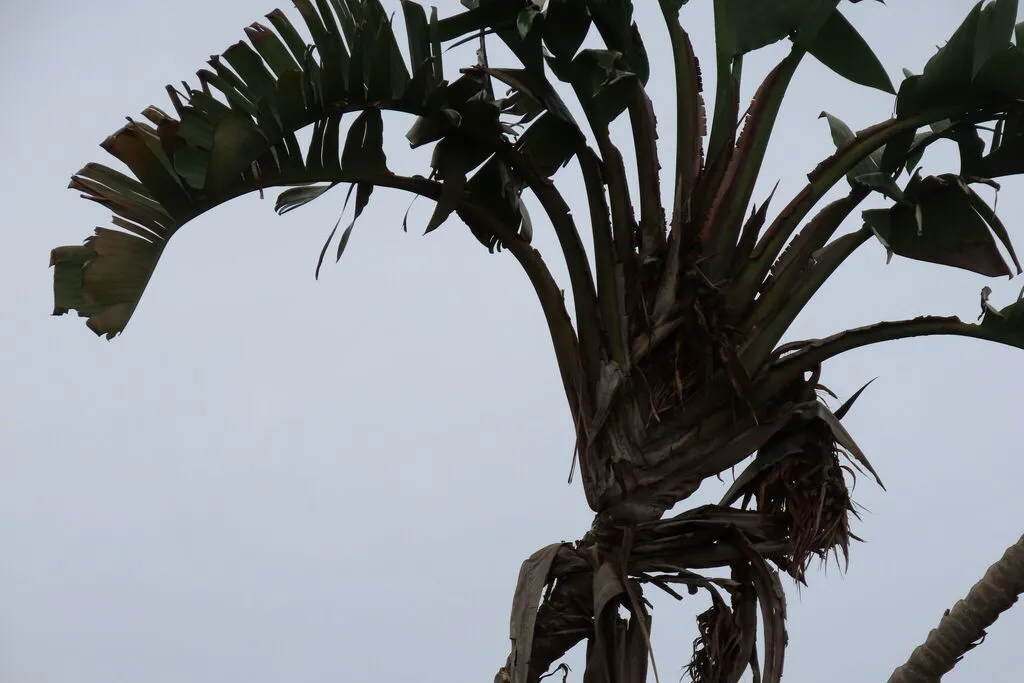
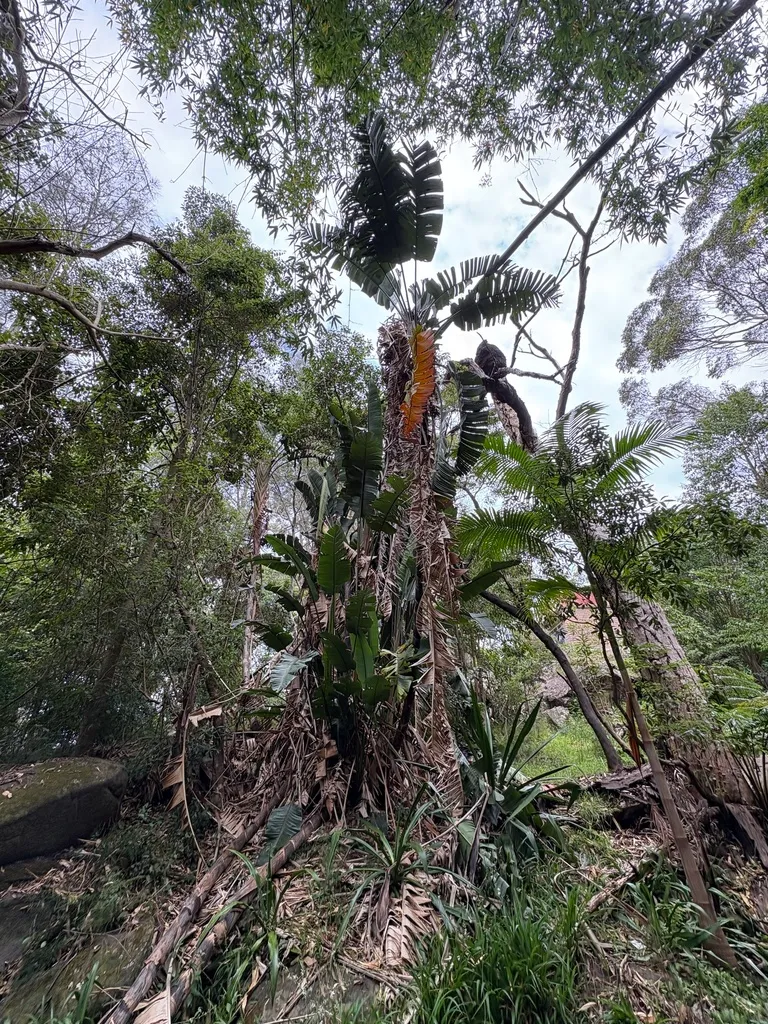
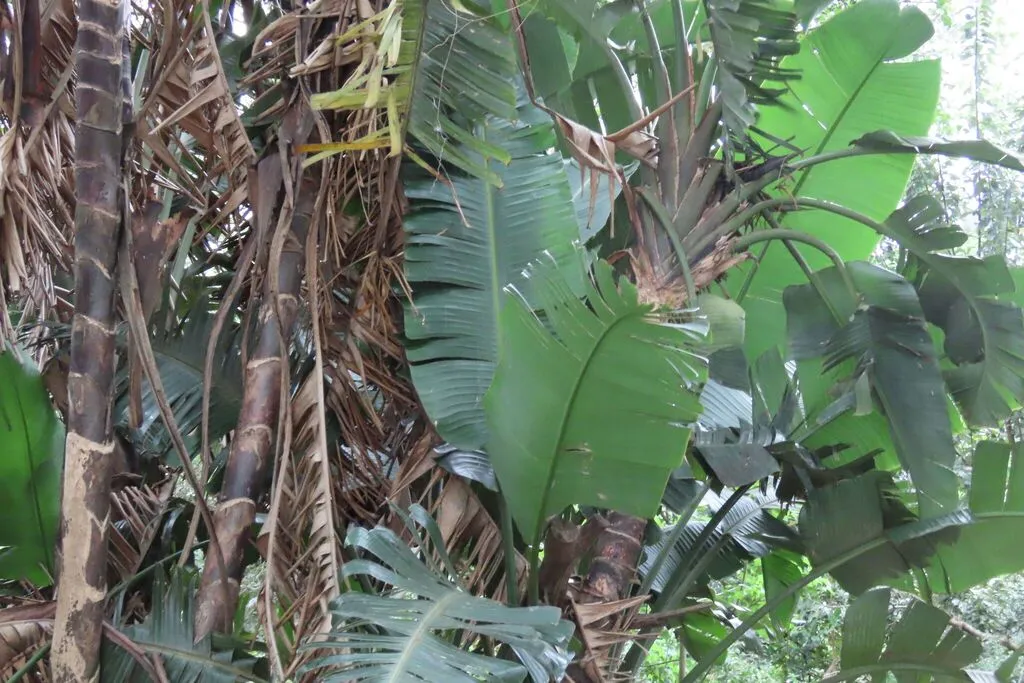
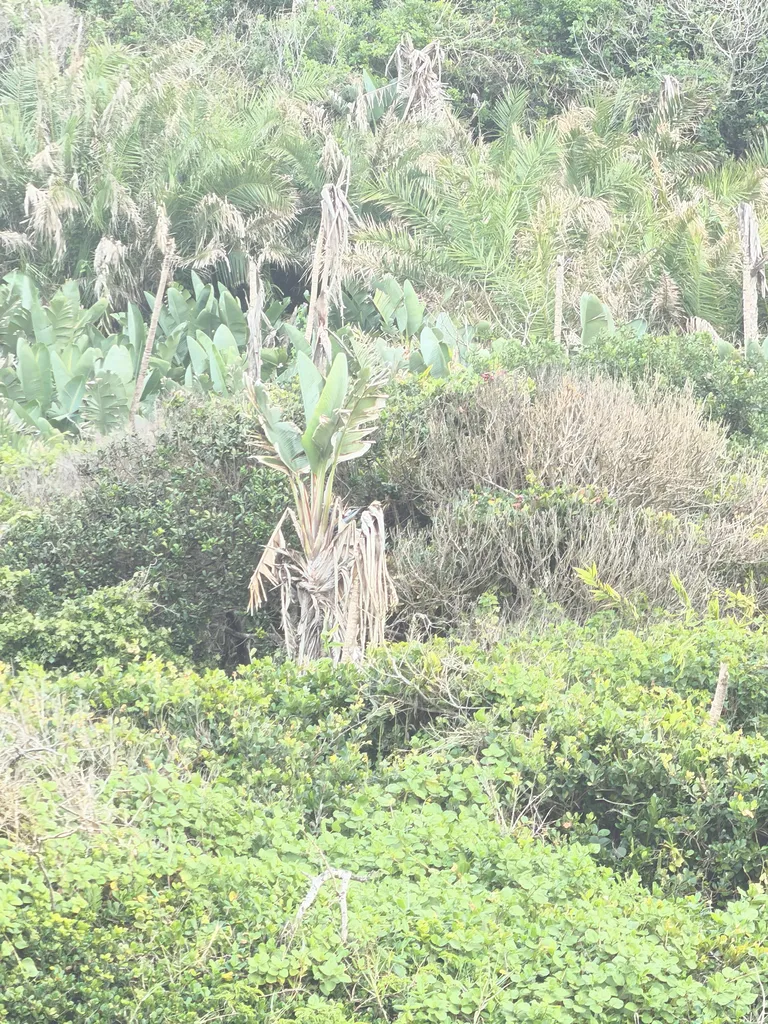
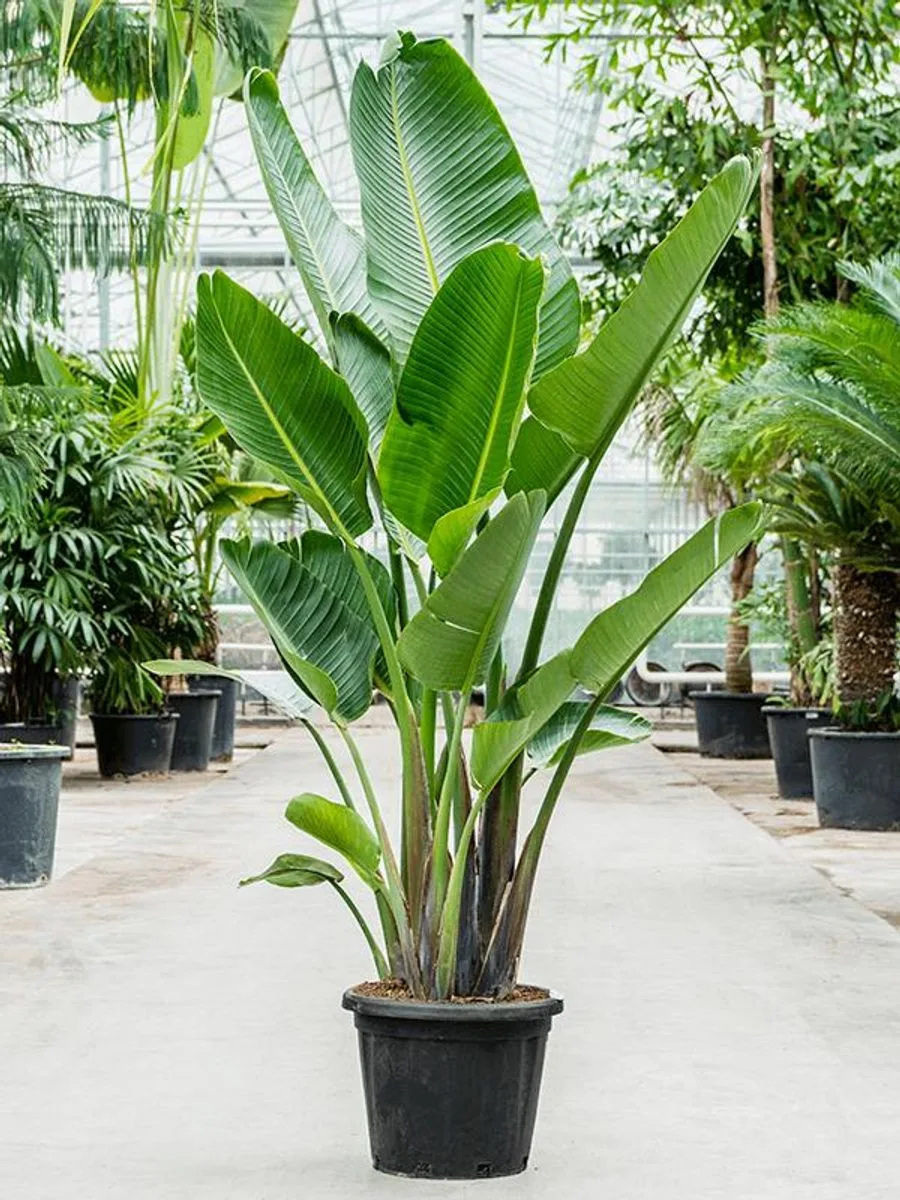
white bird of paradise pictures
Distribution of white bird of paradise
Distribution map
- Native
- Introduced
- Cultivated
Source:WCVP v16 · Royal Botanic Gardens, Kew · CC BY 3.0 · Boundaries:WGSRPD / TDWG
white bird of paradise care guide
- Keep soil slightly moist, avoid overwatering
- Watering
- Full sun · Partial shade
- Sunlight
- 15 – 25 °C
- Ideal temperature

Watering
Keep soil slightly moist, avoid overwatering
Fertilizing
 Fertilizing
Monthly during growing season
Pruning
 Pruning
No pruning required
Propagation
 Propagation
Propagate by seed sown at 18-21°C in spring or division of rooted suckers in spring
Growing
 Growing
Under glass grow in loam-based compost, in a large container or greenhouse bed, in full light with shade from hot sun. During growth, water freely and apply a balanced liquid fertiliser monthly. Top dress annually and repot every second year. Water sparingly in winter and ventilate when temperatures exceed 20°C. Can be grown outdoors in a frost-free, moist but well-drained, fertile soil with protection from strong winds. See strelitzia cultivation
Common pests and diseases
Diseases
Generally disease free
Pests
May be attacked by scale insects, glasshouse red spider mite and mealybugs
Explore the plant health library →




