



Planting and Growing Newman's coneflower

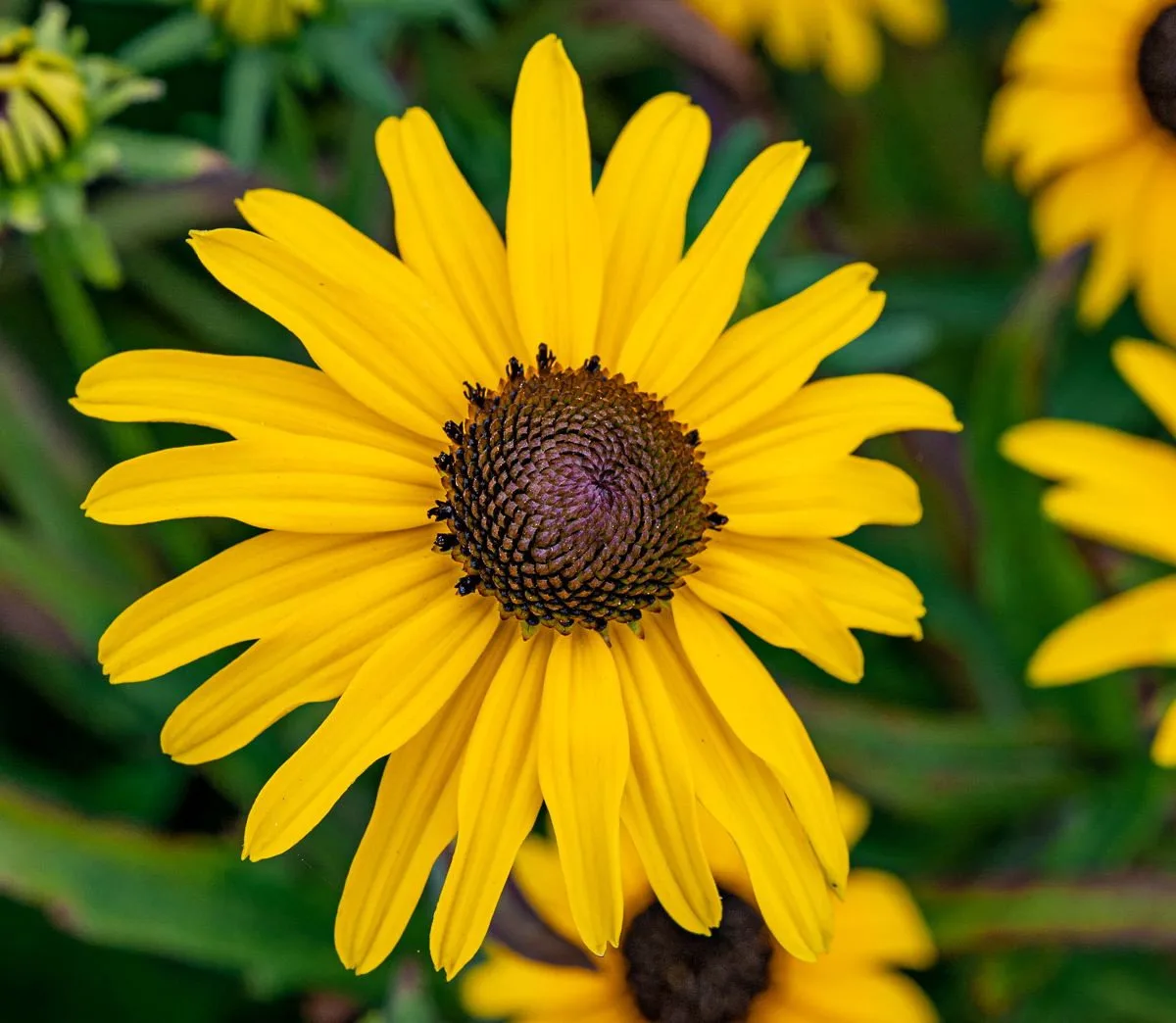
| Care difficulty | 2 / 5 |
|---|---|
| Watering schedule | Water regularly, keeping the soil moist but not waterlogged; water more in dry spells. |
| Sunlight requirements | Full sun · Partial shade |
| Ideal temperature | Information to be completed |
| Soil type | Clay · Loam |
| Soil pH | Acid · Alkaline · Neutral |
| Soil moisture | Moist but well drained |
| Fertilizing | Apply a balanced fertilizer monthly during the growing season. |
| Toxicity | Information to be completed |
How to Water Newman's coneflower?
Water regularly, keeping the soil moist but not waterlogged; water more in dry spells.
Learn more →What Are the Sunlight Requirements for Newman's coneflower?
Full sun · Partial shade
Learn more →What Soil Is Best for Newman's coneflower?
- Soil type
- Clay · Loam
- Soil pH
- Acid · Alkaline · Neutral
What Are the Moisture Requirements for Newman's coneflower?
Moist but well drained
Learn more →How to Fertilize Newman's coneflower?

Apply a balanced fertilizer monthly during the growing season.
Learn more →How to Prune Newman's coneflower?

Deadhead regularly. Can be cut back in autumn, though stems and seedheads persist well and can provide structure in winter
Learn more →How to Propagate Newman's coneflower?

Propagate by seed, surface-sown in early spring in containers in a cold frame, or by division of established clumps in autumn or spring
Learn more →How to Plant Newman's coneflower?
Grow in humus rich, moist but well-drained soil in full sun or partial shade. Able to tolerate drought once established. See rudbeckia cultivation for further advice
Learn more →Common Pests & Diseases

Diseases
Generally disease-free
Pests
May be susceptible to aphids and slugs
Explore the plant health library →